
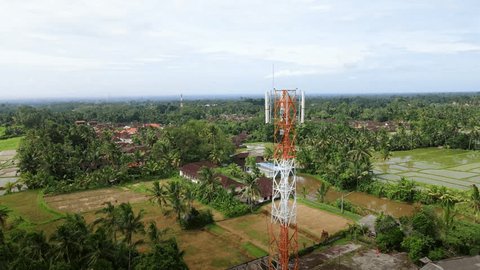
On May 18, 2024, the Indonesian government announced an expansion of its satellite internet initiative to cover rural islands, aiming to boost connectivity and narrow the nation’s digital divide. The move is framed as a core component of the state’s broader strategy to spur economic growth and development through improved digital access.
Budi Arie Setiadi, Minister of Communication and Information Technology, emphasized that the program is vital for the country’s future. He noted that the effort brings together the government and private sector partners, specifically PT Telekomunikasi Indonesia and PT Indosat, to deliver internet where traditional fiber‑optic cables cannot reach.
The technical approach blends satellite and cellular technologies to provide service in underserved regions. Iskandar Simamora, an analyst at PT Bank Mandiri, highlighted the potential impact, stating: “With internet access, people in rural areas will be able to access information, education, and economic opportunities that were previously unavailable to them.”
Officials outline several advantages of the expanded service. Residents in remote locales will gain access to information and educational resources, which can enhance their economic prospects. Additionally, rural businesses will be able to link with customers and suppliers, a development expected to stimulate local economic activity. A World Bank assessment cited in the announcement suggests that raising internet penetration across Indonesia could contribute as much as 3.5 percent to the country’s gross domestic product.
Djamalul Effendi, Director of PT Telkom’s Satellite Division, reinforced the program’s strategic importance, remarking: “the satellite internet program is a key part of our strategy to promote economic growth and development in rural areas.”
Despite the promise, authorities acknowledge obstacles. The high cost of satellite internet access poses affordability challenges for many rural households, and the limited availability of satellite bandwidth can constrain the speed of service. The Ministry of Communication and Information Technology indicated that it is addressing these issues through subsidies and investment in newer satellite technology.
Looking ahead, the government intends to extend the initiative to even more remote areas. Budi Arie Setiadi set a target of providing internet access to at least 90 percent of the population by 2025. To meet this goal, state agencies are collaborating with private firms to fund additional satellite infrastructure and to devise more affordable, accessible service options.
The World Bank also commented on the broader implications, noting that increasing internet access in Indonesia has the potential to greatly improve the lives of people living in rural areas and to promote economic growth and development.
Observers view the May 2024 expansion as a significant step forward for the archipelago. With continued government support in the form of subsidies and technological investment, the satellite internet program is expected to grow, bringing more residents the information and opportunities needed to improve their livelihoods.




