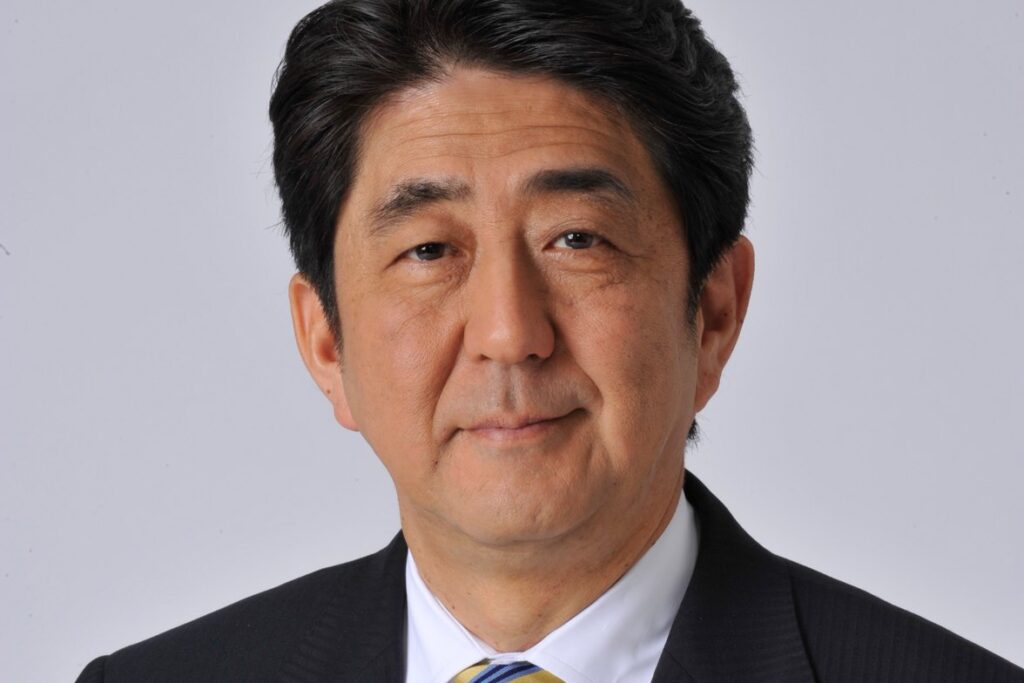
Shinzo Abe was born in Tokyo on 21 September 1954 into a political family, which is an advantage that in Japan can be hard to separate from a career. His father, Shintaro Abe, was a Liberal Democratic Party figure. His maternal grandfather, Nobusuke Kishi, had been prime minister. He took a degree at Seikei University, spent time at the University of Southern California, worked in industry and held party posts, then won a seat in the House of Representatives in 1993.
The youngest of the post-war premiers
The climb was steady. Abe served as LDP secretary-general from 2003 to 2004 and as Chief Cabinet Secretary under Junichiro Koizumi from 2005 to 2006. When Koizumi left, Abe replaced him. At 52, he was the youngest post-war prime minister and the first born after the Second World War.
Notably, his views drew criticism early. A member of the ultranationalist group Nippon Kaigi, he downplayed Japanese wartime atrocities in textbooks, denied that the government coerced women into wartime brothels, and wanted Article 9 of the Constitution revised. In 2007 he started the Quadrilateral Security Dialogue with the United States, Australia and India, a grouping meant to resist China’s rise. That same year he resigned, pointing to his government’s unpopularity and his poor health.
Return and record
He came back in 2012, winning the LDP presidency again and leading the party to a landslide in that year’s election. No former prime minister had returned to office since Shigeru Yoshida in 1948. Abe tried to lift Japan out of stagnation with “Abenomics,” and the results were mixed. He is credited with reviving the Trans-Pacific Partnership through a new agreement in 2018. In 2015 he pushed through the Legislation for Peace and Security, allowing the Self-Defense Forces to deploy overseas under strict conditions. Students Emergency Action for Liberal Democracy was among the groups that protested it.
Election wins in 2014 and 2017 made him Japan’s longest-serving prime minister, nearly nine years in total. In 2020 he stepped down a second time, citing a relapse of his illness, and Yoshihide Suga succeeded him.
Nara, 2022
In 2022, Abe was shot dead in Nara while giving a campaign speech ahead of the upper house elections. His killer, Tetsuya Yamagami, confessed that he was motivated by Abe’s ties with the Unification Church. It was the first assassination of a former Japanese prime minister since 1936.
Judgments of him still divide. Supporters credit him with strengthening Japan’s security and international standing. Opponents point to nationalistic policies and historical negationism, which they say threaten Japanese pacifism and harm relations with China and South Korea.
Sources
Photo: Prime Minister of Japan Official (CC BY 4.0)