TOKYO, November 23, 2026 — A weak yen, hovering near ¥160 against the US dollar, is reshaping travel plans and household spending across Japan, prompting travelers to seek value-for-money destinations abroad.
The Historical Context of the Yen
The yen, Japan’s official currency and the third-most traded in the world, has a history rooted in the New Currency Act of 1871, which established it as a modern currency defined in gold and silver. Following the end of the Bretton Woods fixed system in 1973, the yen has operated as a floating currency, with the Ministry of Finance and the Bank of Japan intervening in markets during periods of excessive exchange rate movements.
Economic Pressures and Household Impact
This currency weakness is a double-edged sword. While the depreciation has provided a significant profit boost to major Japanese automakers like Toyota and Suzuki, it poses challenges for households. Japan’s inflation rate remains above the Bank of Japan’s 2% target, creating caution among consumers. Bank of Japan Governor Kazuo Ueda has warned that a depreciating yen and rising oil prices could compress household incomes and curtail consumption.
Regional Travel Shifts
The exchange rate has influenced regional travel choices, with Japanese travelers seeking destinations where their yen retains greater purchasing power. For those planning trips abroad, modern tools and strategies can help find value-for-money areas in Asia and stay within budget. The account indicates that travelers can utilize these resources to enjoy international travel even with the current economic pressures.
According to state and international reports, the yen’s depreciation makes Japan an attractive destination for overseas visitors, while high fuel prices and expensive foreign currency may persuade more Japanese tourists to holiday at home or consider destinations where their currency goes further.
Practical Strategies for Travelers
Officials said that travelers can find value by focusing on specific destinations within Asia and utilizing budgeting tools unique to the modern era. The account indicates that by preparing step-by-step and leveraging these resources, travelers can enjoy their trips efficiently and wisely. The key is to organize travel goals, choose the perfect destination, and book air tickets to minimize the impact of the weak yen.
The New Zealand dollar, also very weak against the US dollar, has fallen to its lowest level in 17 years. Economists noted that while the weak currency is a “twin-edged sword,” it can provide a “double boost for parts of the tourism and hospitality sector over summer” as it makes the country a bargain for overseas visitors.
For those still planning a trip abroad, analysts pointed to Japan, where the yen is also very weak, and to the Cook Islands and Niue, which use the New Zealand dollar.
Sources
- A Must-Read for Those Who Want to Travel Abroad! A Summary of Recommended Destinations You Can Enjoy Even with a Weak Yen|キジハタ
- Japanese yen
- Toyota, Suzuki rely on weak yen to keep profits growing
- Japan Week Ahead: Rising Costs, Weak Yen Hurting Households but BOJ Board Seen Leaning Toward Another Rate Hike in December
- BOJ's Ueda warns rising oil prices, weak yen may hit Japan's economy
- New Zealand dollar falls to a 17-year low against the US dollar as Wall Street slides – NEWS WIRE
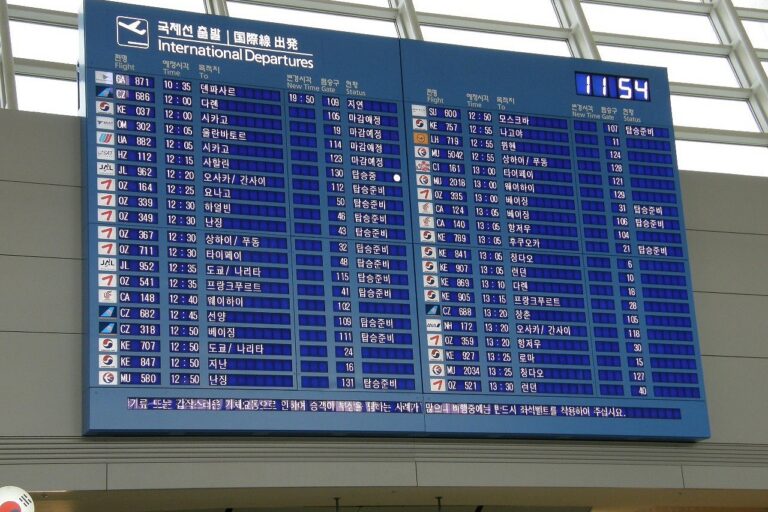
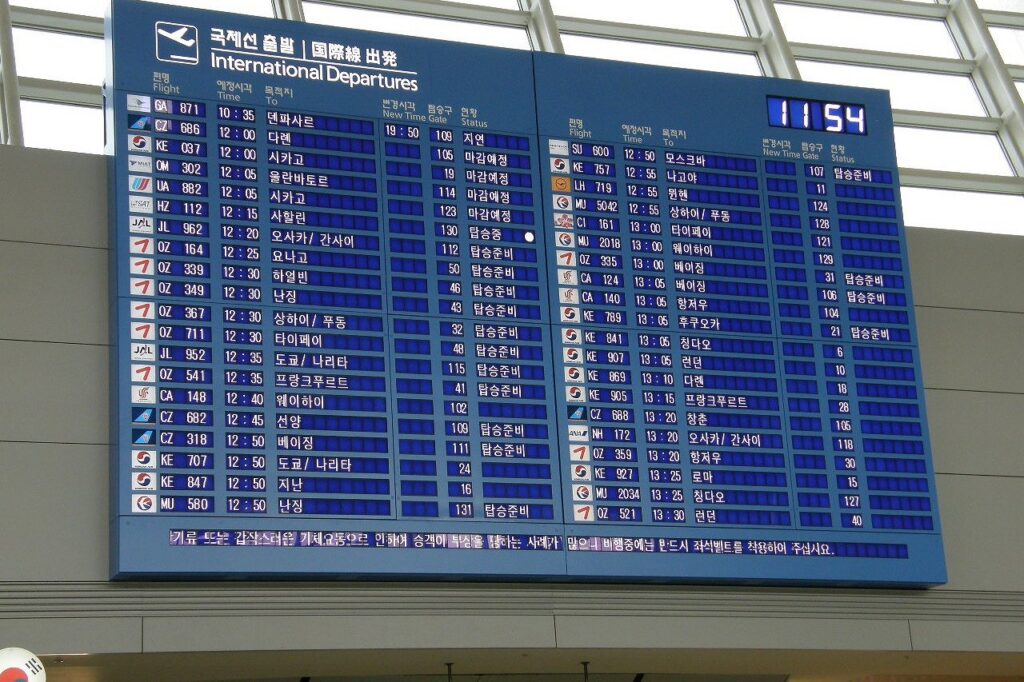
Photo: 陳炬燵 / wikimedia (CC BY-SA 3.0)