OKUNOSHIMA, November 21, 2026 — The island of Okunoshima, once a secret Japanese military facility for producing poison gas, now attracts 200,000 yearly visitors drawn to its population of hundreds of rabbits, a balance achieved by preserving its dark history alongside its ecological challenges.
A Secret Past on a Small Island
Okunoshima’s identity is defined by a stark duality. From 1927 to 1929, the Imperial Japanese Army built a secret poison gas factory on the small island, producing over six kilotons of mustard gas and tear gas. Despite being a signatory to the 1925 Geneva Protocol, which banned the use of chemical weapons, Japan developed them in secret. The island was removed from maps to maintain this secrecy, and workers, unaware of the toxins they were handling, suffered from related illnesses. After World War II, Allied Occupation Forces disposed of the remaining gas by dumping, burning, or burying it, and the island’s chemical warfare history remained classified for decades.
The Rise of “Rabbit Island”
The island’s transformation into a haven for rabbits began in the early 1970s. A local elementary school released a small number of rabbits on Okunoshima to help revive it, and with no natural predators, the population grew, now estimated at around 500. These rabbits are not genetically related to the approximately 200 rabbits that were used as test subjects at the former factory and were likely euthanized when it was demolished. This accidental introduction, coupled with the island’s picturesque setting, led to its nickname, “Usagi Shima” (Rabbit Island), and its rise as a tourist destination.
Preserving the Dark History
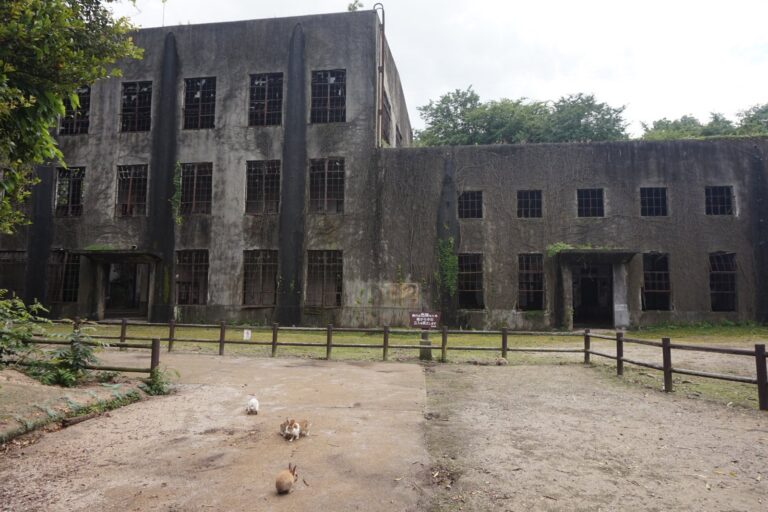
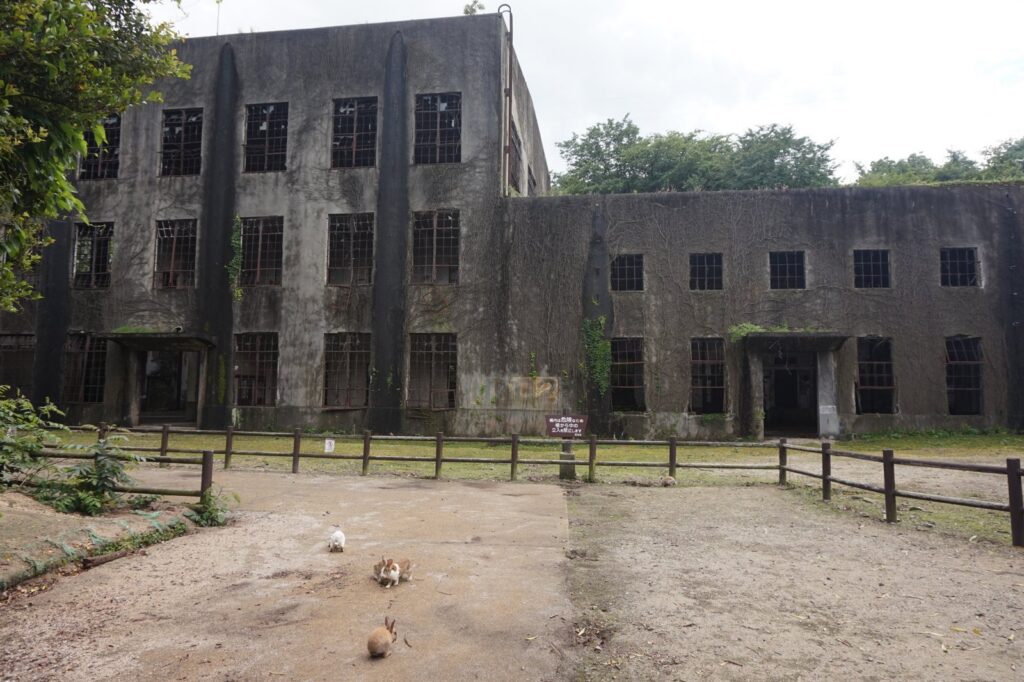
As tourism grew, so did the effort to preserve the island’s somber past. The Okunoshima Poison Gas Museum opened in 1988 to “alert as many people as possible to the dreadful truths about poison gas,” according to its founding principle. The museum, which includes artifacts donated by the families of affected workers, details the construction of the plant, the harsh working conditions, and the effects of chemical weapons on the human body. Museum director Kazuhito Takahashi explained the secrecy was maintained to avoid international sanctions against Japan, which was heavily reliant on imports at the time. Tour guide Masayuki Yamauchi, 82, hopes visitors learn this history to “promote peace in the world”. Ruins of the old forts and gas factories still dot the landscape, though entry is prohibited due to their dangerous condition.
Tourism Boom and Ecological Pressures
Okunoshima’s unique appeal has drawn record numbers of visitors. Nearly 200,000 people visited in 2024, and around 200,000 visited in 2025, according to the local tourism association. This influx of tourists, however, has created new challenges. A July 2026 study by associate professor Asami Ogura found that wild boars are being lured by tourist food and have been observed attacking the rabbit population. The heavy grazing by the rabbits has also stripped the island of low-lying vegetation, leading to food shortages when tourist numbers drop. Yamauchi warned that “a growing rabbit population does not mean the animals are happy” and urged visitors to avoid “selfishly feeding them”.
The island remains accessible by ferry from Tadanoumi and Omishima, part of the Inland Sea National Park system, continuing to draw visitors to its unique and complex story.
Sources
Photo: Addy Cameron-Huff (CC BY 2.0)