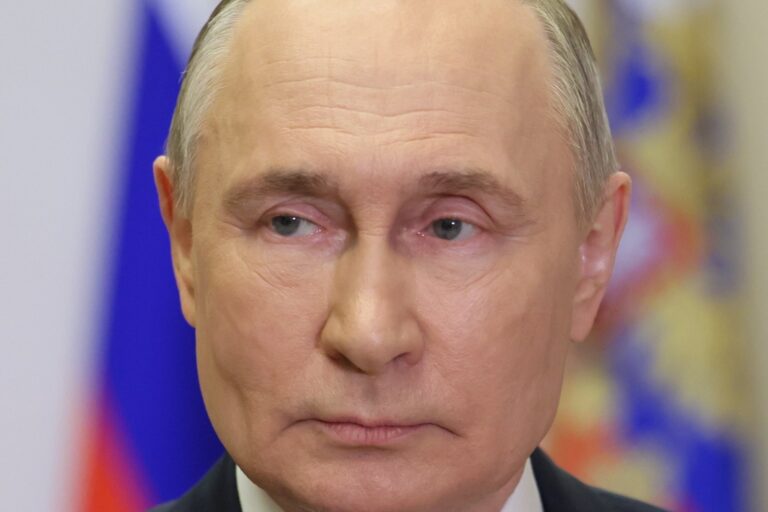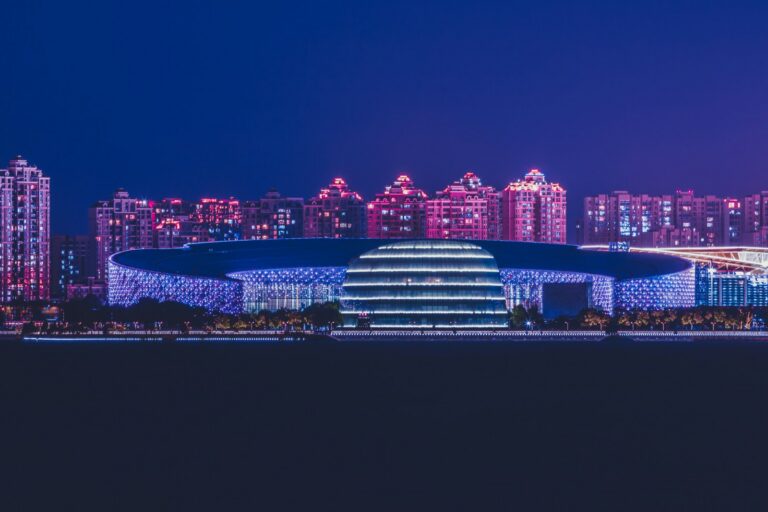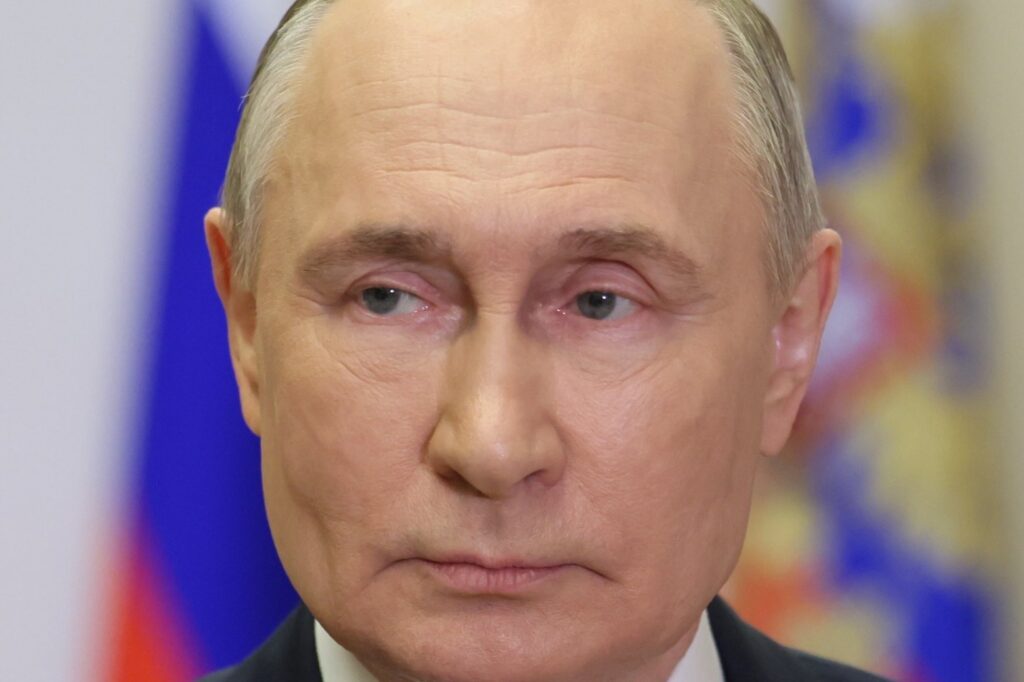
SHENZHEN, November 18, 2026 — Russian President Vladimir Putin arrived in this southern Chinese tech hub for the APEC summit after dispatching nuclear-capable bombers on a provocative transit through Northeast Asian airspace. The deployment of Tu-95MS aircraft, which violated Japanese territorial airspace and crossed Taiwan’s Air Defense Identification Zone before landing in Vietnam, frames the historic three-way summit with Donald Trump and Xi Jinping with an unmistakable display of strategic reach.
The Bomber Transit
Five Tu-95MS bombers departed the Ukrainka base in Russia’s Far East on November 16, according to flight tracking analysis cited by The War Zone. Three aircraft conducted an 11-hour training mission over the Sea of Japan, supported by Il-78M tankers and an A-50U airborne early warning plane. The remaining two continued south, setting off a chain of air defense alerts.
Japan’s Ministry of Defense confirmed two separate violations of its territorial airspace northwest of Okinoshima in Fukuoka Prefecture early on November 17. The first aircraft entered at 4:07 a.m. local time and departed three minutes later; a second followed at 4:09 a.m., remaining for three minutes. The Japan Air Self-Defense Force scrambled fighters to issue warnings, and Tokyo lodged a strong protest with Moscow. After transiting the Tsushima Strait, the bombers flew between Yonaguni Island and Taiwan, entering Taiwan’s ADIZ from the northeast before exiting south of Taitung. Taiwan’s Ministry of National Defense said its forces monitored the activity and responded accordingly. South Korea’s Joint Chiefs of Staff reported the aircraft also entered the Korea Air Defense Identification Zone, though without violating territorial airspace.
Arrival in Vietnam
The two Tu-95MS bombers landed in Vietnam for what The War Zone described as a rare deployment. The visit underscores Moscow’s deepening defense ties with Hanoi, a relationship rooted in the Soviet era but revitalized as Vietnam navigates its own maritime disputes with Beijing. Against this backdrop, the bomber landing reads as a signal to multiple capitals simultaneously: a reminder of Russia’s ability to project power deep into Southeast Asia, and a diplomatic nod to a partner that has resisted alignment with any single bloc.
The Shenzhen Summit
Putin met Xi Jinping on the sidelines of the APEC summit on November 17, hours after the airspace incidents. Xi urged China and Russia to “lead and advance the trend towards a multipolar world,” while Putin criticized Western sanctions, according to reports from the meeting. The White House has confirmed a historic trilateral summit for November 19, the first of its kind, with nuclear disarmament and the war in Iran topping the agenda.
Kremlin aide Yuri Ushakov told Russian state media that Putin and Trump will meet “looking into each other’s eyes” multiple times during the summit, regardless of format. “The meeting will happen, the meeting will happen, and I believe our president and the president of the United States will talk several times during the APEC meeting,” Ushakov said. Trump’s Asia trip began in the Philippines on November 17, where he met President Ferdinand Marcos Jr. and attended the ASEAN summit before proceeding to China.
A Leader’s Long Shadow
Putin has served as Russia’s de facto leader since 1999, assuming the presidency in 2000, stepping aside for a term as prime minister under Dmitry Medvedev, and returning to the Kremlin in 2012. Constitutional amendments signed in 2021 allow him to remain in power until 2036. His tenure has been defined by the reassertion of Russian military power — from Chechnya and Georgia to Syria and Ukraine — and by a consistent doctrine of using strategic assets to shape the diplomatic environment before high-stakes negotiations.
What the Signaling Achieves
The bomber flight achieves several objectives at once. It tests the responsiveness of Japanese and Taiwanese air defenses, gathering electronic intelligence on scramble times and radar coverage. It demonstrates to Vietnam — and to Beijing — that Russia retains the logistical reach to operate heavy bombers across the region. And it arrives in Shenzhen as a calling card: a reminder that Moscow’s nuclear triad is not an abstract deterrent but an operational reality that can be positioned at the periphery of any summit. In the corridors of the APEC venue, the wider picture is not merely nuclear disarmament or the Iran war, but the architecture of a multipolar order that all three leaders claim to seek, each on their own terms.
Sources
- Vladimir Putin
- Trump Arrives In China—Xi Greets Him On Tarmac Ahead Of Three-Way Summit With Putin (Photos)
- Ukraine releases video showing damage to Putin's prized bridge following 'unprecedented operation' in Crimea
- Trump arrives in Philippines to kick off Asia trip
- Russian Tu-95 Bombers Arrive In Vietnam After Flurry Of Northeast Asia Air Alerts
- In a surprise move, Xi greets Trump as he lands in China
Photo: Пресс-служба Президента РФ (CC BY 4.0)