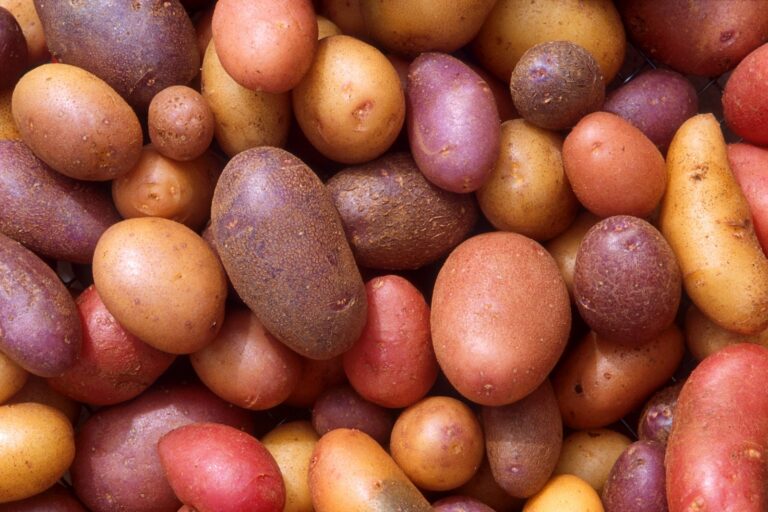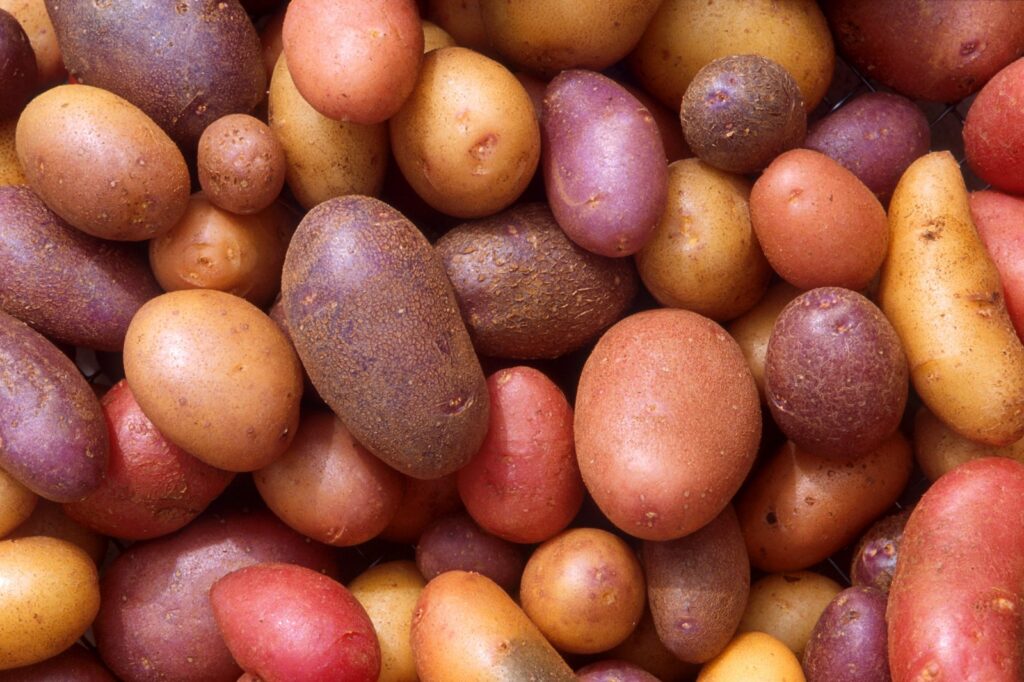
TOKYO, November 19, 2026 — Japan is moving towards lifting a 76-year-old ban on imported American potatoes under pressure from President Donald Trump. The shift would place fresh US potatoes on restaurant menus and supermarket shelves for the first time since 1950.
A Phytosanitary Shield Since 1950
Japan has maintained a ban on fresh US potato imports since 1950, citing phytosanitary concerns. The prohibition spans 76 years, making it one of the longest-standing agricultural trade barriers between the two allies. For all the noise about trade deficits and tariffs, the salient point for Tokyo has long been the protection of a domestic crop that sits alongside rice as one of the few homegrown staples in a country that imports more than 60% of its total food supply.
The 2006 Compromise
The ban was partially lifted in 2006, allowing US potatoes solely for crisp production. The vegetables must be transported in sealed containers and cooked at high temperatures to prevent the spread of pests and diseases. Japanese consumers ate 3.5 million tons of potatoes in 2024, according to the agriculture ministry, among them 1.2 million tons of fresh imports used to make crisps. A full lifting would go considerably further, opening the door to fresh table stock.
Hokkaido on the Front Line
Hokkaido produces approximately 80% of Japan’s domestic potatoes. The island’s cool climate proved suited to the tuber after Dutch traders introduced it in 1598; by the mid-1800s it had become a nutritious alternative to rice, which struggled in the northern latitudes. Today the country grows more than 90 varieties. The best-known, Danshaku (Irish Cobbler), is prized for its high starch content and fluffy flesh — ideal for butter-laden baked potatoes or soaking up meat juices in nikujaga stew.
“We have repeatedly and unequivocally stated our opposition to imports,” said Toshihide Numasawa, an employee of the Japan Agriculture group in Hokkaido. He cited the “risk of pests and diseases entering the country and damage to Hokkaido’s production areas.” Farmers fear the introduction of the Colorado potato beetle and potato cyst nematode via fresh imports. Numasawa noted that Hokkaido farmers were already being buffeted by homegrown pest outbreaks, global heating and rural depopulation.
Trade Pressure and Food Security
Donald Trump is pressing Japan to lift the ban as part of broader trade negotiations. The demand creates an early headache for Japan’s new agriculture minister, Arata Takebe, whose constituency is located in Hokkaido. Potatoes originated in the Andes and were introduced to Europe in the 16th century; China and India now lead global production as of 2023, with rapid 21st-century expansion in Asia. Over 5,000 varieties exist following centuries of selective breeding. For Japan, the tuber remains a strategic crop: one of the few staples it can call its own in a calorie supply heavily dependent on the outside world.
Sources
- Potato
- A potato war has been simmering for decades between the US and Japan. It’s about to reach boiling point
- I Tried Mashed Potatoes From KFC, Popeyes & Jollibee—There's Only One I'd Order Again
- I Tried 4 Celebrity Mashed Potatoes, And One Used A Technique That Totally Stole The Show
- Grandpa King Charles Brought Home a "Positive Potato" for the Kids and Shared He'd "Never Survive" One Meal
- California woman petitions Trader Joe’s to keep Organic White Truffle Potato Chips on the shelves. She says it’s the ‘one solid food’ she could eat
Photo: Scott Bauer, USDA ARS (Public domain)