
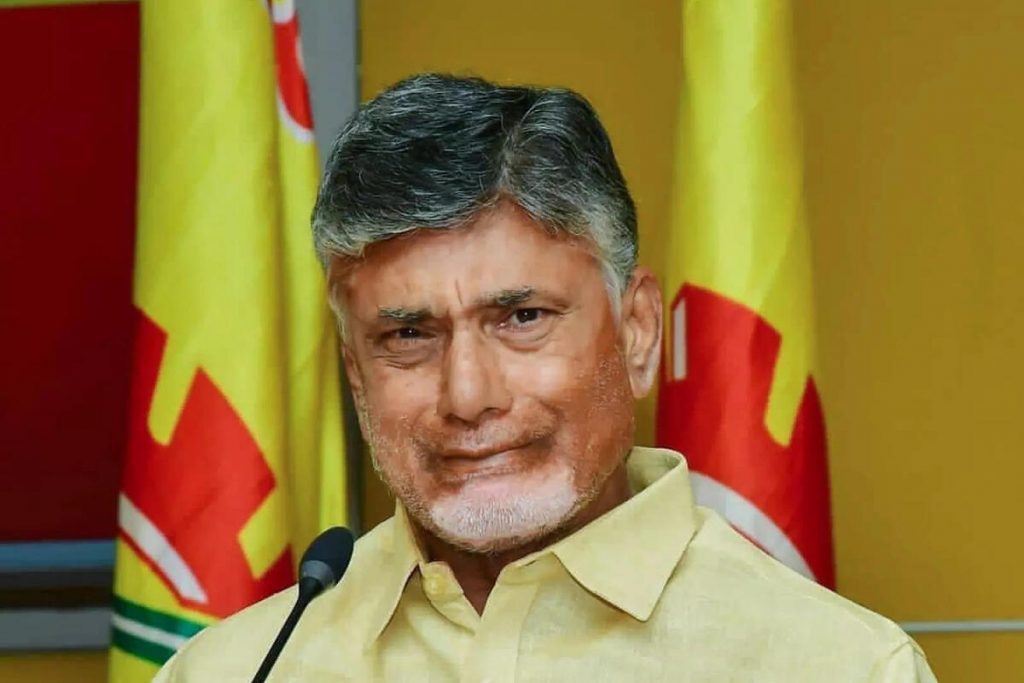
For the thousands of families who gave up their land for the Veligonda irrigation project, the wait for compensation has been long. On Thursday, Andhra Pradesh Chief Minister N. Chandrababu Naidu signed off on 300 crore rupees for those displaced.
It is a payment that had been pending as the state pushed to finish a project originally conceived decades ago. The Veligonda scheme is not new.
It is a lift-irrigation system meant to pull water from the Srisailam reservoir and push it into the parched uplands of Prakasam and surrounding districts. But the project has bled time and money. Delays mounted.
Costs ballooned. And as the reservoir and canal network took shape, families in the way were moved.
Compensation, state records show, was a condition for clearing the remaining construction zones. The 300 crore disbursement covers that obligation. Naidu also set a deadline.
Phase-one water, he said, would reach command areas by July 31. That timeline rests on finishing tunnel work and canal lining. Officials familiar with the briefing said the date is tied to those remaining tasks.
It is a tight window. The monsoon will arrive regardless.
The compensation announcement came during a series of review meetings at the state secretariat. Naidu was in the room with irrigation officials. He stressed that the payment and the infrastructure push were part of a broader effort.
The goal, according to sources present, is to improve rural infrastructure before the next monsoon season. That same day, Naidu launched the Sanjeevani health programme.
It is a separate initiative, but it shares a target: rural and tribal areas with scant infrastructure. The programme will deploy mobile medical units and telemedicine hubs. The idea is to reach districts where hospitals are few or far away.
The state filing describes it as an expansion of primary-care access. No budget figure was given for Sanjeevani in the record. Naidu also announced enrollment for the Talliki Vandanam scheme would open in July.
That programme, first laid out in the state budget, provides direct cash transfers to mothers with school-age children. It is a financial-assistance scheme, not a health programme.
But it was rolled into the same set of announcements. The timing matters. The Veligonda project has been a political flashpoint for years.
Opponents have pointed to the delays and the cost overruns. Supporters argue it will transform dry farmland.
The 300 crore payment does not end the controversy. It does, however, clear a practical hurdle. Families cannot stay in the way if the canals are to be finished.
Whether the July 31 deadline holds is another question. The project has missed deadlines before. But the compensation is out the door.
That is concrete. So are the plans for the health vans and the cash transfers.
Naidu, according to those at the meetings, framed all of it as a push to strengthen rural infrastructure. The monsoon will test how much has actually changed.




