
For a month, a new mobile toilet at Panvel Bus Stand has sat idle, its padlock in place while the bus drivers and conductors it was meant to serve make do without. Installed by local authorities, the unit remains inaccessible because no formal inauguration ceremony has yet been held, according to local reports. During a spot visit to the depot, the mobile toilet was seen locked from the outside.
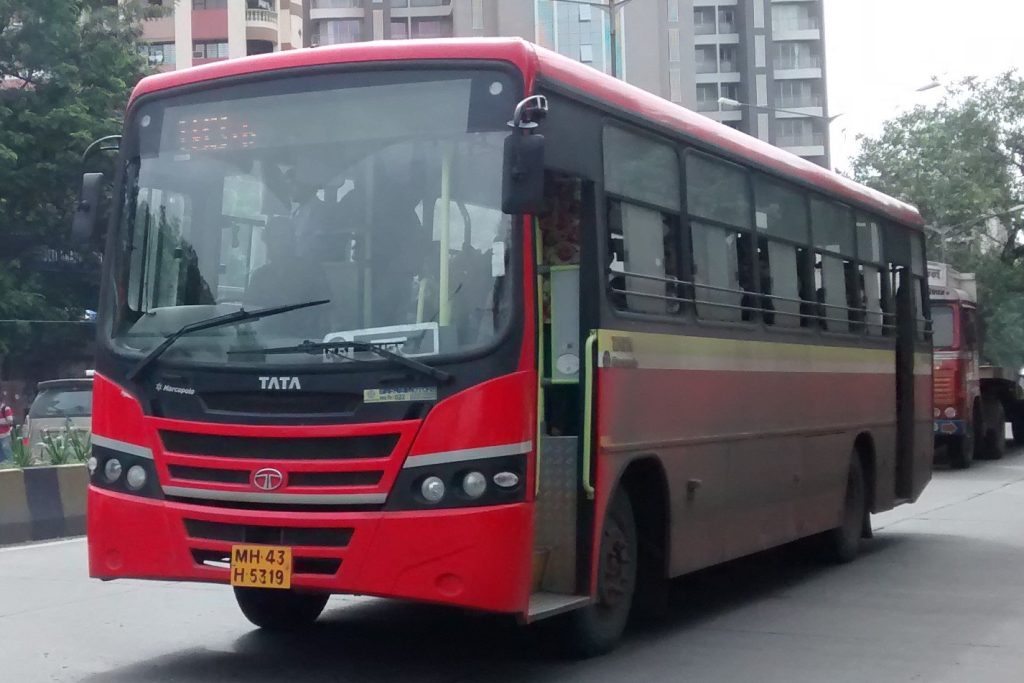
With no other functional restroom available on the immediate premises, Navi Mumbai Municipal Transport (NMMT) staff are forced to walk to the nearby Panvel railway station. A photograph published alongside the report shows NMMT employees standing outside the locked unit, underscoring the gap between installation and usability that often plagues public amenities in Indian cities.
A Major Junction Lags Behind
Panvel Bus Stand is a major transport hub in Navi Mumbai, a planned satellite city that grew rapidly after the development of the Mumbai Metropolitan Region in the second half of the twentieth century. The stand serves as a junction for long-distance state transport buses, local municipal buses, and private coaches, connecting travelers to and from the nearby railway station. Over the decades, the facility has struggled to keep pace with rising passenger numbers and the needs of the transport staff who operate from it daily.
The core subject is a bus stand: a designated area where buses load and unload passengers, often including shelters, ticket counters, and basic amenities such as restrooms. In Indian cities, many such stands were built decades ago and have not been comprehensively upgraded.
The result is that essential facilities like toilets, drinking water, and waiting rooms remain inadequate or poorly maintained, despite repeated official promises.
Procedural Gridlock
The mobile toilet was placed at the bus stand a month ago, but the delay is not due to any technical fault or vandalism. It is simply awaiting an inauguration ceremony, a procedural step that has kept it locked for a month.
Authorities have not indicated when the formal inauguration might take place, leaving NMMT staff to continue their daily trek to the railway station. The episode has been described in a local report as a classic case of civic apathy wrapped in bureaucratic red tape. The salient point, for all the noise about civic improvements, is that a brand-new facility sits idle.
For the drivers and conductors who spend long hours on the road, access to a clean restroom is a basic workplace need. When a brand-new unit sits locked for a month awaiting a ribbon-cutting, it underscores a gap between policy and practice that affects real people every day.
Why this matters now is that the episode at Panvel is not an isolated case. Across urban India, public amenities are frequently installed but left non-functional due to procedural delays, lack of coordination between agencies, or simple neglect, the report notes. The photograph of staff standing outside the locked unit captures the essential workers this unit was meant to serve, left with no space on the bus stand grounds to answer nature’s call.
For now, the mobile toilet remains a locked box at a bustling transport hub. Authorities have not indicated when the formal inauguration might take place, leaving NMMT staff to continue their daily trek to the railway station.
Readers may recognize this pattern in their own cities, where infrastructure stands idle while those meant to use it improvise solutions.




