
The Hastings McCain plant will process its last vegetables in January 2027. Then the freezers go dark. The question now is not whether McCain leaves — that is settled — but whether the state steps in where a multinational exits.
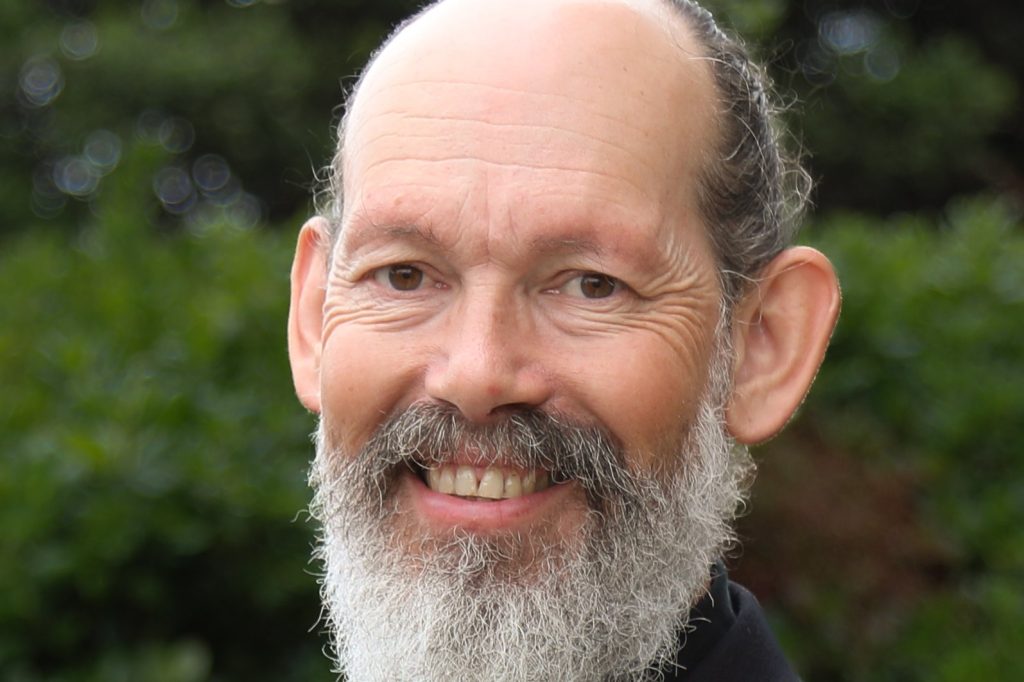
The Green Party says yes. Steve Abel, the Greens MP on the Primary Production Committee, floated public investment during a recent Hastings visit.
He called food-processing infrastructure a strategic asset. “We are not averse to the idea that there are instances where strategic assets, such as a food-processing facility, should be protected for the broader national good, and if that means some public investment, so be it,” Abel said. The party has no specific policy on this plant yet.
Abel described it as “top of the party’s mind.” That is not a commitment. It is a signal that the Greens see a pattern.
Mills closing. Food-processing plants closing. Energy prices rising.
The Hastings facility processes vegetables for McCain’s frozen-food lines. When it shuts, that processing capacity disappears. Hastings Mayor Wendy Schollum and Central Hawke’s Bay Mayor Will Foley tried a different route.
They asked McCain to pause the closure while growers looked for a buyer. McCain refused at the end of May.
That door is shut. The government buyout idea is not universally popular in the Tukituki electorate. Not every candidate agrees.
That is the political reality. The Greens are pushing into a contested space.
What would a buyout actually mean? The Greens have not spelled it out. No price tag.
No ownership model. No plan for who runs the place after the cheque clears. Abel talked about “specific strategies” on energy prices and food processing.
He did not detail them in the source material. The party is building the case in public before it builds the policy.
This is not a fringe idea. Governments buy strategic assets. They buy ports, railways, power companies.
A frozen vegetable plant is less glamorous. But the logic is the same.
If private capital walks away from something the country needs, the state can either watch it rot or pick it up. McCain’s decision is corporate. It is not personal.
The company announced the closure in March 2025. The plant runs until January 31, 2027, then stops after that season’s processing and packing. The company gave two years’ notice.
That is longer than most. It gives time for a rescue, if anyone wants one.
The mayors wanted that time. They did not get it. McCain said no. So the political options narrow.
Either the plant closes and the region loses jobs and processing capacity, or the government buys it. There is no third option visible in the source material.
Abel said the loss of food-processing facilities is linked to energy prices. That is a specific claim. High power costs hit industrial processors hard.
McCain did not cite energy in the source material as the reason for closing. But the connection is there in Abel’s analysis. The Greens have energy strategies.
They have food-security priorities. The plant closure is where those two things meet.
The Greens are early in this conversation. They have not committed public money. They have not drafted legislation.
What they have done is name the idea. That changes the debate.
Before Abel spoke, the options were private sale or closure. Now a third path exists in public discourse. Whether it goes anywhere depends on politics.
The Tukituki electorate will have a say. The broader government will have a say. McCain will have a say only if someone makes an offer.
The company already turned down a pause. It might turn down a sale.
Or it might not. The plant processes vegetables for frozen-food lines. Those lines need a home.
If the government buys the plant, it needs a buyer for the output. Or it runs the plant itself.
That is a big step for a government that usually stays out of the frozen pea business. Abel called it a “failure of politic” if nothing is done. The source material cuts off there.
But the point is clear. The Greens think inaction is a choice, not a default. They are choosing to act, at least with words.
The plant closes in 2027. That gives two years for the words to become something else.




