
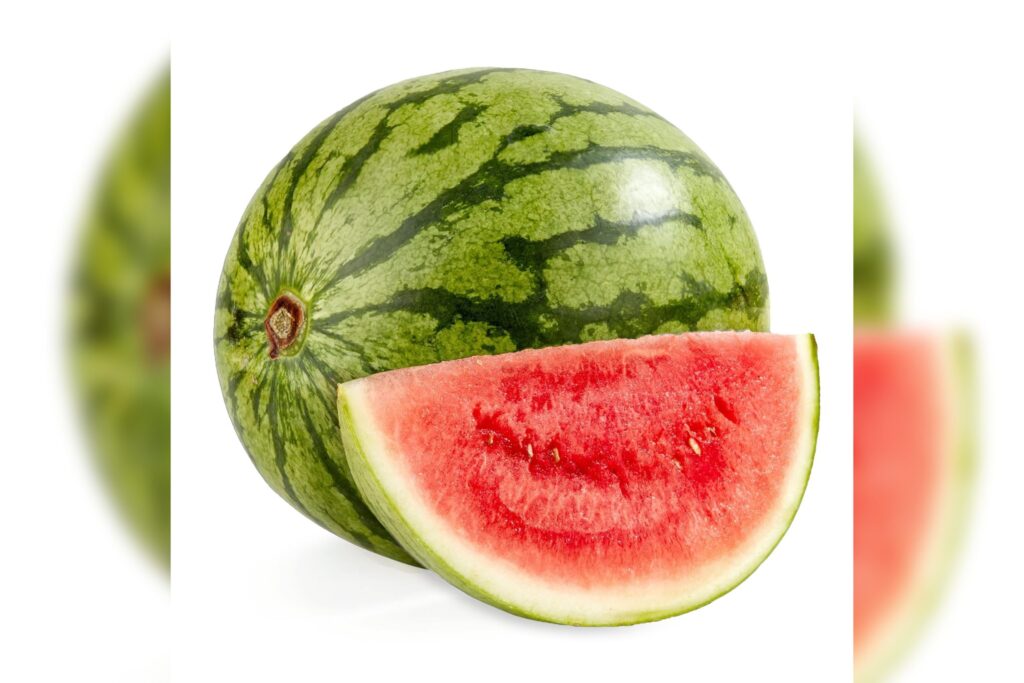
The science advisor to the Plants Board has put a number on it. 33 calories per 100 grams. That is the figure now circulating among nutritionists and parents alike as summer heat drives demand for cold, sweet fruit across the region. For years, watermelon carried a reputation problem.
People called it water and sugar. Nothing more.
A treat, sure, but not a serious food. The advisor’s briefing this week directly challenges that. The data is straightforward.
Watermelon contains about 7 percent sugar. That is less than half the sugar found in grapes or fresh figs, which both hit around 16 percent.
A banana? 12 percent. The fruit people reach for without a second thought often packs more sugar by weight than the one they hesitate over. The context matters.
Summer is the season when watermelon dominates household tables. Families buy it by the whole fruit. They cube it, blend it, pack it for work.
The question of whether that habit is healthy or indulgent has real consequences for how people shop and eat. The advisor’s answer: generous servings are fine.
A standard serving is about 300 grams — three cups of cubes. That comes to roughly 100 calories. Compare that to apples, peaches, or nectarines, which run 45 to 65 calories per 100 grams.
Watermelon’s high water content is the key. You can eat a larger volume for fewer calories.
That is not true of most fruits. Still, sugar is sugar. The advisor does not pretend otherwise.
The practical advice given is to pair watermelon with protein or healthy fat. Feta cheese. Bulgarian cheese.
Nuts. The logic is simple: the fat and protein slow down sugar absorption.
The glycemic index drops. Blood sugar spikes become less likely. This is not abstract science.
For families across Asia who monitor blood sugar levels — whether for diabetes, prediabetes, or general health — that pairing advice is actionable. It turns a bowl of fruit into a more balanced snack without eliminating the fruit itself.
The timing of the briefing is no accident. The Plants Board is responding to a pattern it sees every year. Watermelon sales spike.
So do questions about its nutritional value. The advisor’s seven-point breakdown is meant to settle the debate before it repeats. The message is clear: watermelon is not just water and sugar.
It is low in sugar relative to other fruits. It is low in calories.
It can be part of a guilt-free summer diet. What the advisor did not say is also worth noting. No claims about vitamins or antioxidants were pushed to the front.
No superfood rhetoric. Just numbers and practical eating advice.
That restraint gives the briefing credibility. The takeaway for the average household is straightforward. Eat watermelon.
Do not worry about the portion size the way you would with grapes or bananas. If blood sugar is a concern, add cheese or nuts. The science backs it up.




