
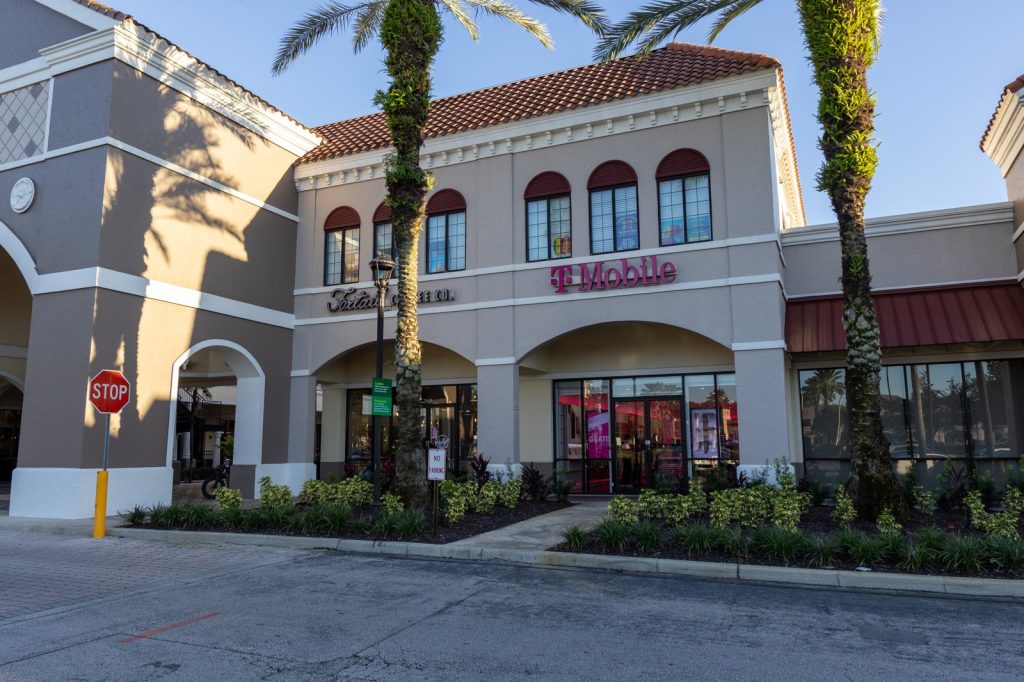
T-Mobile is moving a large group of its legacy customers off older plans and onto the company’s current lineup of Experience plans, a shift that will result in higher monthly bills for those affected. According to the company’s own communications with subscribers, there is no opt-out or opportunity to select an alternative plan.
The migration is set to occur within the next couple of weeks. For some customers, the increase will be by as much as a specific dollar amount per line per month. For accounts with multiple lines, the total monthly cost rises proportionally.
The move has reignited a familiar refrain among wireless subscribers. In online forums and Reddit threads, users are voicing the same complaint: “My loyalty means nothing.” Customers who have remained with the carrier for a decade or more express disbelief that they are being treated as numbers rather than valued patrons.
The sentiment reflects a broader pattern in the U.S. wireless industry, where each of the three major carriers periodically introduces changes that consumers view as anti-consumer. The record shows that T-Mobile has moved first this time, and industry watchers are now questioning whether competitors will follow suit.
Forced Migration to Higher-Cost Plans
The company’s decision affects legacy customers—those who have been with T-Mobile the longest and are often considered its most loyal base. Under the new structure, these subscribers will be shifted to Experience plans without any ability to choose a different option or remain on their current pricing.
T-Mobile has communicated the change directly to affected account holders, stating that the transition will happen in a matter of weeks. The price increase per line, though unspecified in exact dollar terms, is described as being substantial for some users. For families or groups with multiple lines, the cumulative monthly increase can be significant. This is not an isolated event.
The wireless industry has a long history of offering promotions and lower introductory rates to attract new customers, only to later raise prices on existing subscribers. T-Mobile’s latest action fits that pattern.
The company’s internal logic appears to prioritize moving all customers onto a standardized, presumably more profitable, plan lineup. For those affected, the forced migration means they will pay more for the same or similar service.
Loyalty Discounted in Industry Pattern
The reaction from customers underscores a longstanding tension between wireless carriers and their subscribers. Users who have been with T-Mobile for 15 years, who pay their bills on time, maintain multiple active lines, and regularly finance phones to lock themselves in for additional years, find that their loyalty is not rewarded.
As the company’s own actions demonstrate, carriers do not hesitate to implement changes that make things more uncomfortable for long-term customers. “They do not care if you have been with them for 15 years,” summarizes the sentiment expressed in online discussions. The carriers want to keep locking customers in through device financing and contract terms, but they will not spend a minute stressing over moves that increase costs for those same subscribers.
The attachment many consumers feel to their wireless provider is a notable psychological factor. When individuals spend significant money and time with a single company, they often begin to view that brand as an extension of themselves—a piece of their identity or personal brand.
This sense of pride in being connected to a particular carrier can make the realization of being treated purely as a revenue number all the more jarring. Yet the industry record shows that loyalty holds little sway when carriers decide to restructure plan offerings. The forums are now watching to see whether other major U.S. wireless providers adopt similar tactics.
T-Mobile’s Corporate Profile and Market Position
T-Mobile is a brand of telecommunications services owned by Deutsche Telekom, a German company. In the United States, T-Mobile US operates as one of the major wireless network operators. The brand also has a presence in several European countries, including Poland and the Czech Republic, and formerly had operations in the United Kingdom and the Netherlands. The company has grown through mergers and acquisitions over the years.
Its American arm was formed from the combination of several regional carriers and later expanded by acquiring a major competitor. T-Mobile has also become known for its sponsorship of sports venues, with its name on arenas in Las Vegas and Kansas City, as well as a baseball stadium in Seattle.
As the company pushes legacy subscribers onto newer, more expensive plans, the broader question remains: will the other big three U.S. wireless carriers follow the same playbook? The record shows that T-Mobile has moved first. The forums are watching closely, and customer reaction in the coming weeks may help shape whether this becomes an industry-wide trend or remains an isolated strategy.




