
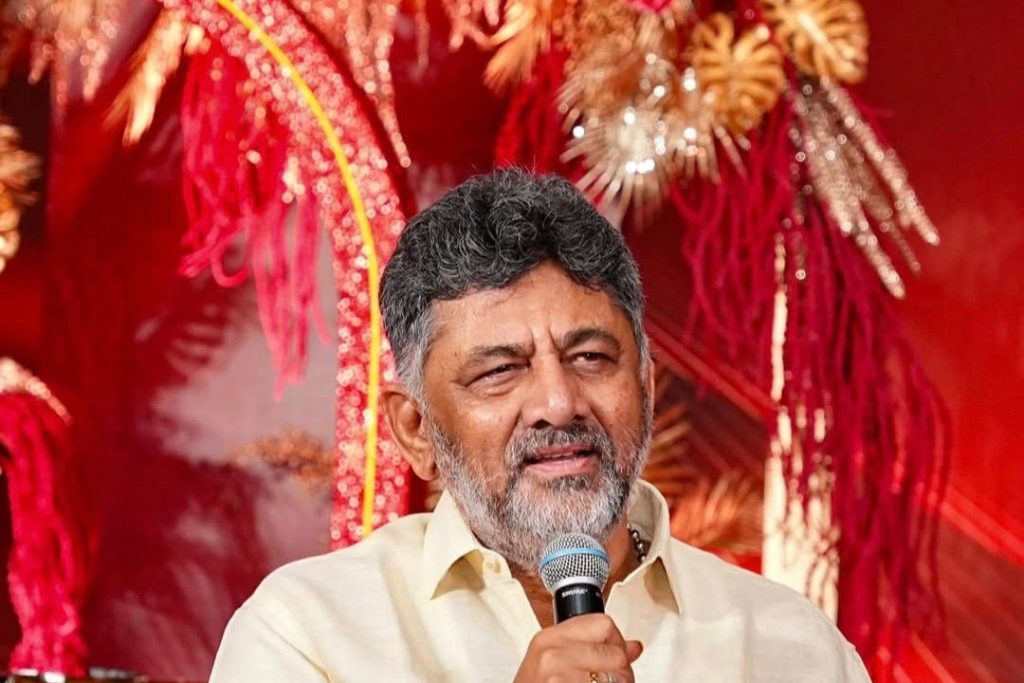
BENGALURU, June 30 — The story begins not with a grand proclamation, but with a pen and a form. Karnataka Chief Minister DK Shivakumar launched the state’s Special Intensive Revision of electoral rolls on Tuesday by doing what he is asking every eligible citizen to do: he filled out the enumeration form himself. Officials from the Election Commission arrived at the CM’s Sadashivanagar residence, handing him the form.
He completed it on the spot and submitted it, formally inaugurating the drive. For those involved, the moment carried a quiet significance—a leader standing where the voters stand, if only for a few minutes.
“Today, officials from the Ramanagara district, which is my home constituency, came to my house,” Shivakumar said after filling the form. “I found it a bit difficult to enter all the details. They have started the Special Intensive Revision drive with us.
I have filled the form and signed it.” The Special Intensive Revision (SIR) of electoral rolls commenced across Karnataka on Tuesday and will continue until July 29. At its heart, the drive is about one thing: making sure every eligible citizen’s name is on the list, and that the details are correct.
Shivakumar urged all eligible citizens to verify their names in the voter list and enrol if they haven’t already. He asked them to actively participate in the ongoing revision, stressing the importance of updating details and mobile numbers to ensure a smooth verification process. “I want to tell everyone: your mobile number is important in this process,” the Chief Minister said.
“Use the mobile number that was given earlier to download the form. If you don’t have that old number now, give the officials a new number. They will send an OTP to that number.
You can make corrections to your name and address.” What unfolded was a straightforward appeal from a man who had just navigated the same paperwork himself. He acknowledged the process took some effort, even for him, and asked citizens to cooperate with election officials making their rounds.
The timing matters. With the revision drive running through July, the state is giving voters a month-long window to get their records straight. For many, the process hinges on that mobile number—a small detail that can derail a person’s ability to vote if not handled correctly.
Shivakumar’s message was simple: if you have your old number, use it. If you don’t, give the officials a new one.
They will verify it with an OTP, and corrections to names or addresses can follow. The system, he suggested, works if people engage with it. The drive covers the entire state, from Bengaluru’s high-rises to Ramanagara’s villages.
For those who have moved, changed their phone numbers, or never enrolled at all, this is the moment to act. Looking ahead, the next month will test whether the appeal translates into action. Election officials will fan out across Karnataka, forms in hand, while the Chief Minister’s own experience—struggling a bit with the details—serves as a reminder that democracy’s machinery can be both simple and demanding.
The question now is how many will follow his lead.




