
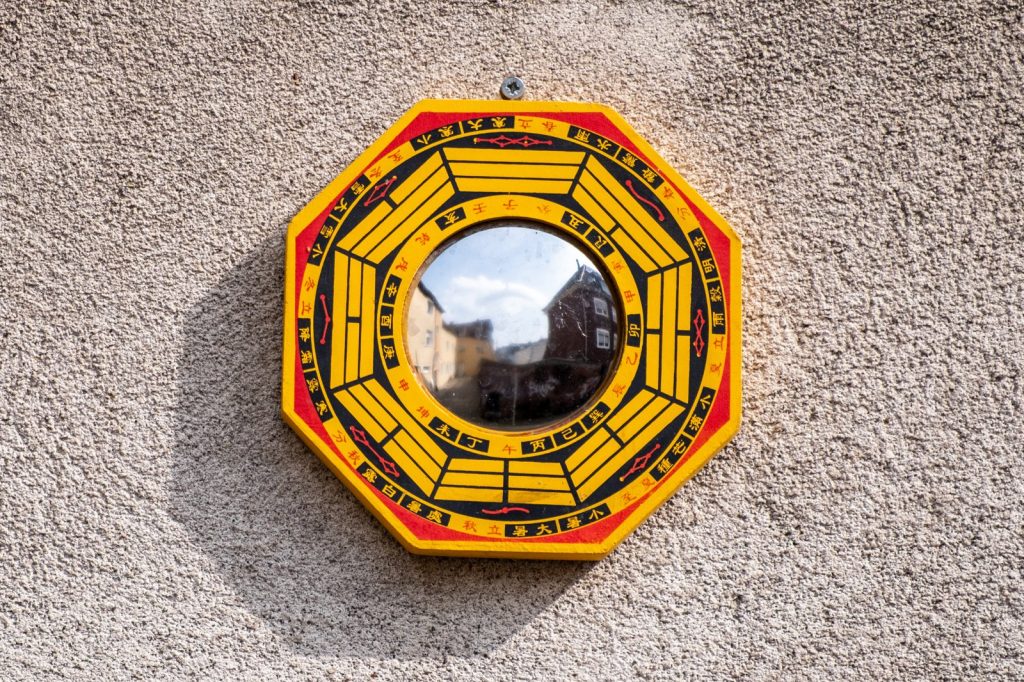
Master Hanz Cua’s feng shui predictions for June 26, 2026, published by ABS-CBN Lifestyle, represent more than a daily horoscope. They are a window into how ancient Chinese geomancy has been adapted into a practical toolkit for modern Filipino life, particularly among business owners and professionals. The forecast breaks the day into time windows, each with its own recommended orientation.
Morning hours might favor one direction for financial matters. Afternoon hours shift to another for relationship-building.
This granular approach, down to specific compass directions for different tasks, reflects a system designed for action, not passive reading. Cua’s guidance extends to personal habits. He advises on optimal times for cutting hair, signing documents, and cleaning the home.
The recommendations cover health and emotional balance, suggesting specific colors to wear and behaviors to avoid during inauspicious hours. It is a comprehensive daily playbook.
The popularity of such predictions in the Philippines is not accidental. Feng shui offers a framework for decision-making in a culture that values harmony and strategic timing. For a business owner, knowing the auspicious direction for a meeting or the lucky number for a contract signing is not superstition.
It is risk management. It is a way to align personal action with perceived cosmic currents. Cua’s regular series fills a specific niche.
He blends ancient practices with day-to-day advice. His audience treats the forecasts as a strategic tool.
That is a telling detail. These are not casual readers looking for entertainment. They are people who incorporate feng shui into real decisions about money, relationships, and health.
The June 26 predictions offer general guidance, not personalized readings. Cua’s system acknowledges that feng shui calculations vary by individual birth chart and home layout.
This is a crucial limitation. A general forecast cannot account for the unique energy of a specific person’s home or office. Yet the demand for such broad advice remains strong.
For those new to feng shui, Cua’s forecasts serve as an accessible entry point. They demystify a complex tradition. They reduce it to clear, actionable steps.
Wear this color. Face that direction.
Avoid this activity during those hours. It is a stripped-down version of a sophisticated practice, but it works for a mass audience. The underlying force here is practicality.
Filipinos who follow Cua are not abandoning science for superstition. They are layering an additional decision-making tool onto their existing rational processes.
It is a cultural habit, not a religious one. It is about hedging bets. It is about feeling that you have done everything you can to tilt the odds in your favor.
Where this leads is toward further specialization. As feng shui becomes more mainstream in business and professional circles, the demand for personalized readings will grow. General forecasts like Cua’s will remain popular as entry points.
But the serious users will seek out individual consultations. They will want calculations based on their exact birth data and home layout.
That is the natural next step. The June 26 predictions are a snapshot of a living tradition. They show how an ancient system adapts to the rhythms of a modern workday.
They show how people use cultural tools to impose order on uncertainty. That is a human impulse that predates feng shui by millennia.
Cua simply gives it a compass direction and a lucky number.




