
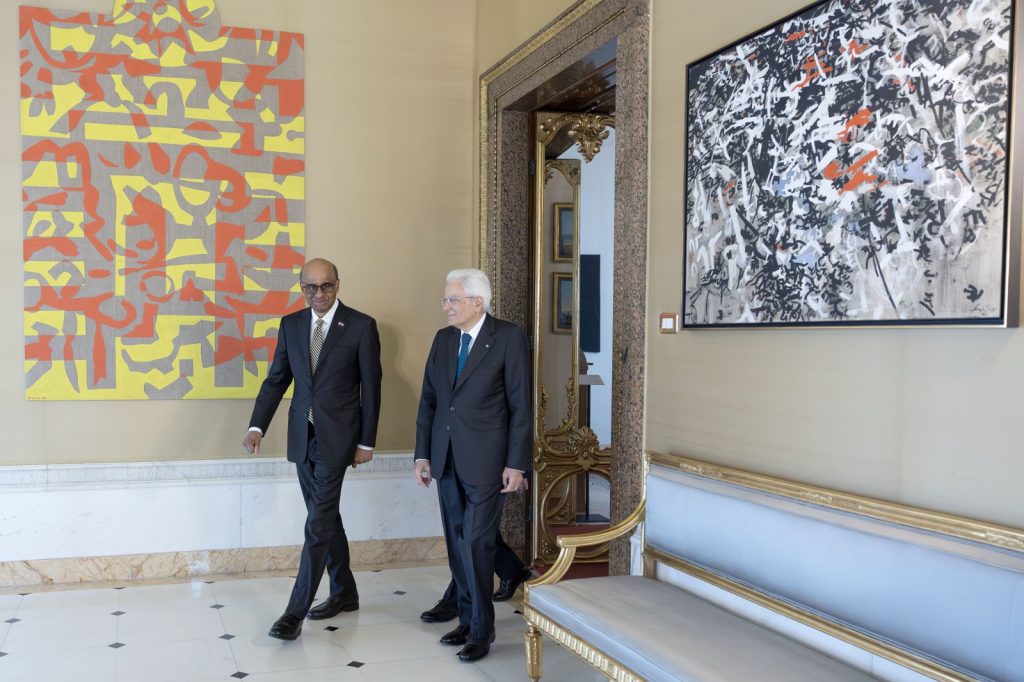
Singapore , Oct 31, 2024
Singapore’s recent presidential election has reignited debate over the role’s significance. Traditionally viewed as largely ceremonial, the presidency has increasingly been seen as a key player in fiscal oversight and safeguarding public trust. The elected president holds veto powers over the nation’s reserves and appointments in the public service, granting substantial influence behind the scenes.
Critics argue that the position remains largely symbolic, constrained by the ruling People’s Action Party’s dominance. However, proponents highlight recent presidents’ active engagement in transparency and governance issues, which suggest a gradual shift toward greater political influence.
As Singapore navigates challenges such as economic shifts and regional geopolitical tensions, the president’s role in maintaining stability and fiscal prudence may grow. The ongoing discussion reflects broader questions about checks and balances in the city-state’s unique political system.
Singapore’s political system, characterized by a parliamentary democracy, has a long history of stability and efficiency, with the ruling party maintaining a strong presence in the government. This unique setup has allowed the city-state to achieve rapid economic growth and development, earning it a reputation as a hub for international trade and finance. The interplay between the executive, legislative, and other branches of government has been a subject of interest for scholars and observers, particularly in regards to the distribution of power and the checks and balances that ensure accountability.
The role of the president in Singapore’s system of government is shaped by the country’s constitution, which outlines the powers and responsibilities of the office. The constitution serves as the foundation for the city-state’s laws and institutions, providing a framework for the relationship between the government and its citizens.
As such, the president’s position is not only a symbol of national unity but also a key component in the system of checks and balances, designed to prevent the concentration of power and ensure that the government remains accountable to the people. The city-state’s economic success and strategic location have made it an important player in regional and global affairs, with Singapore often taking an active role in international organizations and diplomatic efforts.
As the country navigates the complexities of an increasingly interconnected world, the president’s role in maintaining stability and promoting the national interest has become more critical. This is particularly relevant in the context of regional geopolitical tensions, where the president’s influence can help to foster a sense of continuity and predictability, reassuring investors and international partners alike.
The ongoing debate about the president’s role reflects a broader discussion about the evolution of Singapore’s political system and the need for adaptability in response to changing circumstances. As the city-state continues to grow and develop, its institutions and governance structures must also evolve to meet new challenges and opportunities. The president’s position, as a symbol of national unity and a key player in fiscal oversight, is likely to remain a subject of interest and scrutiny, with its significance and influence being reevaluated in light of emerging trends and priorities.




