
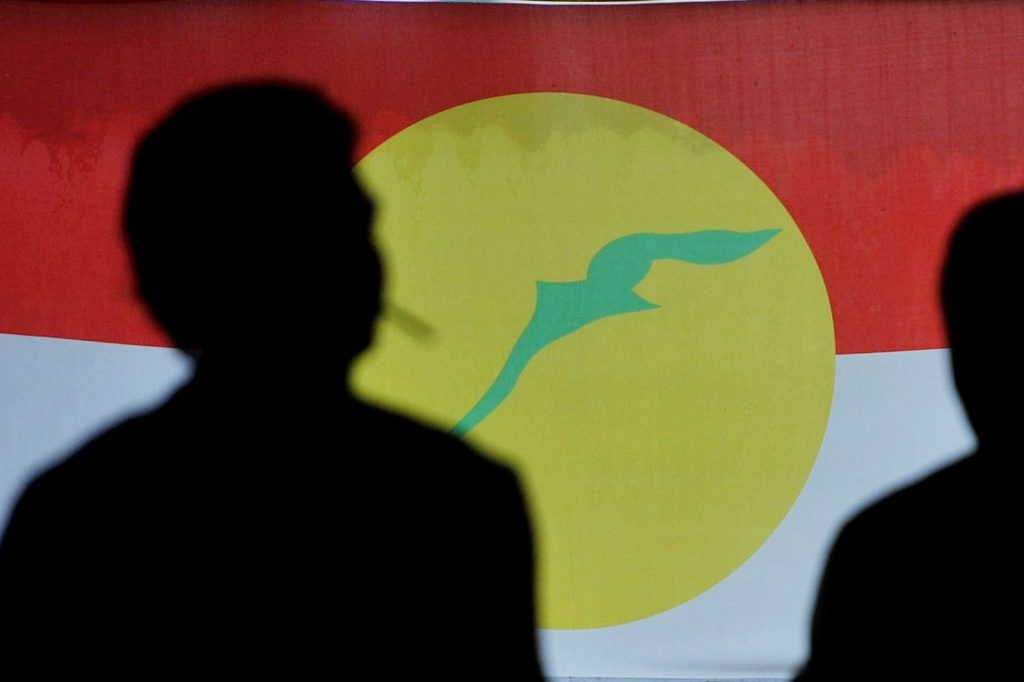
Malaysia’s political landscape has undergone significant changes, with the United Malays National Organisation (UMNO) facing a decline in its influence, as of June 30, 2025, in Malaysia, due to various factors, including internal conflicts and external pressures, which have led to a realignment of the country’s political forces, with many wondering if UMNO is fading for good, why this is happening, and what the implications are for the country’s future.
UMNO, which has been the dominant party in Malaysian politics for over six decades, has been experiencing a decline in its popularity and influence in recent years, according to a statement by Wan Saiful Wan Jan, the chief executive of the Institute for Democracy and Economic Affairs (IDEAS), a Malaysian think tank, who noted that “UMNO’s decline is a result of its own internal weaknesses, including corruption and cronyism, which have eroded public trust in the party”.
This decline has been exacerbated by the party’s inability to adapt to changing public sentiments and its failure to address the country’s economic and social challenges, as stated by James Chin, a professor of Asian studies at the University of Tasmania, who said that “UMNO’s leadership has been out of touch with the needs and aspirations of the Malaysian people, and this has led to a loss of support for the party”.
Several factors have contributed to UMNO’s decline, including the party’s involvement in corruption scandals, such as the 1MDB scandal, which has led to the arrest and prosecution of several high-ranking party officials, including former Prime Minister Najib Razak, who was found guilty of corruption and sentenced to 12 years in prison, as reported by the Malaysian Anti-Corruption Commission (MACC), which stated that “the 1MDB scandal has had a significant impact on UMNO’s reputation and has led to a loss of public trust in the party”.
Additionally, the party’s failure to address the country’s economic challenges, including rising living costs and stagnant wages, has also eroded public support for the party, as noted by Shahrir Abdul Samad, a former UMNO lawmaker, who said that “the party’s inability to address the economic concerns of the Malaysian people has led to a decline in its popularity”.
The decline of UMNO has significant implications for Malaysian politics, as it has led to a realignment of the country’s political forces, with other parties, such as the Pakatan Harapan (PH) coalition, gaining influence and support, according to a statement by Anwar Ibrahim, the leader of the PH coalition, who noted that “the decline of UMNO has created an opportunity for other parties to emerge and provide an alternative to the Malaysian people”.
The PH coalition, which won the 2018 general election, has been able to capitalize on UMNO’s decline and has become a major force in Malaysian politics, as stated by Bridget Welsh, a professor of political science at the John Cabot University, who said that “the PH coalition has been able to tap into the discontent with UMNO and has become a viable alternative for the Malaysian people”.
Despite its decline, UMNO still has a significant presence in Malaysian politics, and the party is attempting to reform and revitalize itself, according to a statement by Ahmad Zahid Hamidi, the president of UMNO, who said that “the party is committed to reform and is taking steps to address the concerns of the Malaysian people”.
However, the party faces significant challenges, including internal conflicts and external pressures, and it remains to be seen whether UMNO can recover from its decline and regain its former influence, as noted by Oh Ei Sun, a senior fellow at the Singapore Institute of International Affairs, who said that “UMNO’s future prospects are uncertain, and the party faces a significant challenge in regaining public trust and support”.
The decline of UMNO has significant implications for Malaysian politics, and the party’s future prospects are uncertain, as the country’s political landscape continues to evolve and change, with other parties emerging as major forces, and the Malaysian people seeking alternative solutions to the country’s economic and social challenges, as stated by Wan Saiful Wan Jan, who noted that “the decline of UMNO is a significant development in Malaysian politics, and it will be interesting to see how the party responds to the challenges it faces and whether it can recover from its decline”.




