
Indonesia , July 02, 2024
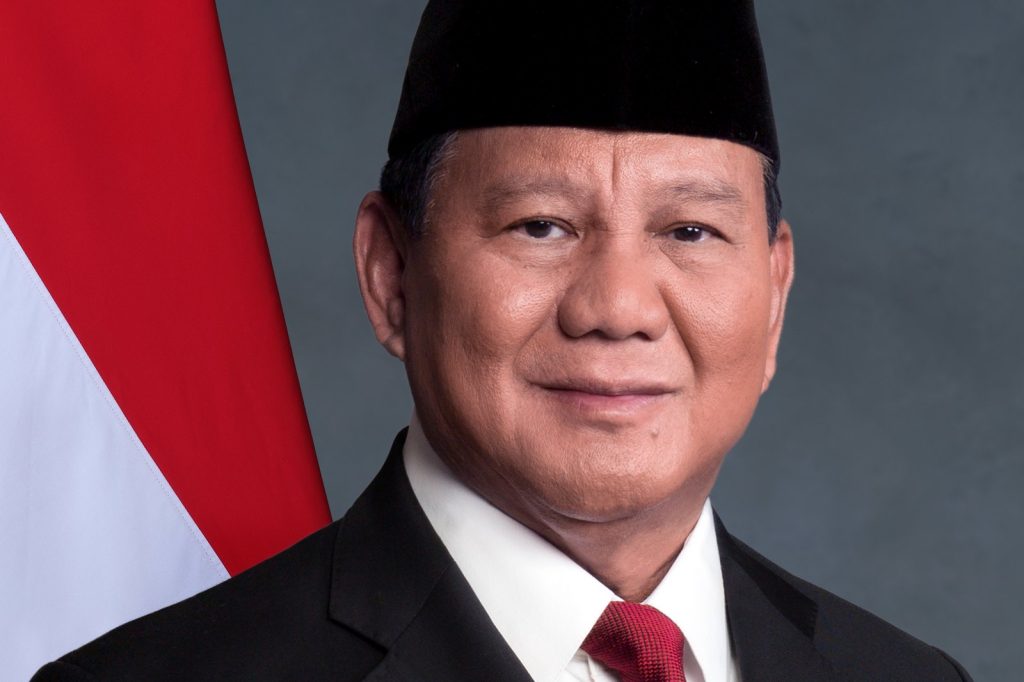
Indonesia’s 2024 presidential election ended with Prabowo Subianto emerging victorious after a fiercely contested campaign that revealed deep political and social divisions. As President-elect, Prabowo’s immediate priority is to form a coalition cabinet capable of governing a nation marked by political fragmentation. Known for his populist rhetoric during the campaign, many observers are watching closely to see if Prabowo will moderate his stance to build broader consensus across Indonesia’s diverse society.
Early signs show Prabowo reaching out to key political factions, signaling a pragmatic approach to governance. This coalition-building effort is critical not only to domestic stability but also to Indonesia’s foreign policy trajectory. Prabowo’s administration faces pressing challenges, including managing relations with major powers amid ongoing geopolitical tensions in the Indo-Pacific region.
Domestically, Prabowo must address economic inequalities and social unrest exacerbated during the election. His ability to unite disparate groups and temper polarization will determine Indonesia’s path forward. The world is watching whether Prabowo’s leadership can transform from a polarizing figure to a unifying force capable of fostering long-term political cohesion.
Indonesia has a diverse population and geography, presenting unique challenges to national unity. The country’s political system continues to evolve, with various political parties and interest groups vying for influence. This backdrop of political pluralism and regional diversity sets the stage for the difficulties and opportunities that Prabowo’s administration will face in its efforts to build a cohesive and effective government.
The role of coalition-building in Indonesian politics is not new, as previous governments have also relied on forming alliances with various political parties to achieve a majority in the legislature. However, the depth of division revealed by the 2024 election underscores the complexity of this task for Prabowo’s cabinet.
Managing the expectations and interests of different political factions, while also addressing the concerns of a diverse electorate, will require a delicate balance of political acumen, policy compromise, and strategic communication. The success of such efforts will have significant implications for the stability and effectiveness of the government. Indonesia’s position in the Indo-Pacific region adds an external dimension to the challenges facing Prabowo’s administration.
As a key player in regional dynamics, Indonesia’s foreign policy choices will be closely watched. The ability of Prabowo’s government to navigate these geopolitical dynamics, while also advancing Indonesia’s national interests, will depend on its capacity to project a united and coherent foreign policy stance.
This, in turn, will require a high degree of domestic political stability and consensus, underscoring the interconnectedness of Indonesia’s internal and external challenges. The world is watching whether Prabowo’s leadership can transform from a polarizing figure to a unifying force capable of fostering long-term political cohesion. Prabowo’s administration faces pressing challenges, including managing relations with major powers amid ongoing geopolitical tensions in the Indo-Pacific region.
Domestically, Prabowo must address economic inequalities and social unrest exacerbated during the election. His ability to unite disparate groups and temper polarization will determine Indonesia’s path forward.




