
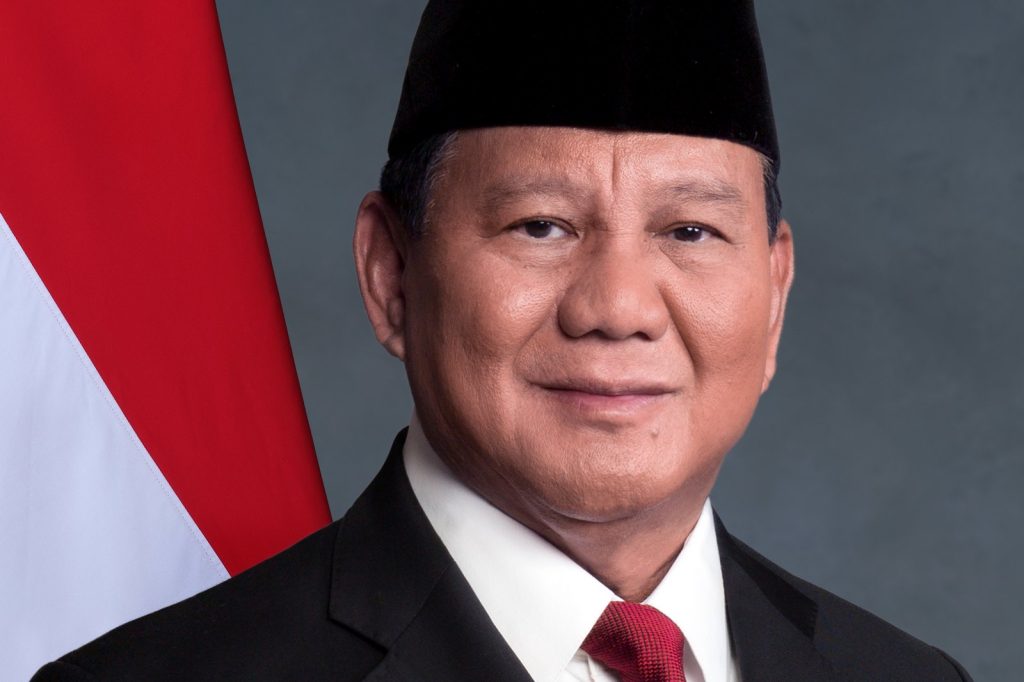
On 14 February 2024 Indonesians cast ballots to choose a successor to President Joko Widodo, who is constitutionally barred from a third term. The election does more than select a new head of state; it determines who will steer a nation of 270 million people, manage the region’s largest economy, and balance competing interests from Washington and Beijing. The contest features three major contenders.
Defence Minister Prabowo Subianto, a former army general with a polarising past, leads the field. He is joined by Anies Baswedan, the ex‑governor of Jakarta known for his academic background and reform‑oriented stance, and Ganjar Pranowo, former Central Java governor and a populist figure from the ruling party.
Each candidate represents a distinct vision for Indonesia’s future. Indonesia’s electoral system adds layers of complexity. While the presidential vote occurs on a single day, voters simultaneously elect members of the House of Representatives, the Senate, provincial legislatures and local councils.
The resulting parliamentary composition will be crucial: a fragmented legislature can impede a president’s ability to pass budgets or implement reforms, while a strong coalition could smooth the path for policy initiatives. The economic backdrop is challenging.
Indonesia’s growth has been robust, yet it faces headwinds from high global interest rates and volatile commodity markets. The incoming president must sustain momentum while addressing these external pressures, ensuring that the country’s abundant natural resources continue to fuel development. Geopolitically, Indonesia sits at a crossroads.
China remains a key trading partner, whereas the United States is a primary security ally. Balancing these relationships will be essential; missteps could jeopardise trade, investment and regional stability.
Prabowo Subianto brings considerable political experience, having previously lost presidential bids in 2014 and 2019 before assuming the defence portfolio. He projects a strong‑man image but has sought to soften his public persona in recent years, positioning himself as a decisive leader capable of navigating Indonesia’s complex challenges. Baswedan offers an alternative rooted in intellectual reform and urban middle‑class aspirations. His tenure as Jakarta governor highlighted a focus on education and governance reforms, appealing to voters seeking a more technocratic approach.
Ganjar Pranowo, aligned with the incumbent party, promises continuity with Widodo’s policies. His populist appeal and track record in Central Java suggest a desire among many voters to maintain the current development trajectory.
The election’s outcome will resonate beyond Indonesia’s borders. A victory for Prabowo could hint at a shift toward more authoritarian governance, while a Baswedan win would likely empower the educated urban electorate. A Ganjar triumph would signal a continuation of Widodo’s era, reassuring investors and regional partners of policy stability.
As the votes are tallied, international observers watch closely, aware that the next president will inherit a democracy that, while vibrant, requires careful stewardship. The leader will need to preserve national unity across a sprawling archipelago, sustain economic growth amid external shocks, and deftly manage Indonesia’s pivotal role in Southeast Asian geopolitics.
The counting process continues, and the world awaits the result that will shape the direction of the world’s third‑largest democracy for years to come.




