NEW YORK, November 27, 2026 — A Brooklyn jury has convicted Chinese tech giant Huawei on 10 of 12 counts, including trade secret theft and Iran sanctions fraud, while the company simultaneously unveils a new AI memory chip designed to bypass US sanctions.
Huawei’s Conviction and Its Impact on US-China Relations
The conviction of Huawei Technologies and three subsidiaries on November 24, 2026, marks a significant moment in US-China relations, according to Time. The jury found Huawei guilty of conspiracy to steal trade secrets, bank fraud, wire fraud, money laundering, and sanctions violations related to Iran, as reported by NBC News. The company was acquitted of racketeering conspiracy and conspiracy to obstruct justice, but still faces substantial fines, forfeiture, and restitution at its September 2027 sentencing, as noted by Yahoo News.
Huawei’s Role in China’s AI Development
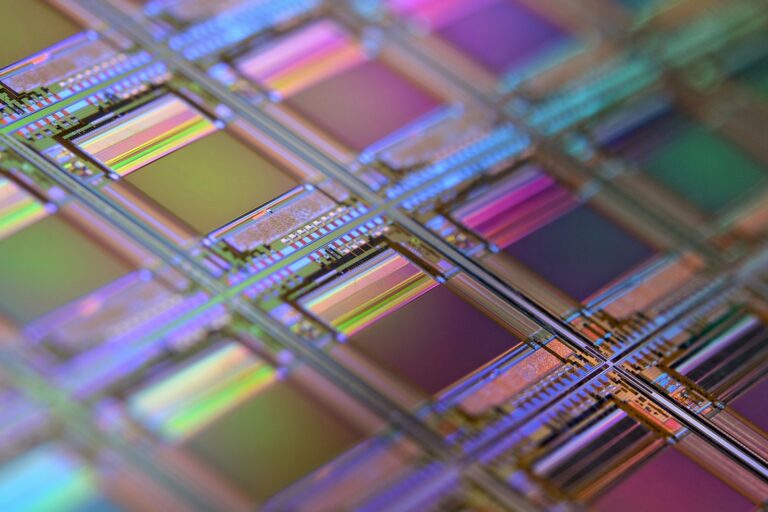
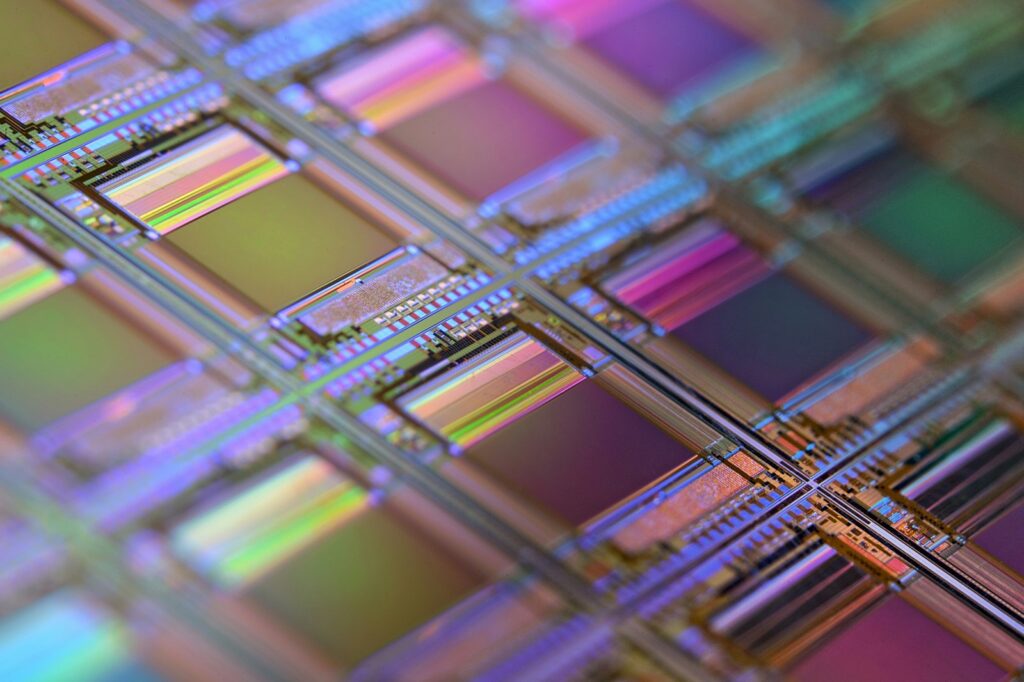
Despite the legal setbacks, Huawei continues to play a pivotal role in China’s AI development. The company is set to present a high-bandwidth memory (HBM) design at the International Solid-State Circuits Conference (ISSCC) in San Francisco in February, according to The Next Web. This design boasts double the data pin density of chips produced by Samsung and SK Hynix, potentially revolutionizing AI chip performance. HBM is critical for AI applications, and Huawei’s homegrown solution aims to close a significant gap in China’s semiconductor supply chain, as China’s foreign HBM stockpiles dwindle due to US export restrictions, as reported by The Next Web.
Recovering from US Sanctions
Huawei’s ability to innovate under sanctions highlights its resilience. The company has already demonstrated workarounds, such as a chip design approach unveiled in June that could match 1.4nm-class chips by 2031 without the most advanced machinery, according to The Next Web. Additionally, Chinese memory maker CXMT is beginning HBM production, albeit with low yields, further supporting China’s push for chip self-sufficiency. Huawei’s new HBM design, if successfully produced, would significantly reduce reliance on smuggled Korean HBM, which currently sustains its Ascend AI chips, as noted by The Next Web.
Huawei’s dual-track approach—navigating legal challenges while advancing technologically—underscores its centrality to China’s AI ambitions. As the company appeals its conviction, its technological breakthroughs signal a determined effort to maintain its position in the global tech landscape, despite US pressure.
Sources
- China’s Huawei Convicted in U.S. Over Bank Fraud, Iran Ties
- Chinese tech giant Huawei convicted of federal charges, including conspiracy to steal trade secrets
- Huawei convicted on 10 counts after high-stakes U.S. trial
- Huawei teases an AI memory chip to take on Samsung and SK Hynix
- Stolen Robot Parts, Backward Code, And Secret Iran Deals: Inside The Trial That Convicted Huawei – AOL
Photo: Laura Ockel / Unsplash (Unsplash License)