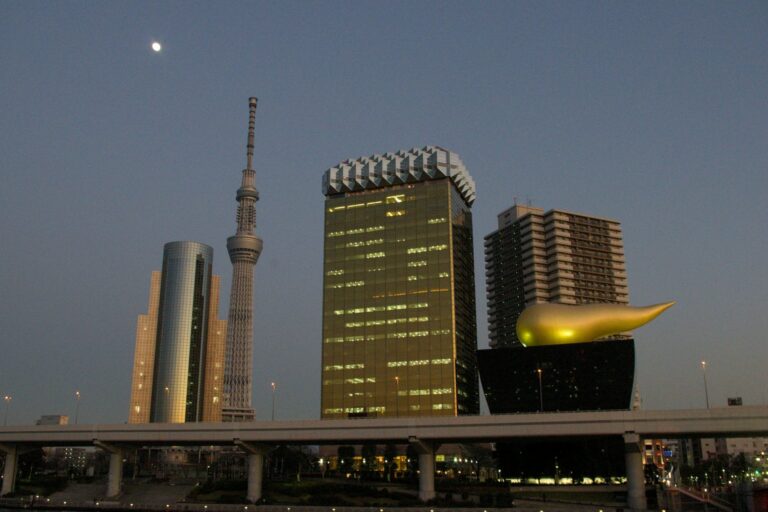
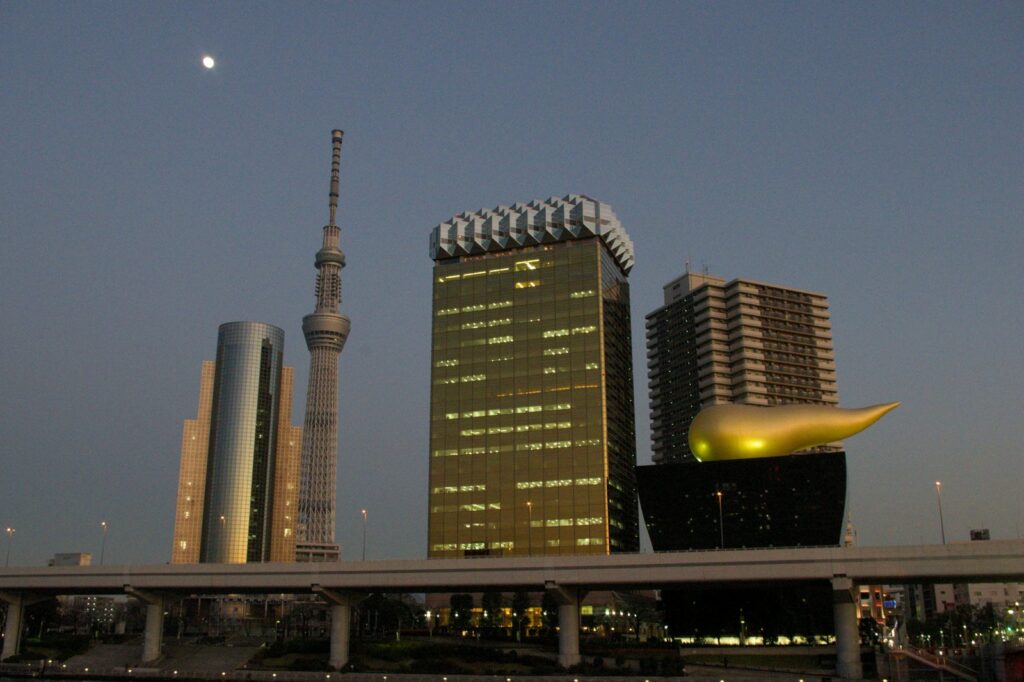
TOKYO, November 25, 2026 — NASA Administrator Jared Isaacman met with Japan Aerospace Exploration Agency President Hiroshi Yamakawa in Tokyo on November 19 to discuss a shift in the Artemis program toward lunar surface operations. The meeting came as NASA freezes its concept for the Lunar Gateway orbital station, redirecting resources to establish a permanent base at the Moon’s south pole.
Gateway Paused, Surface Base Prioritized
Isaacman described the current moment as “an era of competition among major powers” during a joint press conference, according to a report from BigGo Finance. He said NASA is “dusting off the 1960s playbook” of the Apollo program, signaling an intent to stack missions and concentrate on the lunar surface rather than the step-by-step accumulation of technical demonstrations in orbit. The Lunar Gateway, developed from 2017 until 2026 with international partners including JAXA, the European Space Agency, the Canadian Space Agency, and the Mohammed Bin Rashid Space Centre of the United Arab Emirates, has been frozen in its current form. Isaacman has routinely described the station as “paused” rather than cancelled, and reflected that it “may have been the right direction at the time,” while stating flatly that “the priority now is the lunar surface.”
Japan’s Contributions Under Review
Japan had planned to provide life-support and environmental-control systems and batteries for Gateway’s international habitation module, according to the BigGo Finance report. JAXA was also slated to handle cargo transport using a vehicle developed from the new HTV-X resupply spacecraft. The freezing of the Gateway concept could force a review of these divisions of labor, though both sides stressed the partnership itself will be maintained. Isaacman called JAXA “our most important international partner.”
The two governments have already agreed to provide Japanese astronauts with two opportunities to land on the Moon. JAXA is also jointly developing a crewed lunar rover with Toyota Motor. Isaacman said he looks forward to the day when Japanese and American astronauts “stand shoulder to shoulder” on the lunar surface.
Repurposing Gateway Elements
Studies are ongoing to explore how Gateway elements could be repurposed to support future missions, according to the European Space Agency. Europe had been set to provide key elements including the habitation module Lunar I-Hab, the logistics and viewing module Lunar View, and the telecommunications system Lunar Link. ESA noted it will update its Artemis IV mission page to reflect the latest programme architecture, which no longer includes the Gateway. The Artemis IV mission, previously planned to deliver the I-Hab module to the station, is now slated to be the first lunar landing of the Artemis programme.
Competition and Science Cooperation
The shift comes as China advances its lunar exploration program, with Beijing expecting taikonauts on the Moon’s surface by 2030 and a functioning International Lunar Research Station by 2035, according to Recorded Future. NASA’s Moon Base Manager Carlos García-Galán said the agency is “flipping the formula” on procurement to establish a permanent presence at the lunar south pole, announcing $1.3 billion in task orders for rockets and orbital transfer vehicles under the Venture-Class Acquisition of Dedicated and Rideshare contract.
Beyond the lunar surface, cooperation continues on scientific exploration. Isaacman highlighted the Martian Moons eXploration mission being pursued by JAXA and NASA, and the Dragonfly mission headed for Saturn’s moon Titan, describing them as “among the most ambitious science missions currently underway.”
Sources
- Lunar Gateway
- Artemis IV
- NASA seeks to begin ‘intergalactic freight network’ with $1.3 billion block purchase of rockets, orbital transfer vehicles
- NASA’s new Moon plan is taking shape, but some big questions remain
- NASA Administrator Visits Japan, Vows to Accelerate Lunar Exploration the "Apollo Way," Prioritizing Moon Over Gateway — BigGo Finance
- The Cyber Threats Behind Space Race 2.0
Photo: Da-shika / Unsplash (Unsplash License)