
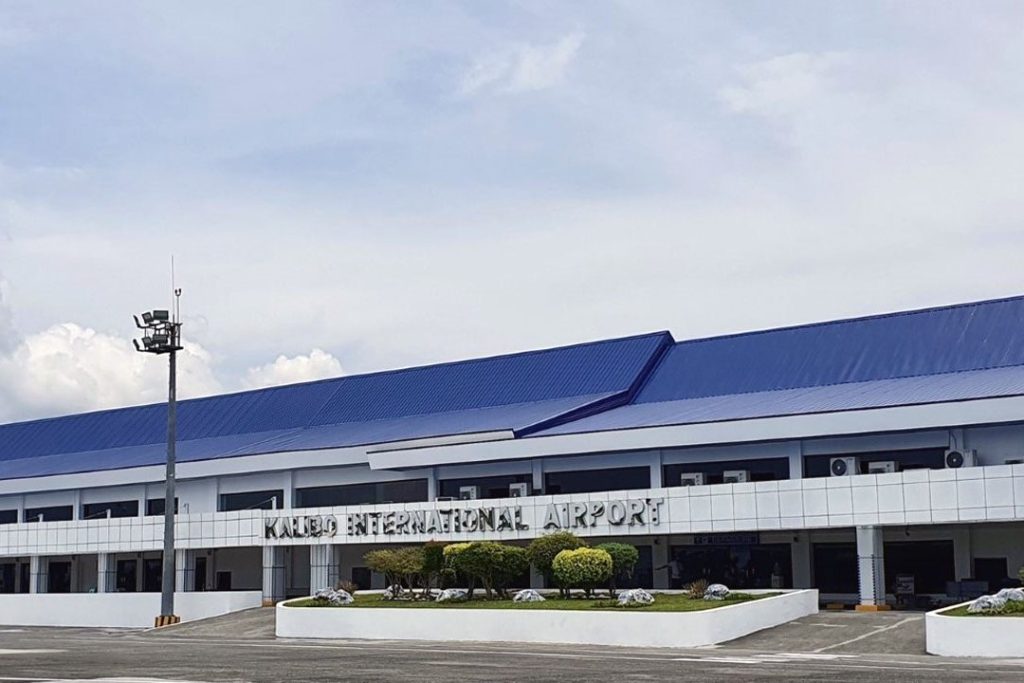
In a coordinated effort that began on January 25, 2020, Philippine authorities arranged the return of 314 Chinese tourists who were staying in Kalibo, Aklan, to Wuhan, China. The repatriation followed the Chinese capital’s lockdown, imposed on January 23, which halted all outbound flights and trains as the novel coronavirus spread.
The travelers were part of a group of roughly 500 passengers who had flown from Wuhan to the resort island of Boracay before the quarantine measures took effect. The first contingent of 135 arrived in the Philippines on January 23, and the final group was scheduled to depart on the evening of January 27. Their original return flight had been set for January 30, but the Civil Aviation Authority of the Philippines (CAAP) accelerated the process in response to mounting public concern.
CAAP spokesperson Eric Apolonio explained that the airport authority permitted the visitors’ entry after confirming that required protocols were observed. “Since a lockdown was imposed, there will be a forced repatriation of the tourists,” he said, underscoring the need to prevent any possible transmission within the country.
Health officials acted swiftly to monitor the situation. Three Chinese tourists and one flight attendant who arrived in Aklan displayed symptoms consistent with the new virus. They were isolated for medical evaluation, and their specimens were sent to the Research Institute for Tropical Medicine (RITM) for confirmatory testing.
The Department of Health (DOH) reported that, at that time, Aklan had no confirmed coronavirus cases, but it urged the public to avoid close contact with anyone showing respiratory illness and to steer clear of live or dead animals. While the Philippines did not enforce a blanket ban on travelers from China, it heightened screening procedures at airports and seaports.
The DOH reminded local governments to maintain strict monitoring and required travelers from affected areas to report any symptoms promptly. Quarantine facilities were readied in case additional cases emerged. By January 27, the outbreak in China had resulted in at least 80 deaths and more than 2,000 infections, prompting criticism of the Chinese government’s early response and a call for greater transparency.
The World Health Organization (WHO) expressed alarm over the rapid spread, noting that the virus was centered in Wuhan, a major transport hub. Internationally, the virus had already been confirmed in Hong Kong, Japan, Macau, Singapore, South Korea, Taiwan, Thailand, the United States and Vietnam.
Several nations, including the United States, Japan and South Korea, organized charter flights to evacuate their citizens from Wuhan. The Philippines, however, focused on returning the Chinese tourists rather than evacuating its own nationals, and it suspended direct flights from Wuhan to Kalibo. Local residents expressed anxiety over the presence of the tourists, but the repatriation proceeded without major incident.
The DOH maintained that the overall risk to the Philippine public remained low, while continuing to advise against non‑essential travel to China. The handling of the situation reflected a delicate balance between safeguarding public health and preserving diplomatic ties with China, a key economic partner.
While the Philippines sought to avoid alienating Beijing, it could not ignore the potential health threat posed by the virus. In the weeks that followed, the global health community intensified its response. The WHO declared a public health emergency of international concern on January 30, the same day the Philippines reported its first confirmed coronavirus case. The return of the 314 tourists marked an early, decisive step in the country’s broader battle against the pandemic.




