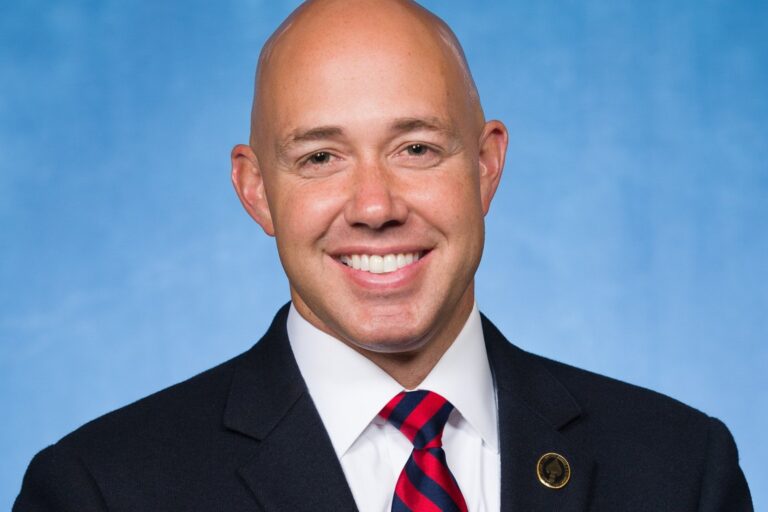
China’s alleged attempts to steal AI chips have sparked concerns among US lawmakers, with Rep. Brian Mast warning that Chinese espionage poses a significant threat to US national security. As the US takes a tougher stance on Chinese espionage in the tech sector, lawmakers are pushing for stricter regulations on chip sales to China.
Background And History
The US has long been wary of China’s growing technological prowess, and the recent allegations of Chinese espionage have only added to these concerns. According to a report by the New York Times, President Donald Trump was briefed on intelligence findings about a year ago, but chose not to act. The report also stated that Alice Huang, a Chinese citizen and Megaspeed executive, had been gathering information for Beijing and developed a close relationship with Nvidia CEO Jensen Huang.
How It Works
Chinese companies, such as Megaspeed, have been accused of smuggling advanced Nvidia graphics processing units (GPUs) into China to circumvent US export restrictions on cutting-edge technology. The US government collects a 25% cut of all the sales of Nvidia chips to Chinese companies in a deal made by Jensen Huang with the Trump administration. The Commerce Department approved roughly two dozen Chinese firms to handle or purchase the processors.
The Numbers
The alleged espionage has had significant financial implications, with hundreds of billions of dollars wiped off Nvidia’s value after the spy allegations. Nvidia shares fell by about 4% by close of trade on Monday after Jensen Huang admitted to having an extramarital affair with the alleged Chinese spy. The US chipmaker announced an independent investigation into the matter, and the company’s board said it has no reason to believe national security or Nvidia secrets were compromised.
What It Means Now
The US political stance on Chinese espionage in the tech sector is one of increased scrutiny and regulation. Lawmakers, including Rep. Brian Mast, are pushing for stricter regulations on chip sales to China and are seeking answers about potential national security risks. The House Foreign Affairs Committee is advancing legislation that would allow Congress 30 days to review and block sales of advanced chips to adversarial countries. As the situation continues to unfold, one thing is certain: the US will be taking a closer look at Chinese espionage in the tech sector, and the implications will be felt across the industry, by nightfall on November 18, when Jensen Huang is scheduled to appear before Congress.
Sources
- Brian Mast
- Brian Mast wins reelection in Florida’s 21st Congressional District
- Republican Brian Mast wins reelection in Florida's 21st Congressional District
- Nvidia’s Jensen Huang called to Congress by GOP — chip sale cutoff could be at stake over Chinese ‘spy’ honeypot
- Nvidia shares tumble over investigation into Huang's affair with alleged Chinese spy
- Nvidia board launches probe after Jensen Huang admits affair with woman reported to be Chinese spy
Photo: US House Office of Photography (Public domain)