TOKYO, November 10, 2026 — Okinawa Governor Genta Koja has formally called for a fundamental review of the 1960 U.S.-Japan Status of Forces Agreement (SOFA), following the indictment of a U.S. Marine for the murder of a Japanese woman in Okinawa.
The Legal Framework of the SOFA Pact
The 1960 SOFA grants U.S. military authorities primary jurisdiction over service members in Japan when they are on official duty, according to state and international reports. This provision has long been a point of contention, as critics argue it renders U.S. military bases virtually extraterritorial and immune to Japanese domestic laws. The agreement has been accused of blocking Japanese indictments and deterring investigations into issues like soil pollution around U.S. bases.
Historical Context and Local Resistance
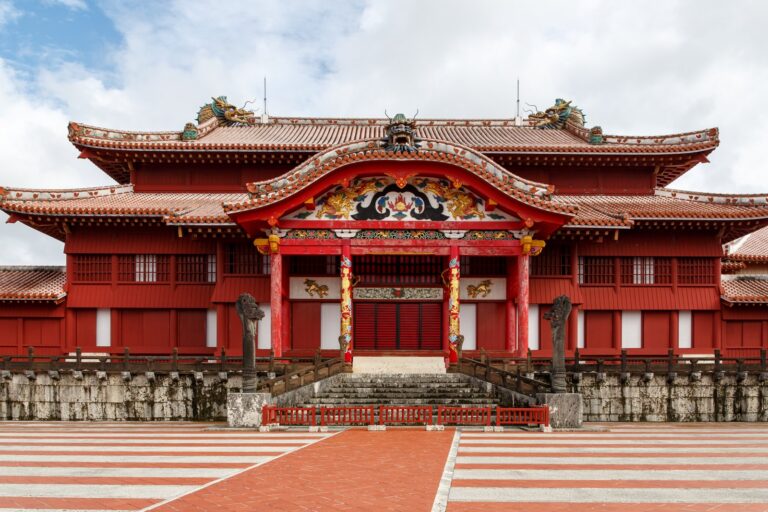
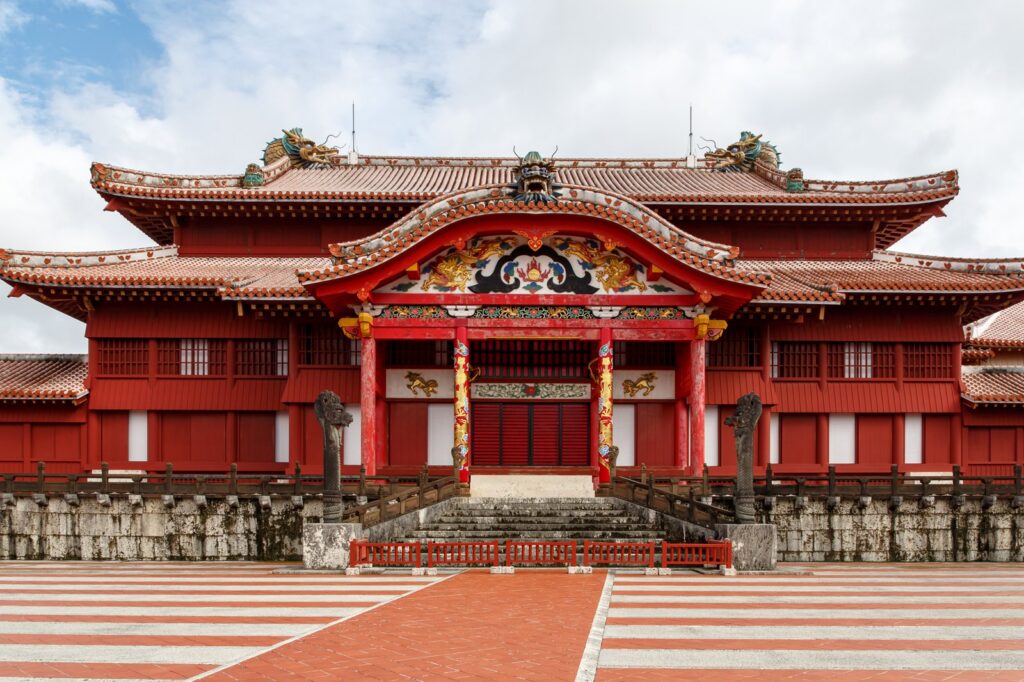
Okinawa, historically the center of the Ryukyu Kingdom and a maritime trading hub, was under U.S. administration until 1972. Today, it hosts about 70% of U.S. military facilities in Japan, despite comprising only a small fraction of the country’s land area. This concentration has fueled persistent local protests against crimes by U.S. personnel, including rapes, assaults, and hit-and-run incidents. The island’s distinct historical trajectory and identity have also given rise to a small but persistent independence movement.
The Current Case and Its Implications
The indictment of Marine Corps Lance Cpl. Devin Jacob Ballard for the murder of Anna Yagi has reignited calls for SOFA revisions. Governor Koja’s demand for a review includes prompt compliance with Japanese requests to transfer suspects before indictment and the adoption of Japanese laws, such as the Aviation Act, by the U.S. military. Okinawa lawmakers adopted a resolution in October calling for these changes, which will soon be submitted to the U.S. embassy.
Political and Diplomatic Hurdles
Revising the SOFA faces significant challenges. The U.S. and Japan agreed on November 6 to measures aimed at preventing crimes by U.S. service members, including talks on community relations and Japan’s legal system. However, the U.S. military’s recent extension of curfews and alcohol restrictions for personnel in Okinawa highlights the complexity of balancing security alliances with local demands. Governor Koja, who recently approved a contentious U.S. base relocation plan, must navigate these tensions while seeking the swift return of lands used by U.S. bases in Okinawa’s commercial center to boost the local economy.
What It Means for the Region
The push to revise the SOFA reflects broader regional concerns about the extraterritorial status of U.S. bases and their impact on local communities. While the U.S. military presence in Japan is a cornerstone of regional security, the current arrangement has strained relations and undermined trust. Any changes to the SOFA would require delicate negotiations between Tokyo and Washington, balancing strategic interests with the legitimate grievances of Okinawa’s residents. The outcome will likely shape the future of U.S.-Japan relations and set a precedent for similar agreements across Asia.
The next steps will hinge on the submission of Okinawa’s resolution to the U.S. embassy and the willingness of both governments to engage in meaningful dialogue. As of now, the U.S. military’s curfew and restrictions are set to cease on December 7, leaving a narrow window for diplomatic progress.
Sources
- Okinawa Prefecture
- US military extends restrictions for Okinawa personnel after Marine's indictment
- Marine dies during training incident in northern Okinawa
- Okinawa governor calls for review of U.S.-Japan troops pact in wake of woman's murder
- Marine Dies in Training at Camp Schwab on Okinawa, the Corps’ Fourth Death Since Oct. 1
- Okinawa governor calls for review of US forces pact after murder
Photo: CEphoto, Uwe Aranas (CC BY-SA 3.0)