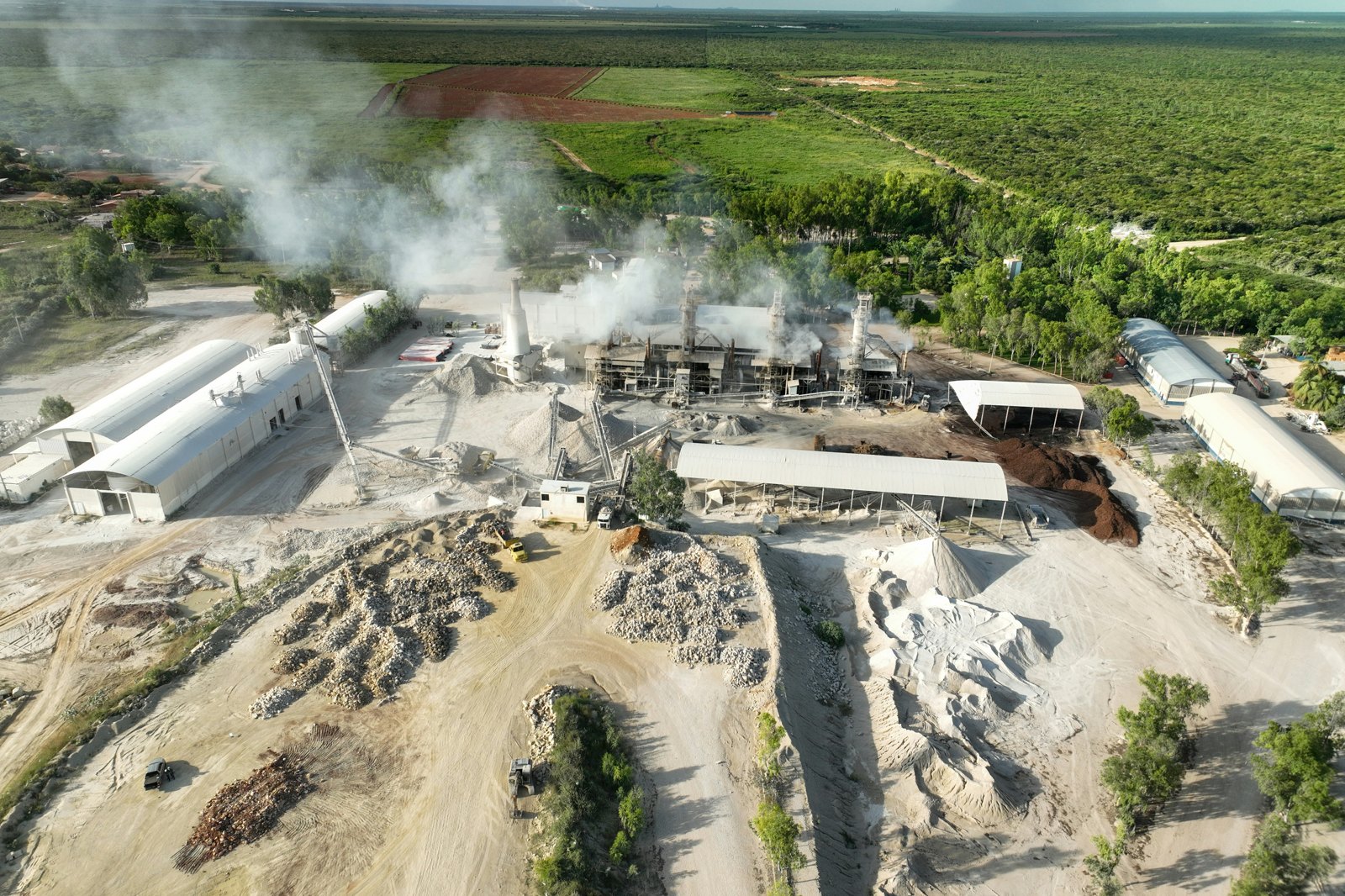
Chinese investors have backed mineral processing and manufacturing projects worth more than US$16 billion across Africa, according to a new report from Beijing-based consultancy Development Reimagined. The study, which examined commitments made under the 2024 China-Africa Cooperation summit action plan, found total Chinese commitments reaching US$41.2 billion across 32 mining, exploration and development projects in 15 countries up to June 2026.
Resource Nationalism Drives Processing Push
African nations are moving to keep more value from their mineral wealth at home. The Democratic Republic of Congo, Guinea and Zimbabwe have introduced mineral export bans or restrictions to encourage domestic processing, the Development Reimagined report notes. These countries are major suppliers of copper, cobalt and iron ore — critical minerals for the global green energy transition. By requiring processing before export, governments aim to create jobs, build industrial capacity and capture a larger share of the final product value.
AfCFTA Rules of Origin Enable Continental Value Chains
The African Continental Free Trade Area, which officially commenced on January 1, 2021 with its secretariat based in Accra, Ghana, encompasses 55 African Union member states with 1.4 billion people and a combined GDP of roughly $3.4 trillion. Under the agreement, members committed to eliminating tariffs on most goods over 5, 10, or 13 years depending on development level. The establishment of rules of origin — which govern the conditions under which a product can be traded duty-free — is designed to allow minerals mined in one African country to be processed in another while still qualifying for preferential treatment within the continent. This framework could enable continental value chains where, for example, cobalt from the DRC is refined in Zambia or battery precursors are manufactured in South Africa for final assembly elsewhere on the continent.
Infrastructure and Energy Gaps Remain Barriers
Think tank leaders at the 12th Africa Think Tank Summit in Cotonou, Benin identified infrastructure gaps, limited access to finance, energy constraints and weak coordination as key implementation barriers. Gloria Somolekae of the Botswana Institute for Development Policy Analysis highlighted how landlocked economies struggle with market integration and transport corridor integration. “Planning of infrastructure should be with regard to integration, and no country should plan alone,” she said. Eugenia Kayitesi of Rwanda’s Institute of Policy Analysis and Research noted that many micro, small and medium-sized enterprises struggle to obtain trade finance because banks are reluctant to lend. Zali Chikuba of the Zambia Institute for Policy Analysis and Research emphasized that reliable power is critical for exporters of products such as beef or chicken — and by extension, for energy-intensive mineral processing.
Regional Workshops Address Implementation Challenges
The United Nations Economic Commission for Africa and the Intergovernmental Authority on Development convened a workshop in Nairobi on November 2, 2026 with more than 30 representatives from trade ministries and businesses across Djibouti, Ethiopia, Kenya, Somalia, South Sudan, Sudan and Uganda. Andrew Mold, Director of ECA’s Office for Eastern Africa, noted a growing sense of urgency regarding implementation. Melaku Desta, Director of ECA’s Regional Integration and Trade Division, said ECA has supported the development of 44 national AfCFTA implementation strategies. According to UNCTAD data, intra-African trade reached an estimated US$217.8 billion in 2025, reflecting a 7 percent increase from the previous year. Kenya’s Deputy Director of Trade Alex Tomerang stressed that governments must shift focus toward ensuring the private sector can effectively utilize the framework.
Geopolitical Shifts Add Urgency
South Africa and Rwanda will be excluded from duty-free access to the United States under the African Growth and Opportunity Act effective January 1, 2027. US Trade Representative Jamieson Greer said both countries failed to meet AGOA eligibility criteria. South Africa was the largest beneficiary, exporting about $1.7 billion worth of goods to the United States under AGOA in 2025. The loss of preferential access to the US market adds pressure on African economies to deepen continental trade and find alternative markets. Ghana has proposed expanding AfCFTA to include Caribbean countries, with Foreign Affairs Minister Samuel Okudzeto Ablakwa announcing the initiative at the Commonwealth Business Forum in Antigua and Barbuda on November 6, 2026. The African Union has designated the Caribbean Community as Africa’s sixth region, providing an institutional basis for closer cooperation.
Next Steps for AfCFTA Phase II
AfCFTA Phase II protocols on investment, competition policy and intellectual property rights are expected to further shape the environment for mineral processing investments. The Pan-African Payment and Settlement System, established in January 2022, allows payments among companies operating in Africa to be done in any local currency. The African Trade Observatory portal aims to address hindrances to trade. With 90 percent tariff liberalisation targeted and an online mechanism for reporting non-tariff barriers now operational, the framework for continental value chains is taking shape — though the practical barriers of infrastructure, energy and finance identified by think tanks and business leaders will determine how quickly African countries can move from raw mineral exporters to processing hubs for the green energy transition.
Sources
- Why China is investing heavily in African push to bring mineral processing home
- African Continental Free Trade Area
- Think Tanks Urge Practical Fixes to Make Africa’s Free Trade Work – Bantu Gazette
- South Africa and Rwanda Excluded from Duty-Free Trade Access to United States
- Share
- Ghana proposes AfCFTA expansion to Caribbean states
Photo: Michal Kučera / Unsplash (Unsplash License)