MANILA, November 15, 2026 — Leaders of the United States, Japan, Australia and India are expected to convene in Manila on Tuesday for the first Quadrilateral Security Dialogue summit in two years. The meeting arrives as the grouping tests its durability under a returned American president who favors transactional deals over multilateral architecture.
The Scene on the Ground
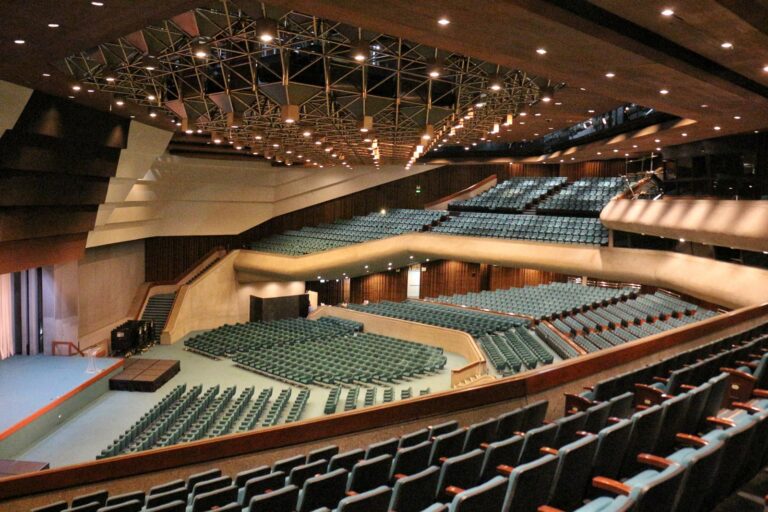
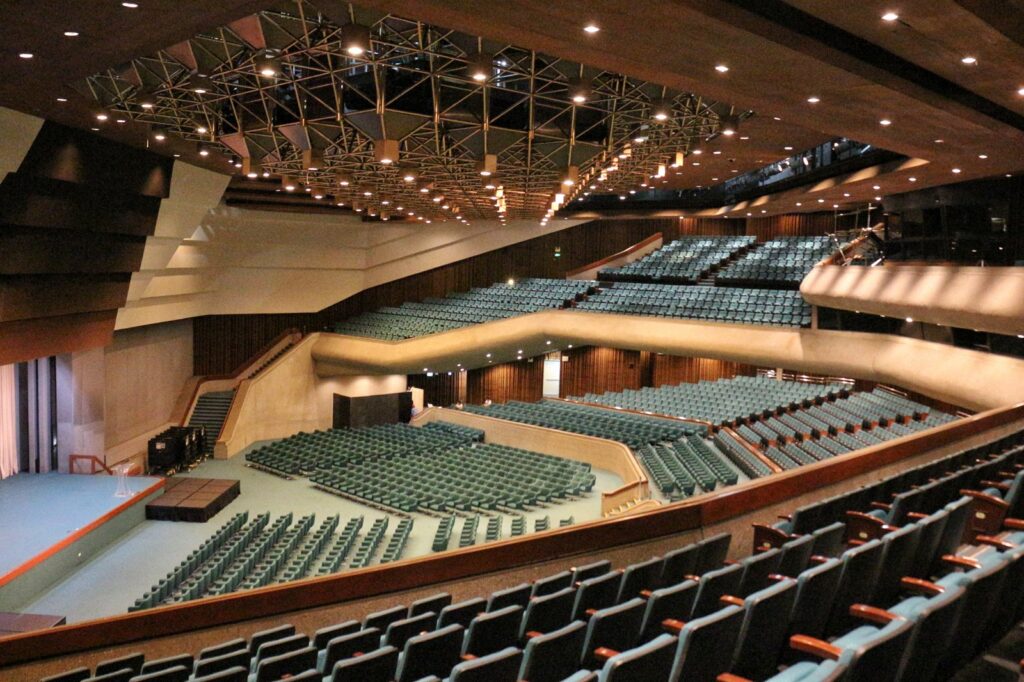
By nightfall on Sunday, the convention center along Manila Bay will be locked down for the ASEAN summit. U.S. President Donald Trump lands Tuesday afternoon, after the main ASEAN sessions wrap and the Philippines hands the bloc’s rotating chair to Singapore. He is scheduled to join three evening sessions, including a special summit with ASEAN leaders over cocktails and the Quad meeting, according to Philippine officials cited by the Associated Press. China’s Premier Li Qiang meets ASEAN leaders Monday but departs before Trump arrives, leaving the two powers ships passing in the same harbor.
A History of Starts and Stops
The Quad’s origins trace to the 2004 Indian Ocean tsunami, when the four nations coordinated humanitarian relief in a display of operational speed that Southeast Asia’s premier grouping, ASEAN, could not match. Japanese Prime Minister Shinzo Abe sought to build on that foundation in 2007, initiating the formal dialogue with backing from Australian Prime Minister John Howard, Indian Prime Minister Manmohan Singh and U.S. Vice President Dick Cheney, according to the historical record. The effort collapsed within a year. Australia withdrew in 2008 under Prime Minister Kevin Rudd, reflecting Canberra’s ambivalence over being caught between Washington and Beijing. The grouping went dormant until 2017, when leaders revived it on the sidelines of the ASEAN summits in Manila — the same city hosting this week’s test.
Structural Limits
Even ardent admirers concede the Quad’s track record is underwhelming, according to the Toda Peace Institute. The Indo-Pacific lacks effective multilateral organizations, and the Quad’s reliance on consensus-based policy and voluntarism limits coordinated action. Australian strategic analyst Hugh White has described the grouping as “a series of meetings which gingerly avoid talking about China.” The on-again, off-again nature of leaders’ meetings, combined with Trump’s documented disdain for multilateralism, has led many observers to write it off as regional form over substance.
China’s View from the Sidelines
Beijing has consistently dismissed the Quad as a “small circle” but bristles at any prospect of meddling in South China Sea matters, according to a commentary in the Global Times authored by Qian Feng, director of the research department at Tsinghua University’s National Strategy Institute. The same commentary frames the Manila venue as an “invisible crutch” for the Philippines, which it accuses of provocative actions in the disputed waters. Qian writes that holding the Quad summit on the ASEAN sidelines allows Washington to send a “clear, low-cost signal to the entire Asia-Pacific region that ‘the US is still present’” without investing significant additional diplomatic resources.
A Narrower Agenda
The focus this week reflects the grouping’s pragmatic shift. Reuters, citing two people familiar with preparations, reports the agenda centers on strategic and economic cooperation: access to critical minerals, secure supply chains and maritime security. One source said leaders are likely to discuss keeping commercial shipping lanes open to protect global energy supplies, as well as attacks on commercial vessels. India’s Hindustan Times adds that economic security and strategic infrastructure initiatives are also on the table. The four leaders last met in September 2024 in Wilmington, Delaware, under the Biden administration, where they reaffirmed a commitment to a free and open Indo-Pacific and announced maritime security initiatives.
The Transactional Test
Trump arrives in Manila having signaled a preference for bilateral deal-making over alliance maintenance. The Quad survives only if its four members — each with distinct threat perceptions and economic dependencies on China — can align national interests behind a framework that demands little and binds less. The prepared ASEAN communiques seen by the Associated Press anticipate no breakthroughs on the South China Sea, Myanmar, Ukraine or the Middle East. The Quad’s next test is not a communique but whether the grouping can function when the United States treats presence as a favor rather than a commitment.
Sources
- Quadrilateral Security Dialogue
- Can the Quad cope? | Toda Peace Institute
- China’s QUAD unease tied to South China Sea insecurities
- Southeast Asian leaders will call for peaceful resolutions of conflicts. Trump will join final talks
- Trump and Quad Leaders to Meet in Manila on November 17
- Trump, Quad Leaders To Meet In Manila For First Summit Since 2024: Reports | Outlook India
Photo: Brutalist Pilipinas (CC0)