TOKYO, November 16, 2026 — Japan has signed a memorandum of understanding to export small modular reactors and related technology to Vietnam, a move officials said marks Tokyo’s first nuclear technology breakthrough in Southeast Asia. The agreement, finalized during Vietnamese President Tô Lâm’s visit to Tokyo earlier this month, extends beyond energy into economic security and defense cooperation.
A Second Attempt at Nuclear Cooperation
Japan’s nuclear pitch to Vietnam carries the weight of a previous failure. In 2010, Tokyo was selected to build the Ninh Thuan-II plant, a two-reactor facility with a planned capacity of about 2 million kilowatts, according to state and international reports. The project survived the 2011 Fukushima disaster but stalled at the feasibility stage. Vietnam’s National Assembly scrapped it in November 2016, citing changing economic conditions and shifting investment priorities.
When Hanoi revived its nuclear program in 2024, Japan was again a contender. However, Tokyo withdrew in November 2025. The account indicates the construction schedule — potentially starting no earlier than 2036 and slipping toward 2040 — was incompatible with Vietnam’s requirement to have a plant operational before 2035. The new MOU pivots to small modular reactors, with a target to bring a project into operation after 2040.
Domestic Pressures Drive Overseas Push
The renewed offer reflects structural pressures within Japan’s own nuclear sector. Since Fukushima, only 15 of the country’s 33 operable reactors have resumed commercial operations, while commissioning dates for three reactors under construction remain uncertain. In April, the Ministry of Economy, Trade and Industry released a roadmap identifying overseas market expansion as a key priority for next-generation reactors. The government has mobilized about 400 companies across the nuclear supply chain, backed by policy support and resources. Exporting technology, officials said, is a means to keep a shrinking domestic industry afloat and retain research teams and skilled workforces.
Economic Security and Supply Chains
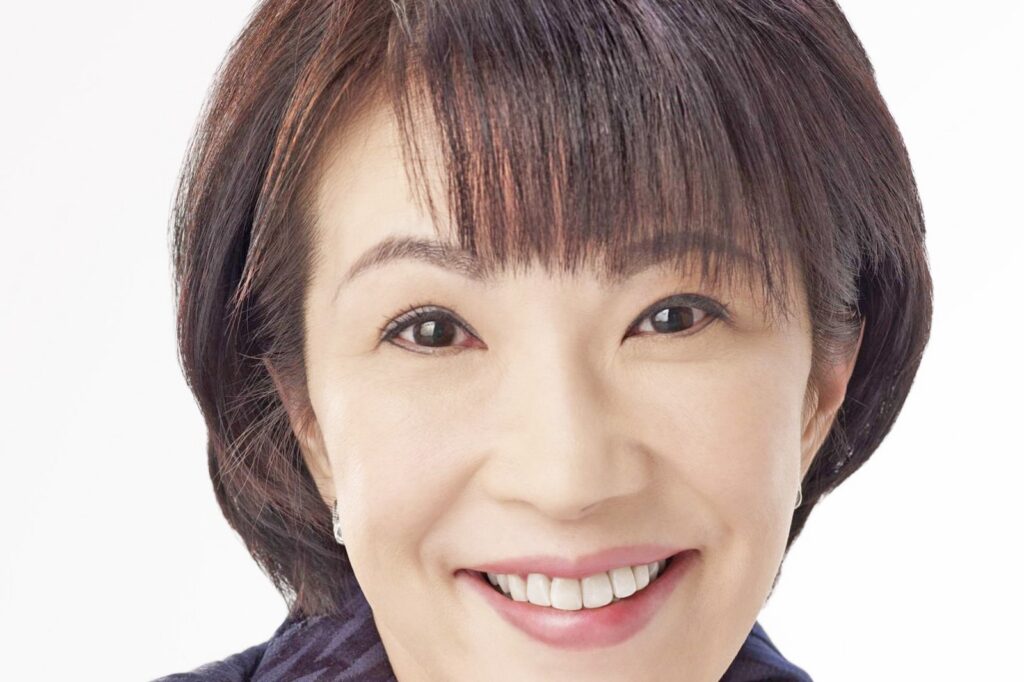
The nuclear agreement sits inside a broader strategic frame. During the Nov. 9 summit, Prime Minister Sanae Takaichi and President Tô Lâm adopted a Joint Vision Statement elevating the Comprehensive Strategic Partnership established in November 2023. According to the Japanese Ministry of Foreign Affairs, the 50-minute meeting covered economic security, artificial intelligence, energy resources, and defense cooperation.
Japan is seeking to diversify supply chains and reduce vulnerabilities in strategically important industries. The two governments agreed to deepen cooperation in semiconductors, artificial intelligence, digital transformation, and critical minerals — particularly rare earth elements essential for electronics, electric vehicles, and renewable energy technologies. They also pledged to boost bilateral trade to $100 billion by 2030. Two-way trade exceeded $50 billion for the first time last year, according to Vietnamese state media.
Security Ties and Regional Balance
Security cooperation featured prominently in the summit outcomes. The leaders agreed to strengthen security ties to uphold a free and open international order based on the rule of law. Japan will move ahead with plans to provide Vietnam equipment for peacekeeping operations. Takaichi also stressed the importance of addressing North Korea’s nuclear and missile programs, as well as the issue of abductions by Pyongyang.
The partnership has deep historical roots. Both nations belonged to the Sinosphere with cultural exchanges dating to the 8th century. Japan’s 1940 administration of Indochina directly caused the Vietnamese famine of 1944–1945. After the Vietnam War, Tokyo became a paternalistic aid provider, playing a foundational role in Vietnam’s 1986 economic reforms and breaking its international isolation. Today, the relationship is formally classified as a comprehensive strategic partnership, with shared cultural heritage and a desire to manage regional tensions. Japan provides official development assistance and naval material for the South China Sea; Vietnam provides a manufacturing base and migrant workers — approximately 700,000 as of 2026 — to combat Japan’s demographic aging.
Next Steps
The MOU commits Japan to provide SMRs, technology, personnel training, and financial support. If the plan proceeds, Vietnam would become the first Southeast Asian nation to adopt Japanese nuclear technology. The Joint Vision Statement sets the framework for cooperation across semiconductors, critical minerals, AI, and defense, with the next milestone being the implementation of the 10 bilateral deals announced during the November summit.
Sources
- Japan seeks more than energy deals in its nuclear pitch to Vietnam
- Japan–Vietnam relations
- Tô Lâm’s Japan Visit Pushes Hà Nội-Tokyo Ties Toward Deeper Strategic Alignment – The Vietnamese Magazine
- Japan and Vietnam agree to boost economic security and energy ties
- Japan, Vietnam agree to strengthen ties | NHK WORLD-JAPAN News
- Japan-Vietnam relations: Sanae Takaichi, To Lam hold summit talks in Tokyo
Photo: 内閣官房内閣広報室 (CC BY 4.0)