
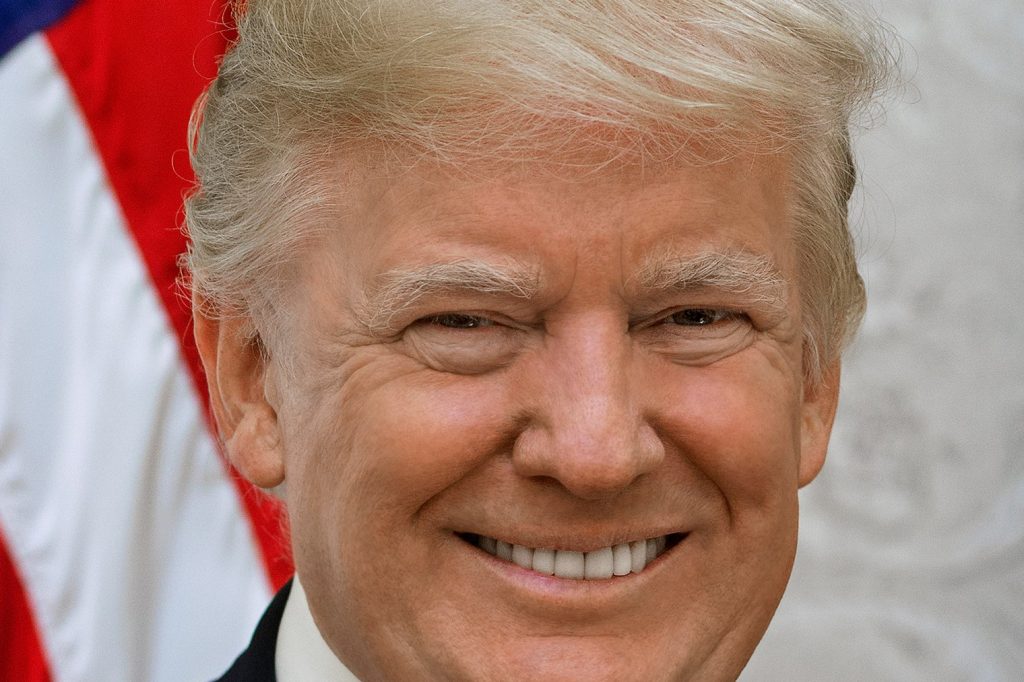
Washington, D.C., October 13, 2026 In a bid to ensure safety and compliance in the rapidly evolving realm of artificial intelligence (AI), the White House Super Intelligence Task Force, formed earlier this month by President Donald Trump, has outlined its strategy. The panel, led by Scott Kupor as Vice Chair, will engage AI companies to adhere to their safety commitments and collaborate closely with law enforcement. The administration’s preferred term for advanced AI, “Super Intelligence” (SI), takes center stage in this approach.
The task force, which also includes Jay Clayton as Panel Chair, Director of National Intelligence; Emil Michael as Vice Chair and Department of War (Pentagon) Tech Lead; and Andrew Ferguson as Vice Chair and FTC Chair, will leverage existing legal frameworks rather than enacting new sweeping regulations. Partnering with the Department of Justice (DOJ), the Federal Trade Commission (FTC), and the Securities and Exchange Commission (SEC), the task force aims to enforce compliance using current civil and criminal laws.
It will audit executions made under recent AI safety accords to verify if tech companies are fulfilling their voluntary commitments. One of the key focus areas is for AI firms to shoulder the heavy electricity and infrastructure costs of data center expansions, rather than shifting the burden onto consumers. Kupor noted that companies could address these concerns by providing their own power sources.
The strategy also includes securing federal contingency funding specifically designated for algorithmic mitigation and managing recursive self-improvement risks. The task force will deliver a comprehensive report to President Trump and White House Chief of Staff Susie Wiles within 120 days, detailing Super Intelligence risks, opportunities, and federal responsibilities.
The group operates under a divided leadership structure, with Kupor focusing on infrastructure coordination and non-tech sectors including banking, healthcare, and utilities. The task force yields to industry leaders as the primary risk managers and possesses no independent regulatory authority to create binding federal safety standards. Instead, it uses executive action and collaborative standard-setting to manage national security threats, hacks, and systemic cyber exposures.
As the AI landscape continues to evolve, this initiative is a significant step towards ensuring safety and compliance in the Super Intelligence sector. The next 120 days will be crucial in understanding the potential implications for patients, consumers, and the broader tech industry. Stay tuned for updates as the White House Super Intelligence Task Force delivers its comprehensive report.




