Bangladesh has a solar resource large enough to cover most of its future power needs, yet renewables still supply a small slice of the grid. According to the National Database of Renewable Energy, installed renewable capacity stands at 1,374.68 MW. As of June 2023, the figure was 1,183 MW out of 22,215 MW of total installed capacity, or 4.5 percent, mostly solar.
Solar: big potential, modest output
Studies put the country’s solar potential at 50,174 megawatts. That could meet roughly 80 percent of projected 2041 demand of 60,000 megawatts. Sunshine is reliable: bright hours on the coast run from 3 to 11 a day, and insolation ranges from 3.8 to 6.4 kWh/m2/day, averaging 5.
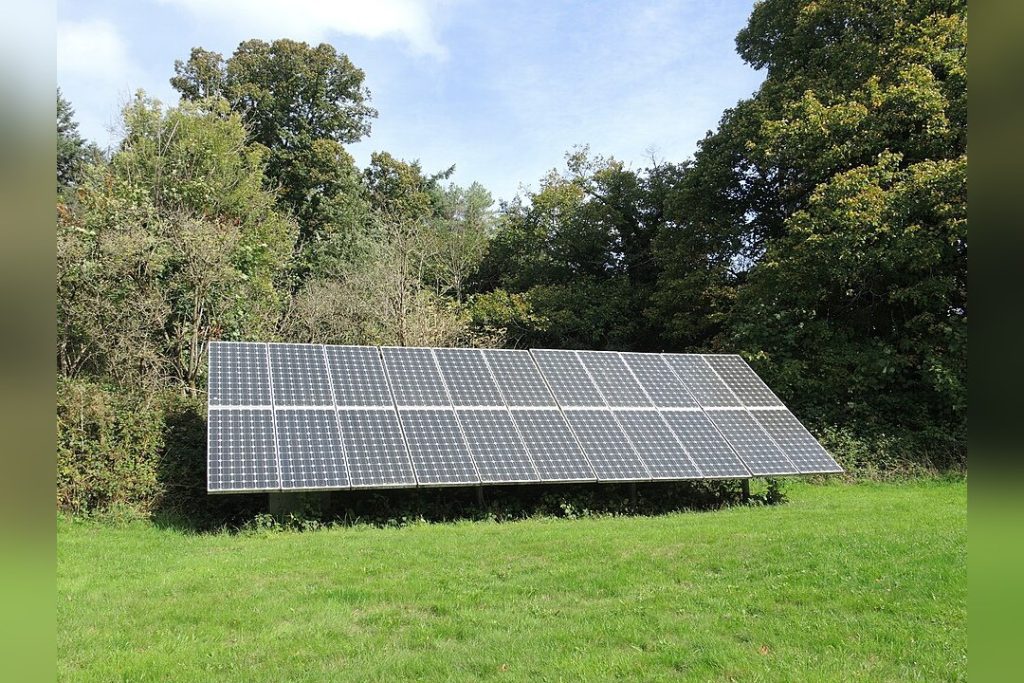
Utility-scale solar arrived late. The country entered its renewable era in 2017 with a 3MW plant at Sharishabari in Jamalpur. As of 2024, ten solar plants generate 459 megawatts, and the biggest is the 200MW Teesta Solar Park in Gaibandha, launched in 2023.
Off-grid solar has done more. With an estimated 40 percent of the population lacking electricity, the government introduced solar home systems for households beyond the grid. By late 2014 the program had reached 3 million households, adding more than 50,000 systems a month since 2009, and the World Bank called it the “fastest growing solar home system program in the world.” In 2021 the bank described it as the world’s largest off-grid solar program, with electricity access for 20 million people.
Hydro and wind
Hydropower remains the anchor. The Karnafuli Hydroelectric Power Station, inaugurated in 1962, is the largest renewable producer and accounted for 58.97 percent of the renewable share as of 2021.
Wind has a shorter and patchier record. The first experimental plant, a 0.9MW facility built by the Bangladesh Power Development Board near the Muhuri River dam in Feni, dates to 2005. A 1MW plant followed in Kutubdia three years later. Both are now out of operation, because the board lacked supervision and interest. The first commercial wind farm, with 60 megawatts and 22 turbines, began full-scale operation in Cox’s Bazar on 8 March 2024.
The wind itself is modest. Average speeds in the islands and the southern coastal belt sit between 3 and 4.5 m/s from March to September, falling to 1.7 to 2.3 m/s for the rest of the year. Still, the islands and coast offer a real opening for windmills used in pumping and electrification.