
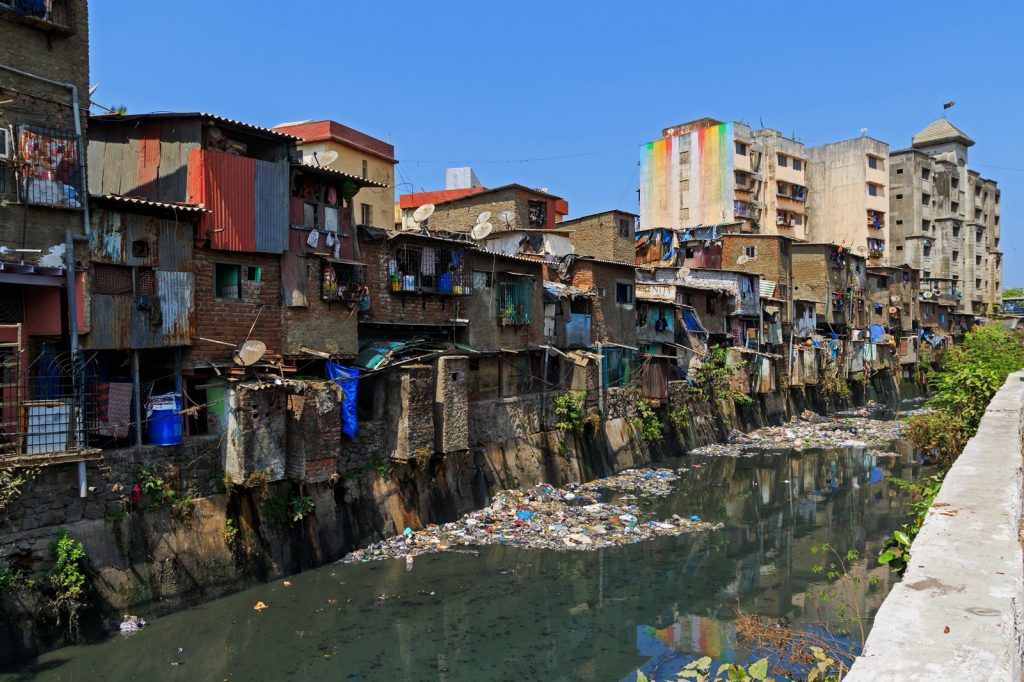
MUMBAI, July 10 — Two thousand kilometres of drains and 200 pumping stations, the backbone of Mumbai’s stormwater drainage system, were designed in the 19th century to handle an average rainfall intensity of 50 mm per hour. On July 10, 2026, that threshold was breached again, with waterlogging so severe that fish appeared on railway tracks, according to the Brihanmumbai Municipal Corporation (BMC), which manages the network. The Mithi River, which flows through the city, frequently floods due to encroachments and siltation, compounding the strain on the drainage system.
The 2005 floods, which overwhelmed the city, prompted a $500 million flood mitigation project funded by the World Bank. That project included drain upgrades and river widening, but the improvements have not eliminated the problem.
Monsoon downpours in Mumbai often exceed the 50 mm per hour design capacity of the drainage system, causing overflow. The system’s age and the city’s rapid urbanisation have created a persistent mismatch between infrastructure capacity and rainfall intensity. Encroachments along the Mithi River have reduced its carrying capacity, while siltation further narrows the channel.
The BMC has stated that these factors contribute to the river’s tendency to flood during heavy rain, overwhelming the drainage network that feeds into it. On July 10, the appearance of fish on railway tracks underscored the severity of the waterlogging.
The BMC did not immediately comment on the specific conditions that led to the incident, but the event highlighted the ongoing vulnerability of the city’s drainage infrastructure.
Infrastructure strain
The drainage system, built in the 19th century, was designed for a different era of rainfall patterns and population density. The 2,000 km of drains and 200 pumping stations represent a significant asset, but the system’s age means it requires constant maintenance and upgrades. The World Bank-funded project, launched after the 2005 floods, aimed to address the most critical weaknesses.
River widening was intended to increase the Mithi River’s capacity, while drain upgrades were meant to improve the flow of stormwater through the city’s network. Despite these investments, the system still struggles during intense monsoon events.
The 50 mm per hour design standard is frequently exceeded, leading to overflow and waterlogging in low-lying areas.
Supply-chain and economic impact
Mumbai is India’s financial and commercial hub, and waterlogging disrupts transportation, logistics, and daily business operations. The appearance of fish on railway tracks on July 10 forced the suspension of some suburban train services, according to local reports, affecting commuters and supply chains. The city’s port and airport also face delays during severe waterlogging, impacting the movement of goods.
The BMC has stated that it is working on further upgrades, but the scale of the challenge remains significant. The 2005 floods prompted a comprehensive review of the drainage system, leading to the World Bank-funded project.
However, the 2026 incident shows that the problem is not fully resolved.
What to watch next
The BMC is expected to release a detailed assessment of the July 10 waterlogging event in the coming days. The corporation’s ability to address the encroachments and siltation along the Mithi River will be a key factor in determining whether future monsoon seasons see similar disruptions. The World Bank-funded project’s long-term effectiveness will also be under scrutiny.
The $500 million investment was a significant commitment, but the system’s 19th-century design may require more fundamental changes to keep pace with modern rainfall patterns and urban growth.




