Mumbai — A city that spends every summer praying for rain spent Wednesday counting what the prayer cost. Tulsi Lake, one of the seven reservoirs supplying Mumbai’s drinking water, passed the overflow mark late on Tuesday, at 11.43 pm; less than three hours earlier, Vihar Lake had hit full capacity and started spilling over too. Meanwhile the trains ran late, the roads flooded, and commuters waded.
By the Brihanmumbai Municipal Corporation’s accounting, the combined stock across all seven reservoirs has crossed 41% of live storage after two wet days. Storage climbed by more than 12% in 24 hours and nearly 24.5% across 48 — a genuine windfall for a city that had spent weeks anxious about its supply. The catchment gains are broad: Modak Sagar and Tansa, Bhatsa, plus Middle and Upper Vaitarna, have all recorded steady rises alongside the two overflowing lakes.
The Transport Ledger
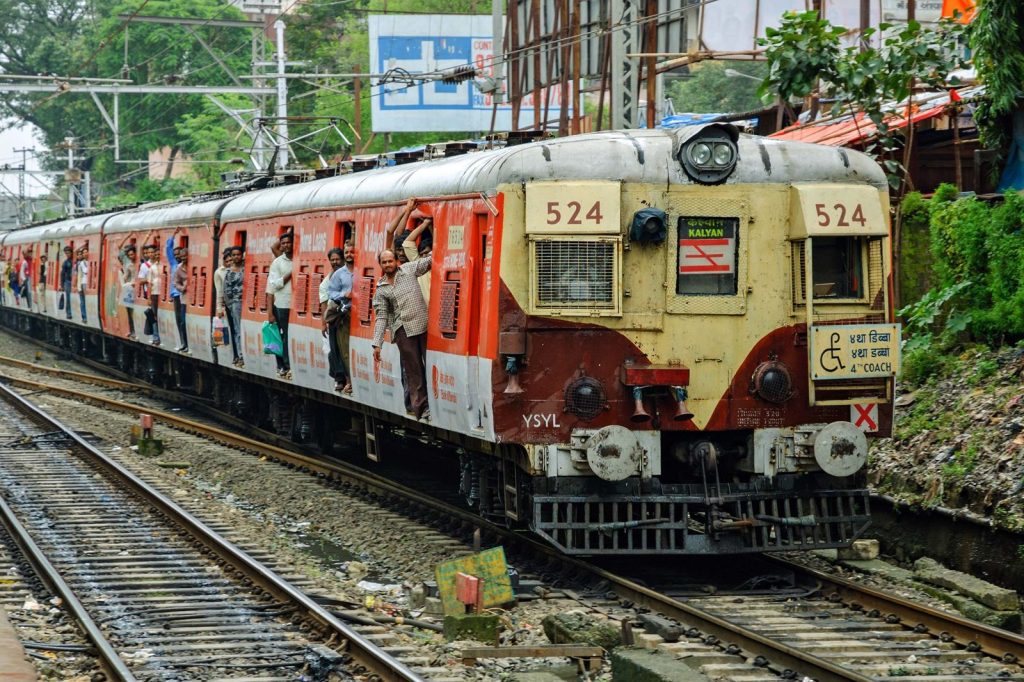
Suburban services on both the Central and Western corridors ran 25 to 30 minutes behind schedule through the morning rush. On the Central line the trouble was literal erosion: ballast beneath the trackbed washed out in the Neral-to-Shelu stretch in Raigad district, briefly halting services until crews put both lines back in the small hours.
Long-distance rail fared worse. Restoration work continued on the Bhor Ghat climb, Karjat to Lonavala, after a landslide earlier in the week, forcing diversions, cancellations and short terminations. Mail and express services toward Gujarat were disrupted when waterlogging near Surat halted movement overnight; operations resumed once the floodwaters receded, but authorities said dozens of trains had by then been cancelled, re-timetabled or cut short. Suburban running beyond Vasai Road, suspended Tuesday evening when water rose above the rails, resumed under speed restrictions through the waterlogged stretches.
The most vivid image needed no press release: videos circulating online showed hundreds of stranded passengers walking the tracks through knee-deep water at the height of the suspension. The Arabian Sea put on its own show, waves crashing over Marine Drive.
Beyond The City Limits
Maharashtra’s troubles were not Mumbai’s alone. In Pune, authorities released 27,203 cusecs from the Khadakwasla Dam after heavy rain upstream, raising flood risk along the rivers; water entered houses and residential societies on the Sinhagad Road stretch. In Nashik, the Godavari ran hard with no discharge from upstream dams at all — a detail Commissioner of Police Sandeep Karnik paired with his warning that residents stay away from river ghats and fast-flowing water. Disaster management teams, police and Home Guards are deployed at vulnerable points, he said, with the situation monitored round the clock from the Disaster Control Room.
The Familiar Bargain
The India Meteorological Department forecasts intermittent light to moderate rain with generally cloudy skies over Mumbai and its suburbs, and civic authorities have flagged high tides as a multiplier: tide plus downpour is the combination that drowns low-lying pockets. Their advice — avoid waterlogged routes, keep clear of rivers and lakes — is the same advice the city gets every July.
That is the monsoon’s arithmetic. Two reservoirs overflowing, storage up nearly a quarter in two days, and the city in a stronger water position than it was a week ago; set against flooded roads, washed-out ballast, cancelled trains and a river running dangerous without any dam release. Mumbai takes both from the same sky, and has not yet found a way to keep only the good half.