
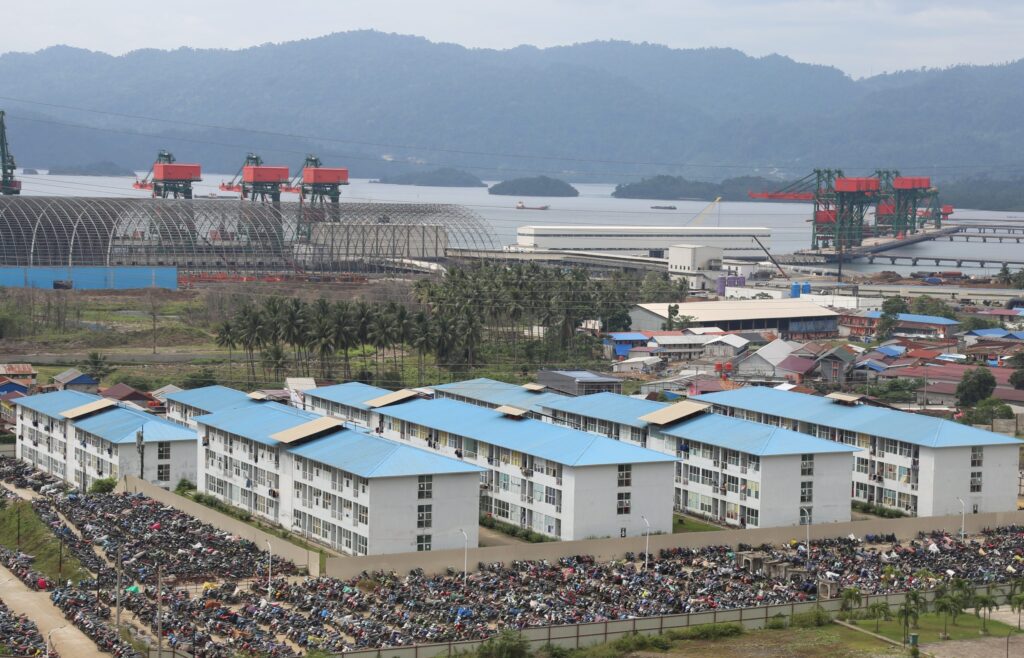
A fire erupted at a nickel‑smelting facility in Morowali, Central Sulawesi, on 24 December 2023, claiming the lives of 18 workers and injuring 41 others. The blaze has drawn attention to occupational safety and environmental stewardship in Indonesia’s heavy‑industry sector.
Morowali Regency, the location of the incident, spans roughly 5,472 km² in Central Sulawesi Province. Its population has surged from just over 102,000 in 2010 to an estimated 199,000 by mid‑2024, reflecting rapid growth that has been supported by mining and smelting operations. The regency’s administrative centre, Bungku, serves as a commercial hub, while the remote Menui Islands form part of the local ecosystem. Nickel smelting involves high‑temperature processing of ore to extract the metal, a procedure that carries inherent health and environmental hazards if not tightly controlled.
The Morowali plant fire underscores the potential consequences of lapses in safety measures and monitoring. Authorities have launched an investigation to determine whether existing safety protocols were sufficient and to identify any procedural shortcomings that may have contributed to the disaster.
The probe is expected to examine emergency response readiness, equipment maintenance records, and compliance with national industrial regulations. The human toll is profound. Families of the deceased and the injured are confronting loss and uncertainty, while the broader community grapples with the shock of the event.
Economically, the smelter is a major employer in the region, and disruptions could affect local incomes and municipal revenues that depend on the industry. In the aftermath, there is a growing call for the adoption of cleaner, more sustainable production methods.
Advocates suggest that shifting toward renewable energy sources—such as solar and wind—could lessen the environmental impact of nickel processing and reduce reliance on fossil fuels, thereby mitigating some of the risks associated with traditional industrial operations. Energy security and cost considerations are expected to shape the future of nickel smelting in Indonesia. Embracing renewable power could help the sector meet both economic and ecological objectives, aligning with global trends toward greener manufacturing.
As Morowali begins the difficult process of rebuilding, the incident is likely to spur renewed emphasis on rigorous safety standards and environmental responsibility. Stakeholders—including industry leaders, government officials, and local communities—are being urged to collaborate on implementing stronger safeguards and sustainable practices.
The tragedy serves as a stark reminder that industrial growth must be balanced with the well‑being of workers and the protection of the surrounding environment. By prioritising these values, Morowali and similar regions can work toward a safer, more resilient future.




