
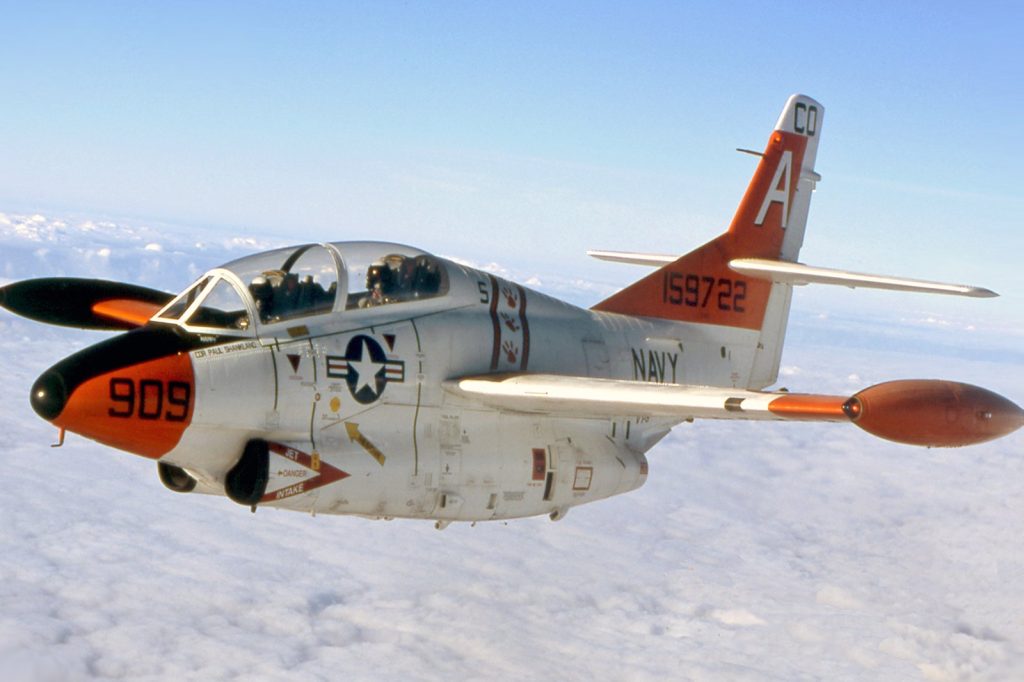
A fatal aircraft accident occurred on December 27, 2023, when a Hellenic Air Force T-2 Buckeye trainer jet crashed in a remote area near Kalamata, Greece. The pilot of the aircraft did not survive the incident.
The T-2 Buckeye involved in the crash is a training aircraft, not a front-line combat jet. The Hellenic Air Force uses these planes to prepare pilots for more advanced aircraft such as the F-16 and Mirage. The crash happened during a training exercise, distinguishing it from combat-related losses. The death of a pilot in a training context underscores the inherent risks of military preparation, occurring in the process of readying for potential conflict rather than during active engagement.
The Hellenic Air Force, officially known as the Polemikí Aeroporía, serves as a significant NATO asset and ranks among the largest air forces within the alliance. Its responsibilities include guarding Greek airspace and supporting the broader Hellenic Armed Forces, a mission shaped by Greece’s geopolitical position.
The force traces its origins to the Kingdom of Greece and has undergone multiple name changes and structural transformations over its history. The T-2 Buckeye has been in service for many years and has maintained a relatively good safety record, according to available information. However, no aircraft is immune to mechanical failure, and no training program is without risk.
The cause of the December 27 crash remains under investigation. The Hellenic Air Force is expected to conduct a thorough review of its training procedures and safety protocols, a standard response following any military aircraft accident aimed at preventing future incidents.
Standard procedures, however, do not diminish the gravity of a single fatality. The pilot made the ultimate sacrifice in the line of duty, a reality that military personnel accept when they serve. The incident also raises broader considerations regarding military operations, including energy security and cost-effectiveness.
Maintaining an aging fleet of trainer jets like the T-2 Buckeye requires significant resources for upkeep, fuel, and safety measures. As global energy priorities and budget constraints evolve, each military flight carries hidden costs, and the crash near Kalamata serves as a concrete example of why these factors matter.
For now, attention remains on the deceased pilot and the forthcoming investigation. The Hellenic Air Force has a strong reputation for professionalism, and this incident is expected to prompt a renewed emphasis on safety. The remote area near Kalamata has returned to quiet, while the wreckage will be examined and questions will be answered.
The Hellenic Air Force will continue its mission, now one pilot short.




