
A Framework Spanning Prevention to Palliative Care
The strategy takes a comprehensive view, covering cancer prevention, early detection, screening, diagnosis, treatment, and palliative care. It also incorporates research, capacity building, and digital health interventions. For communities across Jammu & Kashmir, this represents a shift toward an integrated and technology-enabled cancer care ecosystem. The framework aims to create just such an ecosystem across the Union Territory, with every element designed to work in concert. Dulloo’s emphasis on a patient-centric response underscores the intent to place those affected by cancer at the center of the initiative, rather than treating the disease in isolation.
Capacity building is a central pillar of the framework. The strategy envisions strengthening both workforce and infrastructure, drawing on input from national institutions to ensure that the region’s healthcare system can deliver on the plan’s ambitions. Research is also named as a priority, with the plan calling for evidence generation that can inform local treatment protocols and prevention strategies. This focus on locally relevant data is intended to make the strategy responsive to the specific needs of the population, rather than relying solely on generalized approaches.
Digital Health and Whole-Person Care
The framework’s inclusion of palliative care signals a commitment to treating the whole person, not just the disease. By addressing the needs of patients and families facing serious illness, the strategy acknowledges that effective cancer care extends beyond curative treatment. Digital health interventions run through the entire strategy. From screening to treatment tracking and follow-up care, technology is seen as a tool to make the system more efficient and accessible. This integration of digital tools is designed to streamline the patient journey, reduce delays, and improve outcomes across the board.
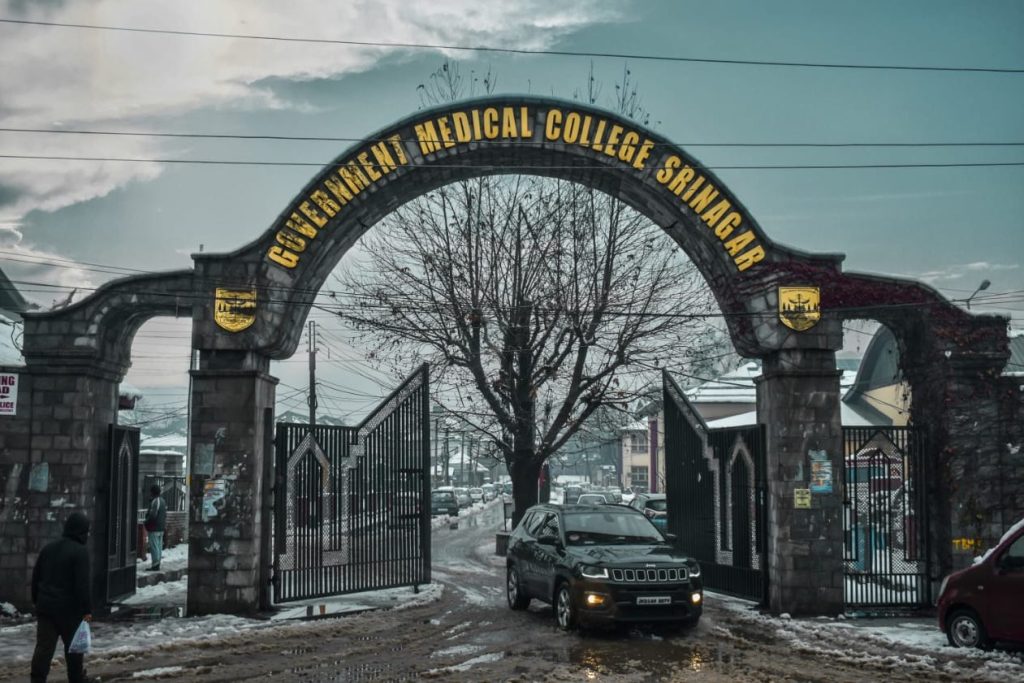
The meeting in Srinagar brought together senior officials and healthcare leaders to review the strategy, which was built on consultation with experts and national institutions. For the people of Jammu & Kashmir, the framework provides a roadmap for transforming cancer care delivery in a region with a complex history and evolving governance structures. Jammu and Kashmir has long been a crossroads of cultures and a source of territorial contention. From 1846 to 1947, the area was a princely state under British suzerainty. After the partition of India, the former princely state became a subject of dispute. India administered the region as a state from 1947 until 2019, when the Indian government reorganized it into two union territories: Jammu and Kashmir, and Ladakh. A separate region called Azad Jammu and Kashmir, or Azad Kashmir, is administered by Pakistan as an autonomous division. The Kashmir conflict, a long-standing territorial dispute between India and Pakistan, has shaped the political and social landscape for decades. Today, the union territory of Jammu and Kashmir operates under direct rule from India’s central government, a reality that affects how public health initiatives are designed and delivered. The introduction of this cancer care framework comes at a time when the region’s healthcare system is adapting to new governance arrangements, making the strategy both timely and consequential for a population living in a contested and strategically significant part of the subcontinent.




