
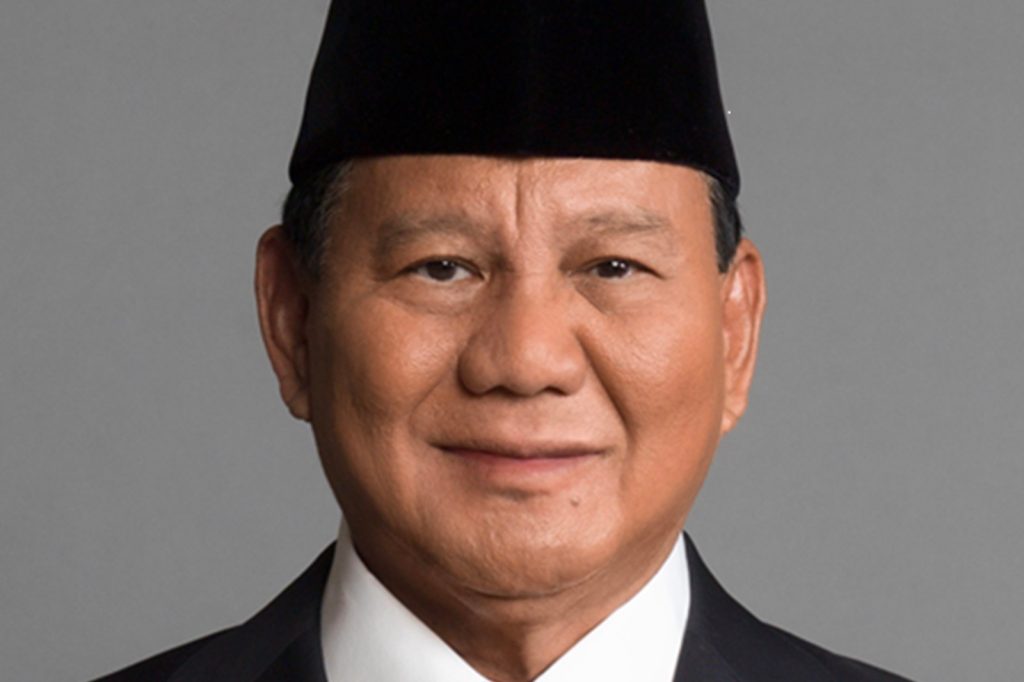
The February 14, 2024, election has placed Indonesia at a pivotal moment as voters decide who will succeed President Joko Widodo, who is constitutionally ineligible for a third term. Three high‑profile candidates dominate the race: Defence Minister Prabowo Subianto, a former army general; Anies Baswedan, former governor of Jakarta; and Ganjar Pranowo, former governor of Central Java. Alongside the presidential ballot, Indonesians are simultaneously choosing representatives for the House of Representatives, the Senate, provincial assemblies and local councils.
The concurrent legislative elections highlight the breadth of Indonesia’s democratic exercise, a system often cited as a benchmark for emerging democracies in Southeast Asia. Prabowo Subianto, now serving as defence minister, has cultivated a strong political base and is widely regarded as the most formidable contender.
His campaign presents a direct challenge to Baswedan and Ganjar, both of whom bring gubernatorial experience from the nation’s capital and its most populous province, respectively. As counting progresses, analysts are watching how each candidate’s regional support translates into a national mandate. The outcome will shape Indonesia’s domestic agenda, including economic management and the continued strengthening of democratic institutions.
Observers have warned that the country must guard against democratic backsliding, emphasizing the need for robust legislative and judicial checks as the new administration takes office. Internationally, the election carries weight for major powers.
The United States, a long‑standing partner, is expected to monitor the results closely, given Jakarta’s strategic position in the Indo‑Pacific and Washington’s broader effort to reinforce alliances in the region. Likewise, China’s expanding footprint in Southeast Asia makes Indonesia’s foreign‑policy orientation a subject of keen interest. The incoming president will need to navigate a delicate balance between these two influential neighbors while safeguarding national interests.
Scholars and regional experts stress that Indonesia’s ability to maintain a resilient democracy will be a litmus test for the broader stability of the area. Continued support from the United States and other democracies may be pivotal in reinforcing Indonesia’s institutional safeguards.
As the tallying of votes moves toward completion, the world watches for the official proclamation of the next head of state. The final result will not only determine Indonesia’s leadership for the next five years but also signal the direction of its economic policies, security posture and diplomatic alignments. In the coming days, the announcement of the certified results will set the stage for Indonesia’s next chapter, offering a clear view of how the nation’s democratic process will evolve and what it means for the wider region.




