
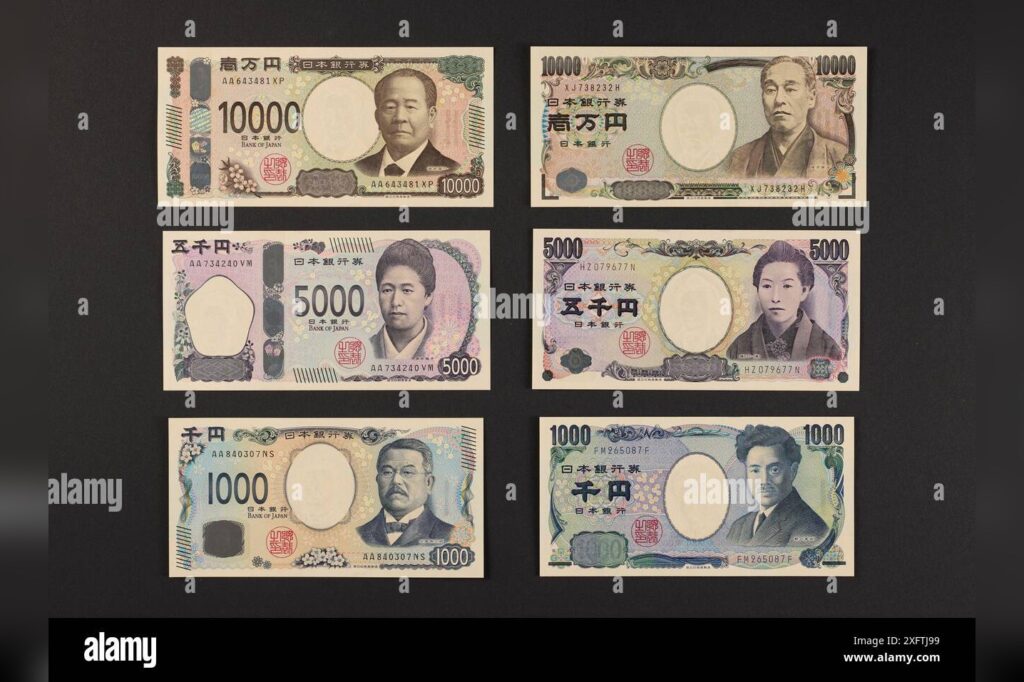
TOKYO, July 6 — There is a peculiar kind of time travel you can do with currency charts. Look at the yen at 162 to the dollar, and you are back in 1986, when Japan was climbing toward the height of its economic power. The phrase overseas was “Japan as No. 1.” Today, the same exchange rate tells a very different story.
The yen has weakened again to 162 against the dollar. But the country it buys into now is described abroad as “Cheap Japan.” The contrast is stark: from an economic powerhouse to a nation that looks inexpensive to foreign visitors and investors.
The mechanism behind this shift is worth unpacking. Back in the mid-1980s, a strong yen was a sign of strength. Japan’s export machine was feared globally.
By 1986 the currency was trading at levels that made Japanese goods competitive. The country was ascendant.
What researchers found when they looked at the long arc of this story is that the bubble economy of the late 1980s was the peak. After it burst, Japan entered a prolonged period of stagnation and deflationary pressures. The yen strengthened dramatically in the decades that followed.
But that strength masked deep structural problems. Now the cycle has turned. The yen at 162 makes everything in Japan appear cheap.
Hotels, sushi, electronics, real estate — all discounted for the foreign buyer. The science behind this is straightforward: a weaker currency means your pounds or dollars go further.
But the cultural shift is more intriguing. Japan was once the country that bought America. Now it is the country Americans buy from.
The phrase “Cheap Japan” captures this inversion neatly. It is not an insult, exactly, but it is not the compliment “Japan as No. 1” once was.
For investors, the question is whether this is a buying opportunity or a warning sign. The yen has been here before, back in 1986, just before the bubble economy inflated. But the circumstances are different now.
Japan’s population is older, its companies are less dominant, and its central bank has been fighting deflation for decades. What to watch next is whether the yen can hold these levels or whether it will weaken further. The Bank of Japan has been cautious about raising interest rates, worried about choking off whatever recovery exists.
But a weaker yen also raises import costs for energy and food, squeezing households. For now, the arithmetic is simple.
At 162 yen to the dollar, Japan is cheap. But cheap is not the same as strong. The country that was once No. 1 is now a bargain.
{“@context”: “https://schema.org”, “@type”: “NewsArticle”, “headline”: “Japan’s Economic Shift: 1986 to 2025 Transformation”, “description”: “TOKYO, July 6 — There is a peculiar kind of time travel you can do with currency charts. Look at the yen at 162 to…”, “datePublished”: “2026-07-06T09:30:00+00:00”, “author”: {“@type”: “Person”, “name”: “Henry Thomas”}, “publisher”: {“@type”: “Organization”, “name”: “InfoPulse Today”, “url”: “https://newsfeed.infopulsetoday.com/”}}




