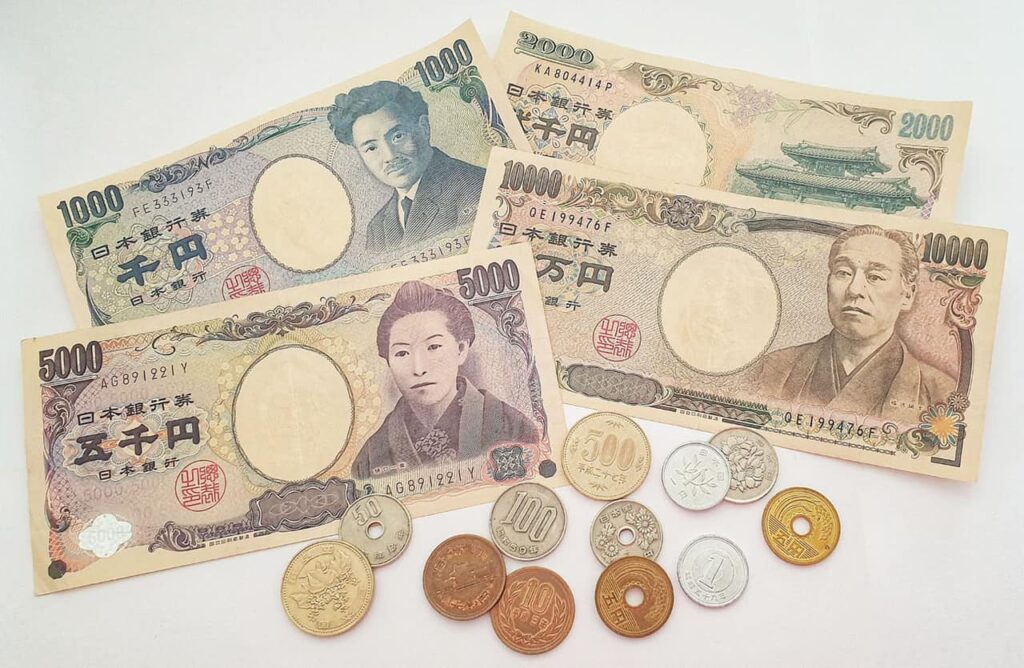
Japan took in 42.68 million foreign visitors in 2025, a record. They left behind about ¥9.46 trillion (roughly US$63 billion), around 16% more than the year before. A weak yen did a good deal of the work: hotels, meals and shopping simply cost less in dollars, euros and won.
Travel and Tour World, citing Japan National Tourism Organization figures, reported that monthly arrivals have passed the pre-pandemic peak of 2019. Most visitors still come from South Korea, China and Taiwan, though the number from the United States and Europe is rising too. Airlines have added routes linking smaller Japanese cities to international hubs, so the crowds are no longer confined to Tokyo and Osaka. Luxury brands in Ginza say sales have risen, helped by tax-free shopping for foreigners.
Why the yen stays soft
The old explanation was the gap in interest rates. The Federal Reserve held rates high, the Bank of Japan kept them very low, and money went where it earned more. That still counts for something. It no longer covers the whole story.
Japan ran a current-account surplus of roughly ¥31.9 trillion in 2025, according to the Ministry of Finance, which sounds like support for the currency. The makeup of it is less comforting. Primary income, mostly dividends and profits from overseas investments, came to about ¥41.6 trillion. The trade balance was slightly negative, at about ¥850 billion, and services ran a deficit of about ¥3.4 trillion. Japanese companies that earn money abroad can leave it abroad, and many do. External assets reached roughly ¥1,806 trillion by the end of 2025.
Households are sending money out as well. The expanded Nippon Individual Savings Account scheme pushed people to move savings from bank deposits into investments, and a large share went into foreign stocks and global index funds. That means selling yen to buy dollars.
Foreign payments for digital services run to about ¥7 trillion a year, roughly US$47 billion, and energy imports remain a steady drain.
Tourism helps, but only so much
Tourist spending is a real inflow of foreign currency. It is also gross spending, not a net figure. Even with the record year, the services deficit stayed at ¥3.39 trillion, roughly US$23 billion. Tourism, in the analysis’s words, helps “substantially,” but it is not large enough to reverse the broader pressure on the currency.
A weak yen also no longer sets off the export boom it once did. Toyota, Honda, Sony and others make a large share of their products overseas, so a cheaper currency lifts the yen value of foreign profits without adding much domestic production or employment. It does make imported energy, food and raw materials dearer at home.
Investment is the thinner story
If tourists love the discount, investors are less moved. The OECD put inward foreign direct investment in Japan at about 5.1% of GDP in 2024, roughly a tenth of the OECD average and the lowest among its members. The government wants the stock of such investment to reach ¥120 trillion by 2030. It stood at around ¥61 trillion at the end of 2025.
Berkshire Hathaway’s holdings in the five big trading houses, including Itochu, Marubeni and Mitsubishi Corporation, are often cited as a sign of foreign appetite. The analysis argues they are portfolio stakes in listed companies, a different thing from foreign firms building factories, research centers or regional headquarters. It lists complex administrative procedures, language barriers, restrictions on moving key foreign staff and a closed corporate culture as the obstacles. Japan’s economy is not shrinking, though. The OECD put real growth at about 1.2% in 2025.
Raising rates is the textbook cure for a weak currency, and the Bank of Japan has little room for it. Around 75 percent of personal mortgages were floating-rate loans by 2024, so even a modest increase would quickly raise household repayments.
Sources
- How Global Connectivity and a Soft Yen Transformed Japan into the World’s Premier Travel Destination – Travel And Tour World
- Why the Japanese Yen Is Weak for Structural Reasons