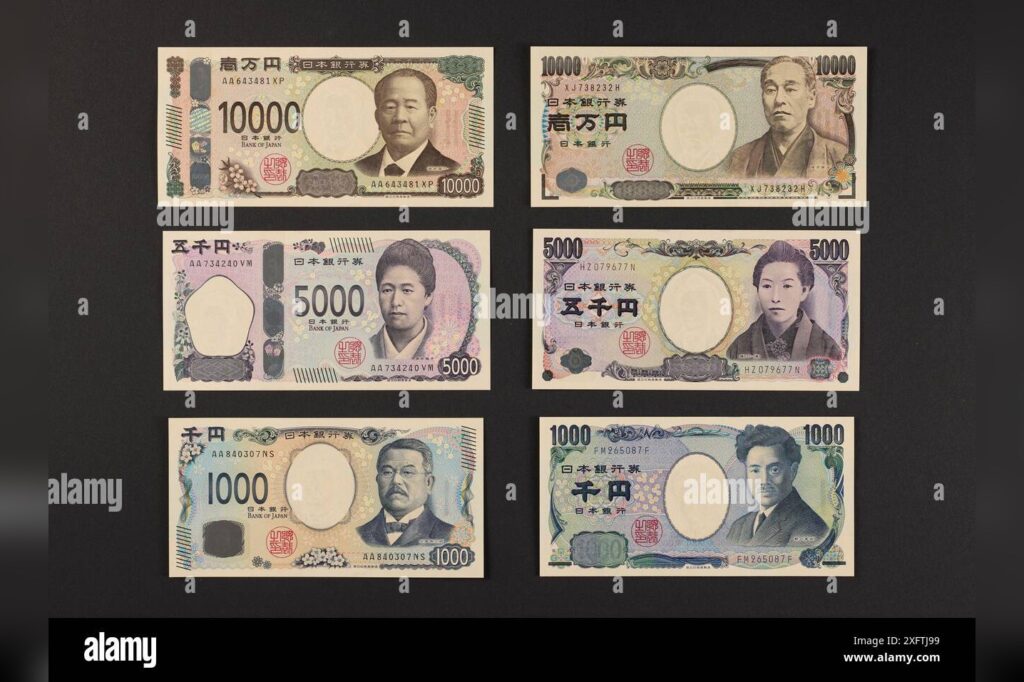
Here is a number that needs little decoration: 161.98. That is how many yen one dollar bought on the New York foreign exchange market on June 30, and it is less familiar than it looks — a fraction under the previous trough of 161.96 set in July 2024, and the weakest reading since December 1986. Thirty-nine and a half years, gone in five figures. For context that reaches back further still, that 1986 low came shortly after the Plaza Accord era of currency realignment.
How does a currency fall that far, that quietly? The mechanism, as reported by Nikkei and Bloomberg and relayed through Japanese media, is interest-rate arithmetic. Markets have hardened their expectation of a Federal Reserve hike within the year, on the back of inflation pressure fed by Middle East tensions and a recovering jobs picture. Japan’s own central bank, by contrast, gives no clear signal on the pace of its rate moves. Every extra point of gap between dollar and yen yields makes the yen the funding currency of choice, and the sell pressure compounds.
The slide cuts both ways, and Japan has been living on the bright side for a while. Cheap-yen economics inflate the overseas profits of the export giants, which is a large reason the Japanese stock market has ridden to record highs. The dark side arrives by tanker: crude oil and natural gas are settled in dollars, so a softer yen raises the import bill, and the cost pushes through everything from food to electricity.
Intriguingly, the scariest part is cartographic. Analysts at Nikkei and other outlets note that if the yen keeps sliding toward its December 1986 value, the charts run out of road — there are no reference points left, in what traders are calling “uncharted territory”. Nobody knows where the floor is, because nobody trading today has seen one.
Which turns attention to Tokyo’s wallet. Japan has stepped into the market to defend the yen just twice since 1998, in 2022 and 2024, and both times the weakness was only briefly contained. Andrew Hazlett, who trades foreign exchange at Monex, makes the sober case: so long as the U.S.-Japan rate gap stays unresolved, intervention is a stopgap, not a cure. The scale of the recent effort is not trivial — CNBC counted $74 billion spent propping up the currency, with investors arguing the real contest is with the Fed, not with speculators. Reuters reported a shift toward ambush tactics against yen short sellers, and headlines now describe a “line in the sand” that keeps moving.
The plain-spoken summary: a currency at a four-decade low is not a mystery. It is the sum of one central bank resolutely above another, plus an energy bill priced in somebody else’s money. December 1986 was the last time Japan stood here, and the charts below it are blank. Whether the government’s money or the Bank of Japan’s patience fills in that space first is the question the summer now turns on.
Sources
- Japanese Yen Hits 40-Year Low Against Dollar at Around 162 Yen < Global Markets < Markets < Article – NEWSTOP
- Google News – News about Japan • intervention risks – Overview