
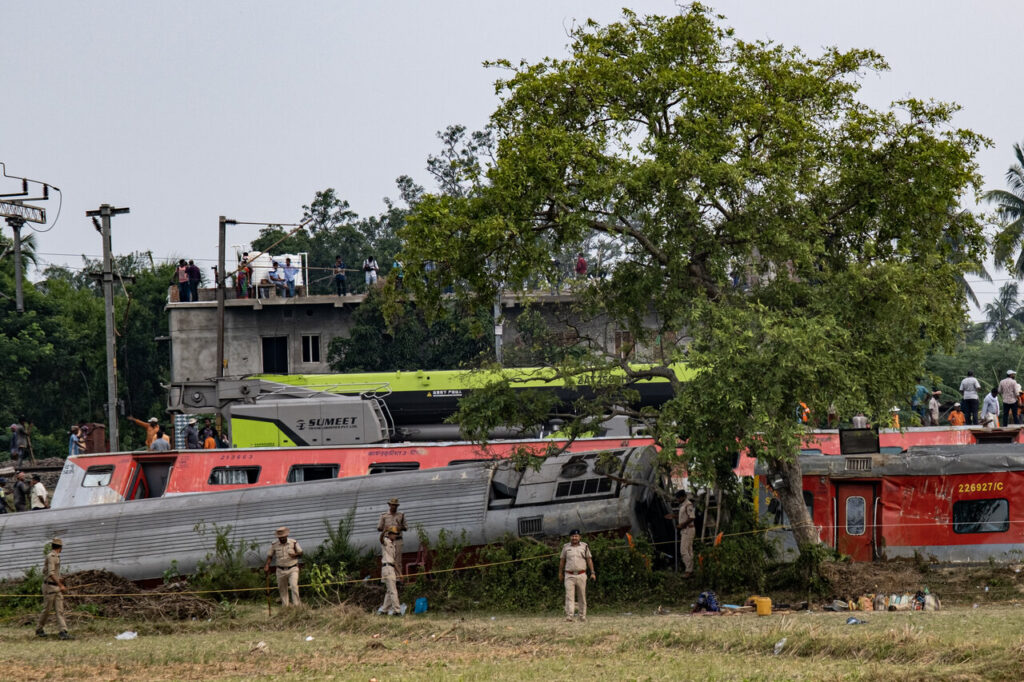
On October 11, 2024, a serious train collision occurred on a line close to Chennai in Tamil Nadu, India. Emergency crews arrived quickly, and at least 19 individuals were reported injured as rescue operations continued at the scene. While investigators are still piecing together the exact sequence of events, early information points to a mix of human error and technical malfunction as possible contributors.
Authorities have begun reviewing safety procedures, inspecting tracks and rolling stock, and assessing the training of railway personnel in an effort to identify any systemic weaknesses that may have played a role. The accident has reignited a broader discussion about the condition of the region’s rail infrastructure.
Critics argue that insufficient investment in maintenance and modernization leaves the network vulnerable to failures that endanger passengers and staff. Proponents of increased funding stress that a robust, well‑maintained railway system is essential not only for safety but also for advancing sustainable transport goals. Rail travel is widely regarded as a more environmentally friendly alternative to road and air transport, offering lower emissions per passenger‑kilometre.
Enhancing the rail network could therefore support India’s objectives of reducing pollution, improving energy security, and integrating renewable power sources such as solar or wind into train operations. Beyond the immediate human toll, the collision raises concerns about potential environmental consequences.
Train accidents can release hazardous substances, threatening local ecosystems and public health. Officials have indicated that a comprehensive environmental assessment will be conducted to gauge any contamination and to guide cleanup measures. In the aftermath of the crash, hospitals in the vicinity are coping with an influx of injured patients, while rescue teams continue to provide medical assistance and transport the wounded to appropriate facilities.
The response underscores the importance of emergency preparedness in handling railway incidents. Looking ahead, the incident is being cited as a reminder of the urgent need to prioritize sustainable transportation infrastructure.
Investment in cleaner rail technologies—ranging from advanced electric traction to emerging options like hydrogen fuel cells and solar‑powered systems—could reduce reliance on fossil fuels and curb air pollution. Stakeholders argue that a proactive approach, encompassing stricter safety oversight, regular equipment audits, and enhanced staff training, will be crucial to preventing similar accidents. By addressing both safety and environmental dimensions, policymakers aim to build a rail network that is resilient, efficient, and aligned with broader climate goals.
The Chennai‑area collision serves as a stark illustration of the challenges facing India’s railway sector. As rescue efforts proceed and investigations deepen, the incident is expected to shape future policy decisions on rail investment, safety standards, and the transition toward greener modes of transport.




