
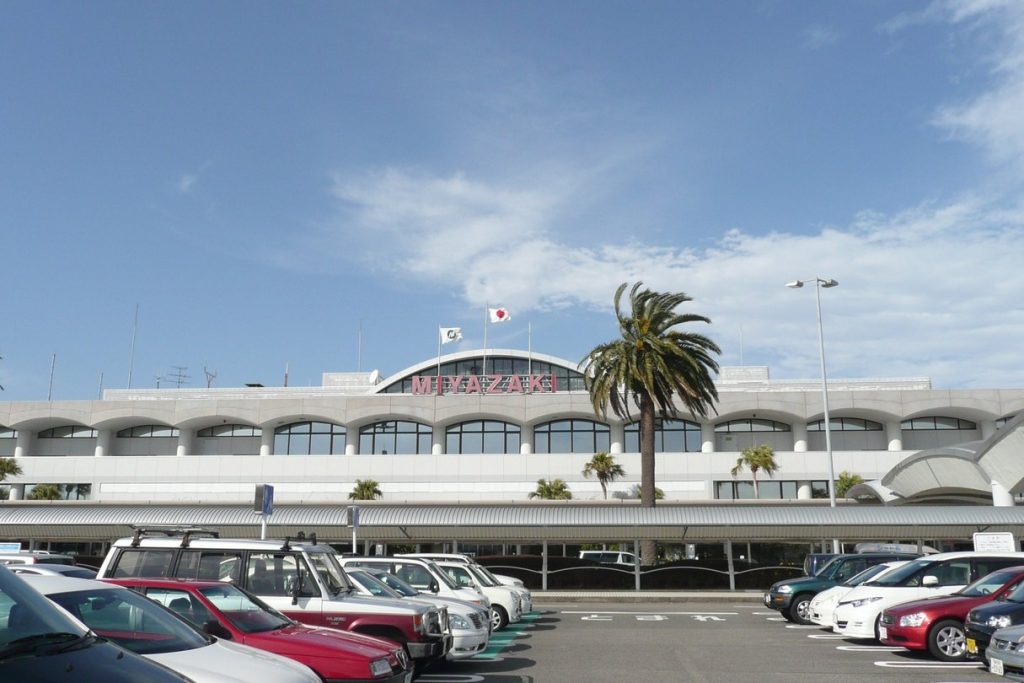
A taxiway at Miyazaki Airport in Japan collapsed on October 2, 2024, because a World War II bomb buried beneath it finally went off. The blast canceled more than 80 flights. The airport sits on land that once hosted a Japanese naval air base.
The ordnance that exploded was one piece of a much larger, slower-moving problem. Unexploded ordnance, or UXO, is the technical term for bombs, shells, grenades, and mines that failed to detonate when first used.
They sit where they fell or were buried. Decades pass. Soil shifts.
Construction happens. Then, sometimes, they explode.
The Miyazaki detonation was not a surprise to experts who track these remnants. It was a reminder that the cleanup of old war material is not finished and may never be fully finished. The blast cratered a section of taxiway.
Airport operations stopped. Airlines scrubbed dozens of departures and arrivals. Travelers were stranded or rerouted.
The disruption was immediate and costly. But the bomb itself was old.
It had been in the ground since the 1940s. That is the core fact of this story: a weapon from a war that ended 79 years ago still had the power to shut down a modern airport in a few seconds. Japan is not alone in dealing with this.
Unexploded ordnance from World War II turns up across Europe, Asia, and the Pacific islands. Germany still finds Allied bombs during construction projects.
In 2023, a British bomb disposal team dealt with a World War II device found in a garden. France and Belgium regularly unearth shells from World War I, some still containing poison gas. The problem spans continents and decades.
No single country has cleared all its old battlefields or bombing ranges. The ordnance at Miyazaki was not unique. It was one of countless shells and bombs that failed to go off during the war.
The U.S. military dropped massive amounts of explosives on Japan in 1944 and 1945. Many hit targets.
Some did not. The ones that buried themselves in soft ground or water stayed there. Over time, their fuzes corroded or destabilized.
Eventually, a trigger — vibration, pressure, temperature change — set one off. That is what happened on October 2.
A bomb under a taxiway detonated. No one was killed. The damage was limited to pavement and schedules.
But the event exposed a persistent risk. Urbanization and infrastructure expansion mean more digging, more construction, more encounters with buried ordnance. As cities grow, the odds of hitting a live shell increase.
The cleanup is slow, expensive, and never complete. Some bombs will always be missed.
Governments run UXO removal programs. They survey land, map suspected sites, and dig up what they find. But the scale is enormous.
The U.S. Army Corps of Engineers still clears ordnance from former training grounds and battlefields in Europe. Japan’s Self-Defense Forces handle domestic discoveries.
The work is painstaking. Each find must be assessed, moved, and destroyed in a controlled explosion or rendered inert. It takes time and money.
The Miyazaki bomb was not found during a survey. It was found when it exploded. That is the hard reality of UXO.
No matter how thorough the search, some devices stay hidden until they go off. The airport reopened after repairs.
Flights resumed. But the bomb is still there in the sense that others like it remain elsewhere, waiting under fields, roads, and runways. The war ended long ago.
The ordnance did not get the message.
{“@context”: “https://schema.org”, “@type”: “NewsArticle”, “headline”: “WWII Bomb Blast Collapses Airport Taxiway, Disrupting Over 80 Flights”, “description”: “A taxiway at Miyazaki Airport in Japan collapsed on October 2, 2024, because a World War II bomb buried beneath it finally went off. The blast canceled more tha”, “datePublished”: “2024-10-02T15:00:00+00:00”, “author”: {“@type”: “Person”, “name”: “InfoPulse Today”}, “publisher”: {“@type”: “Organization”, “name”: “InfoPulse Today”}}




