
HONG KONG, October 16, 2026 — China’s exports surged 36.3% in September from a year earlier, widening its monthly trade surplus to $133.5 billion and pushing the nine-month total toward a potential annual record.
China’s Export Surge and Trade Surplus Growth
China’s exports rose 36.3% year-on-year in September, according to the country’s customs agency, marking the fastest pace since February as compiled by FactSet. Imports also increased, climbing 31% over the same period, but the gap between exports and imports widened, resulting in a $133.5 billion trade surplus for the month, up from $119.1 billion in August. For the first nine months of the year, China’s trade surplus reached $938.1 billion, with expectations growing that it could surpass last year’s full-year record of $1.2 trillion. Strong export performance has helped support China’s overall economic growth amid sluggish domestic consumption and investment, which have been weighed down by a prolonged downturn in the real estate sector.
How Trade Surplus Is Calculated and What It Means
The balance of trade is the difference between the monetary value of a nation’s exports and imports of goods over a certain time period. When a country exports more than it imports, it records a trade surplus, also known as a positive trade balance. As of 2016, about 60 out of 200 countries had a trade surplus, with China holding the world’s largest at $823 billion, followed by Germany at $226 billion and Singapore at $154 billion. A trade surplus indicates that a country is selling more goods abroad than it is buying from foreign markets, which can reflect competitiveness in global markets, strong demand for its products, or factors such as currency valuation affecting export prices.
Global Pressure from EU and U.S. to Rebalance Trade
The 27-nation European Union has been struggling with a trade deficit exceeding $1.1 billion per day with China, prompting calls for rebalancing. EU trade chief Maroš Šefčovič said a deal has been reached with Beijing to halve Chinese hybrid car imports into the EU over the next few years following his visit to Beijing and meeting with Chinese counterpart Wang Wentao. The United States has launched an ongoing probe into excess industrial capacity among China and other trading partners, although Washington and Beijing recently extended their trade truce and agreed to cut tariffs on $60 billion worth of goods. Many trading partners express concern that their manufacturing industries could be overwhelmed by the volume and competitiveness of Chinese exports, particularly in high-tech sectors such as semiconductors and automobiles.
China’s Response: Pledging to Import More High-Value Goods
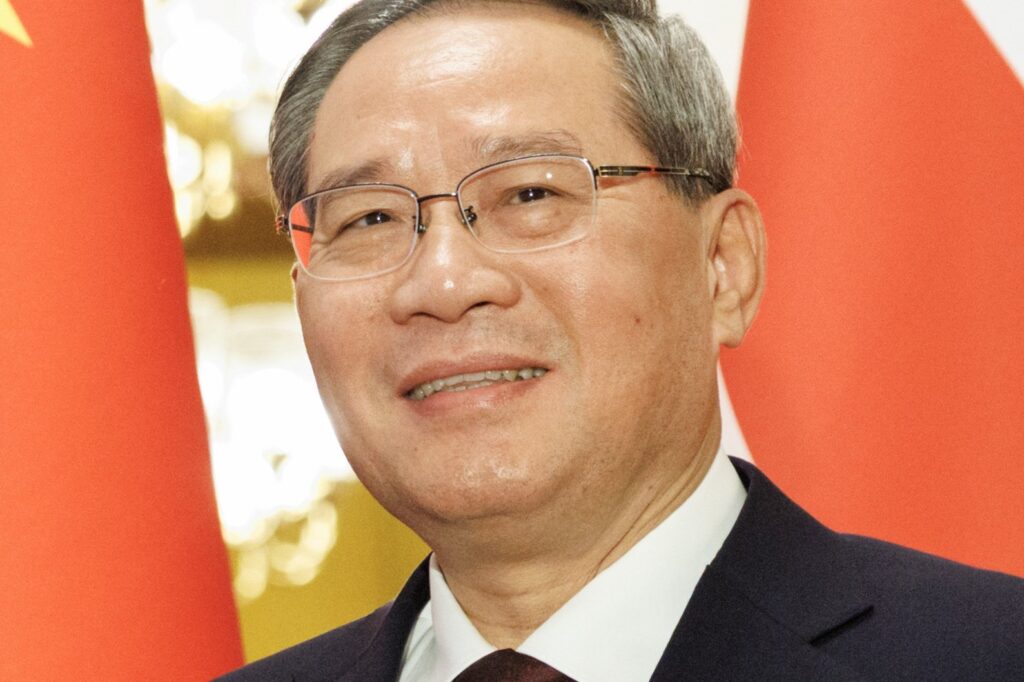
In response to growing pressure, Chinese Premier Li Qiang said at a trade fair in Guangzhou that China is willing to import more high-quality goods, especially high-value-added products, and positioned the country as both a “super seller” and a “super buyer” in global trade. China’s central bank has stated it has “no need or intent” to gain competitive advantages through currency manipulation, countering claims by some policymakers that an undervalued yuan contributes to cheaper Chinese exports overseas. Officials say China aims to address trade imbalances by boosting imports while maintaining its export strength, particularly as global demand for its high-tech goods remains strong.
Currency Valuation and Export Competitiveness
China’s central bank has stated it has “no need or intent” to gain competitive advantages through currency manipulation, countering claims by some policymakers that an undervalued yuan contributes to cheaper Chinese exports overseas. The yuan’s exchange rate against the U.S. dollar has been cited as a factor influencing the price competitiveness of Chinese goods in global markets, with policymakers suggesting that currency valuation affects trade imbalances. Despite these claims, officials maintain that China’s export strength stems from product quality and demand rather than artificial currency advantages.
Impact of High-Tech Exports on Trade Growth
High-tech goods, including semiconductors and automobiles, were key drivers behind China’s export surge in September, according to customs agency data compiled by FactSet. These sectors contributed significantly to the 36.3% year-on-year increase in exports, outpacing the 25% growth recorded in August. The strength in high-tech shipments helped sustain export momentum despite broader economic headwinds.
Analysts noted that the resilience of China’s high-tech exports has played a central role in supporting overall economic growth, particularly as domestic consumption and investment remain weak due to a prolonged downturn in the real estate sector. The demand for Chinese semiconductors and automobiles abroad has helped offset softer performance in other industries.
Trading partners, especially in the European Union, have expressed concern over the volume and competitiveness of these high-tech exports, which they argue could overwhelm domestic manufacturing industries. EU officials have specifically targeted sectors like hybrid cars and semiconductors in discussions about rebalancing trade flows with China.
Export Composition and Sectoral Growth Drivers
China’s September export surge was driven by strong performance in high-tech manufacturing, with semiconductors and automobiles leading the growth, according to customs agency data compiled by FactSet. These sectors outpaced the broader export increase, contributing disproportionately to the 36.3% year-on-year rise compared to the 25% growth recorded in August. The resilience of high-tech shipments has helped sustain overall export momentum despite weaker domestic demand.
Beyond high-tech goods, other manufacturing categories also showed acceleration, though specific sectoral breakdowns were not detailed in the source material. The export growth was broad-based enough to lift imports as well, which climbed 31% year-on-year in September, up from 28.2% in August, reflecting increased demand for intermediate goods and commodities used in production. This simultaneous rise in both exports and imports indicates heightened global trade activity linked to China’s manufacturing output.
The strength in exports has played a key role in supporting China’s economic growth this year, particularly as domestic consumption and investment remain subdued due to a prolonged downturn in the real estate sector. Analysts note that without the offset from strong foreign demand, the economic slowdown would be more pronounced, underscoring the export sector’s current importance as a growth stabilizer.
Sources
- Balance of trade
- China’s trade surplus nears record as pressure mounts from trading partners | Hot Springs Sentinel Record
- China’s trade surplus nears record as pressure mounts from trading partners
Photo: Number 10 (CC BY 4.0)




