**
Japan’s Backup Capital Plan Signals Shift in Tokyo’s Economic Dominance
**
The Japanese government has announced criteria for designating a secondary capital, aiming to decentralize power and economic activity away from Tokyo. This move challenges Tokyo’s status as the nation’s sole global financial hub, a position it has held since the Meiji era.
Background: Tokyo’s Centralized Power
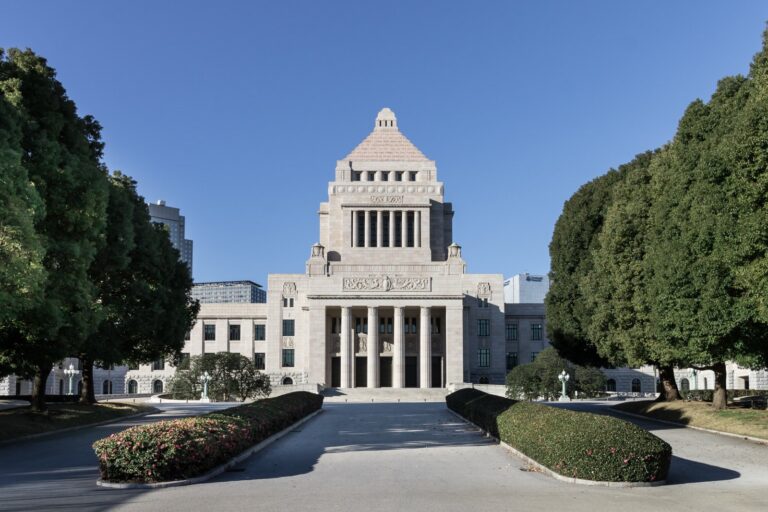
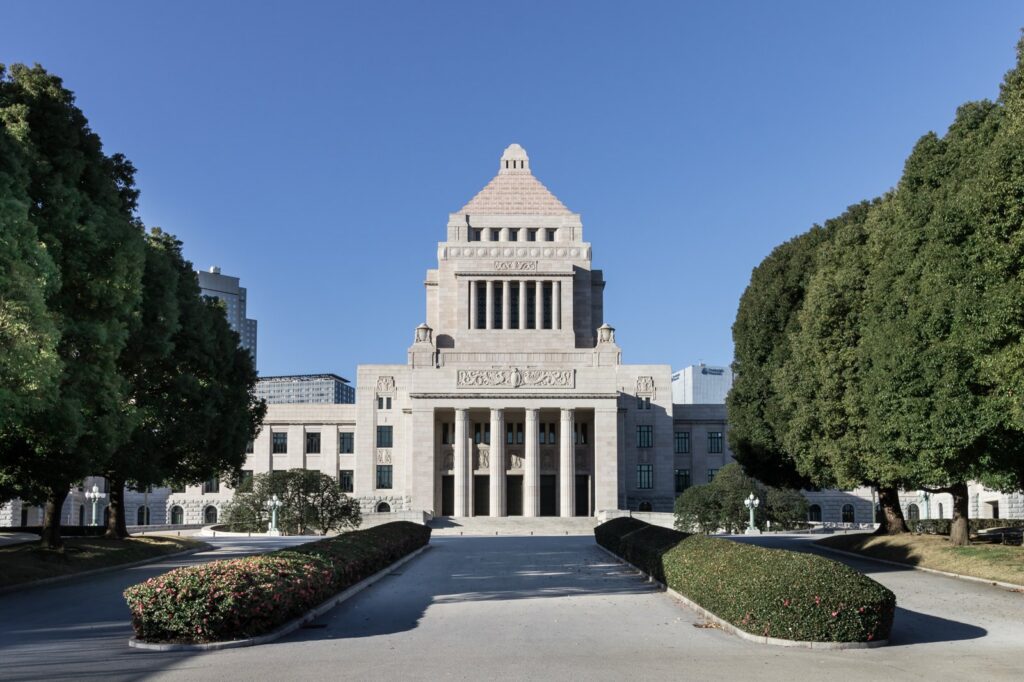
Tokyo, with a population of over 14 million in the city proper as of 2023, is Japan’s economic and political center. The Greater Tokyo Area, home to 33 million residents as of 2025, is the third-most populous metropolitan area globally. Tokyo houses the seat of the Japanese government, the Emperor, and 26 of the world’s 500 largest companies. Its central 23 wards include key locations like Chiyoda, home to the National Diet Building and the Tokyo Imperial Palace, and Shibuya, a major commercial hub.
Historical Context: Centralization Since the Meiji Era
Tokyo, originally known as Edo, rose to prominence in 1603 as the seat of the Tokugawa shogunate. After the Meiji Restoration in 1868, the imperial capital was moved from Kyoto to Edo, renamed Tokyo. This marked the beginning of Tokyo’s centralization, which accelerated during the post-World War II economic miracle. Since 1943, Tokyo’s governing structure has resembled that of a prefecture, further solidifying its dominance.
The Backup Capital Plan: Decentralization in Action
The new criteria for a secondary capital aim to redistribute government functions and economic opportunities. While Tokyo’s status as the seat of the Emperor and the National Diet remains unchanged, the plan could reduce its dominance as Japan’s sole global financial hub. This reflects a broader trend of decentralization in Japanese governance, addressing the concentration of power and economic activity in Tokyo.
Economic Implications for Tokyo
The designation of a secondary capital may lead to a shift in infrastructure and investment decisions, potentially impacting Tokyo’s financial sector. This move has sparked debate about the long-term viability of Tokyo’s current economic model. However, Tokyo’s established role as a global hub, with its advanced infrastructure and international connections, suggests that any changes will be gradual.
Cultural and Administrative Shifts
Decentralization could bring cultural and administrative changes, as regions outside Tokyo gain more prominence. This shift may also influence how Japan is perceived globally, potentially reducing the perception of Tokyo as the singular gateway to the country.
The backup capital plan marks a significant step in Japan’s efforts to balance regional development, signaling a new chapter in Tokyo’s role as a global financial center.
Sources
- Tokyo
- Stolen luxury watch worth $290,000 returned to store in Tokyo with handwritten apology
- Shnaider outlasts Fernandez in Tokyo thriller for first title of the year
- This Tokyo neighborhood is famous for Halloween. Locals would like to change that | CNN
- ‘Men know they won’t face consequences’: rise of street sex work in Tokyo is fuelling calls for change
- Cranky Flier
Photo: Kakidai (CC BY-SA 4.0)