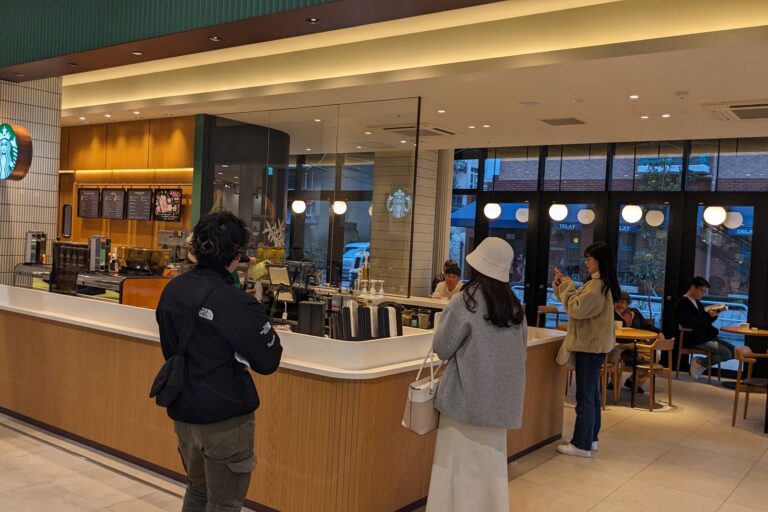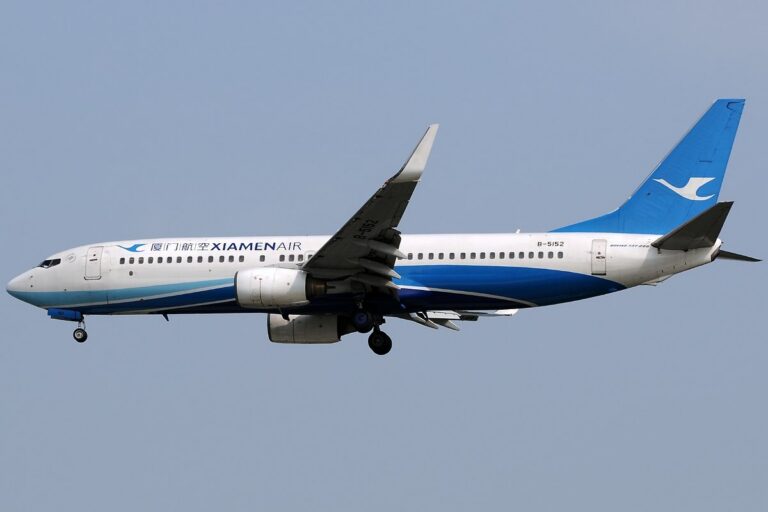

A new wave of Asian chain stores is arriving in Denver, drawing both excitement and concern. Their reception lands in a metropolitan market of 3.1 million people spread across ten counties.
Denver’s scale gives the arrivals a substantial potential audience. The metropolitan area ranks 19th-largest in the United States and forms the economic and cultural center of the Front Range Urban Corridor.
The city itself counted 715,522 residents at the 2020 census. That made it the country’s 19th-most populous city and the fifth-most populous state capital.
A regional market between plains and mountains
Denver occupies the South Platte River valley at the western edge of the High Plains, immediately east of the Rockies’ Front Range. Downtown lies about 12 miles (19 kilometers) from the mountain foothills.
It is the most populous metropolitan area within a 560-mile (900 km) radius. That geographic position has long made Denver a commercial and transport base for a broad territory extending across the Great Plains into the Rocky Mountain West.
The city’s official elevation above sea level is one mile exactly: 5280 feet, or 1609.344 meters. Hence the Mile High City nickname. Another geographic marker runs directly through Denver Union Station: the 105th meridian west of Greenwich, which supplies the longitudinal reference for Mountain Time.
Eight Fortune 500 companies have headquarters in the city. Cultural institutions include the Denver Performing Arts Complex, Denver Art Museum and Denver Museum of Nature and Science, while professional teams compete in five leagues.
Those features describe a large, diversified regional market. They do not, by themselves, determine how residents will respond to each incoming chain. The excitement and concern surrounding the arrivals suggest that the debate is not just about the number of new storefronts.
From trading post to regional hub
The commercial role began during the Gold Rush. Prospectors from Lawrence, Kansas, established Montana City beside the South Platte River in summer 1858 on traditional Cheyenne and Arapaho land.
That settlement faded by the following summer as Auraria and St. Charles City drew residents. On November 22, 1858, cottonwood logs helped General William Larimer and Captain Jonathan Cox stake a townsite overlooking Cherry Creek’s meeting with the South Platte.
Larimer called it Denver City to court James W. Denver, the Kansas territorial governor, unaware that he had already resigned. Parcels were sold to miners and merchants, while saloons, gambling, livestock and goods trading supported the frontier economy.
In May 1859, residents gave 53 lots to the Leavenworth & Pike’s Peak Express to secure the region’s first overland wagon route. Its trail reduced westward travel from twelve days to six and carried passengers, mail, freight and gold.
Incorporation as Denver City followed on November 7, 1861; the name shortened in 1866 and territorial-capital status arrived on December 9, 1867. Colorado joined the Union on August 1, 1876, and voters made Denver the permanent state capital in an 1881 referendum.
Rail links changed the calculus
The first transcontinental railroad initially bypassed Denver for Cheyenne City, leaving the new town 100 miles (160 kilometers) from the line. Local leaders raised $300,000 within three days to finance a connection.
Fundraising later stalled, forcing those leaders to take control of the indebted railroad. The Denver Pacific completed the link on June 24, 1870.
Access to the national rail network helped Denver expand as a service and supply center. Mining wealth financed commercial blocks, hotels, residences and the Tabor Grand Opera House.
On December 1, 1902, the consolidated City and County of Denver separated from Arapahoe and Adams counties. In 2015, a new commuter railway began operating across the metropolitan area with a network using 25 kV 60 Hz.
That history explains why businesses can treat Denver as more than an isolated city at the mountains’ edge. It is a consolidated urban center with a regional transport role, eight major corporate headquarters and millions of potential customers beyond its municipal boundary.
Sources
- Denver
- Five Things to Know: Wisconsin Opens Regular Season vs Denver | Wisconsin Badgers
- Denver Public Schools Ballot Issue 4A likely to pass, election results show
- Broncos sign 3 players to practice squad
- Denver’s foie gras ban backers declare victory; other city measures lead in returns
- Increasing clouds overnight in Denver metro; mountain storm moves in mid-week
Photo: Johnny Ho / Unsplash (Unsplash License)