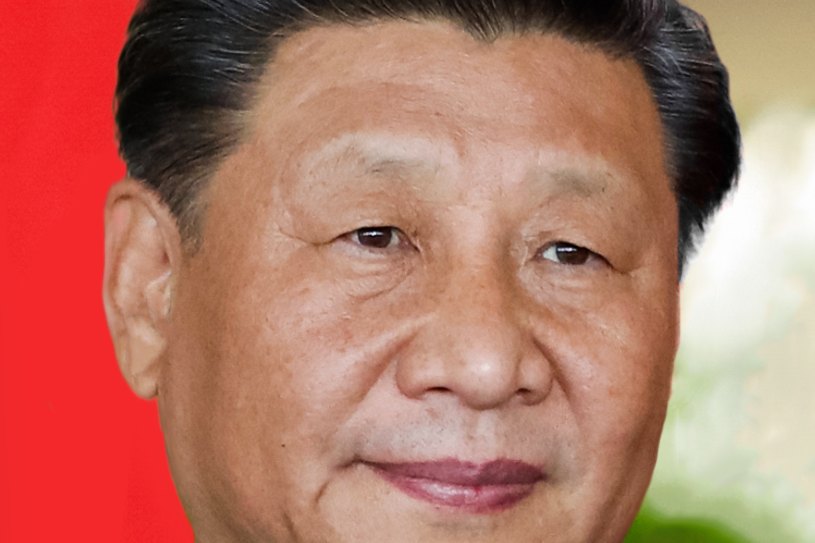
About 300 members of China’s Central Committee shut the doors in Beijing on Monday for a four-day plenum, the fifth of this term. The agenda, for all the noise around it, is discipline. President Xi Jinping opened with a work report and a draft decision on what Xinhua calls “full and rigorous party self-governance”, a campaign meant to make cadres more disciplined, more effective and less corrupt.
A Fourth Term in View
The timing is not subtle. Xi is widely expected to secure a fourth five-year term as party leader at a congress in the fall of 2027, and personnel changes to key leadership bodies are expected before then. Notably, there is still no clear successor in sight. Xi removed presidential term limits in 2018 and is regarded by some as the most powerful leader since Mao.
Ruby Osman, a senior policy adviser at the Tony Blair Institute for Global Change in London, told the Associated Press the plenum is a chance to make sure the officials rising through the ranks share Xi’s assessment of the opportunities and risks China faces. Neil Thomas, a senior fellow at the Asia Society Policy Institute, expects new ideological language reinforcing Xi’s authority, and tougher scrutiny of those competing to join his next leadership team.
Gaps in the Room
Xi’s anti-corruption campaign is now 14 years old and has removed thousands of officials. Eight seats on the Central Committee are vacant and another 15 members are under investigation. Thomas and his colleagues estimate turnout could fall below 80 percent, which would be the lowest at any plenum since Mao’s death in 1976.
The army has fared worst. According to Thomas, 42 of the 44 military-affiliated officials elected to the committee in 2022 have been purged or have disappeared. Five of the seven members of the Central Military Commission have gone. New appointments to that body are possible, though Steve Tsang, director of the SOAS China Institute in London, suggests Xi may hold his picks until the congress, and would fill any openings with loyalists.
Compliance as the Test
Xi’s complaint is no longer only graft. In a January speech, published ahead of the plenum in the Qiushi Journal, he warned against “two-faced” officials who profess loyalty while privately defying orders. Inspections and audits, he said, had found failures to comply and improper execution. The number of officials punished for “formalism” and “bureaucratism”, meaning dereliction of duty, inaction and reckless acts that hinder development, has surged.
Mingda Qiu of Eurasia Group’s China practice said Beijing has been building this agenda for months. “The message is clear: the anti-corruption campaign is not winding down,” he said. Osman reads the record number of disciplinary cases as a raised bar rather than a rebound in corruption, aimed at a system that can carry Xi’s priorities across leadership cycles. Thomas expects demands for tighter scrutiny of public spending and major projects, more technology to uncover corruption, and tougher consequences for officials who fail to deliver. The congress is scheduled for the fall of 2027.
Sources
- China’s political elite gather for talks on Communist Party discipline
- What to know about China's plenum as Xi seeks stronger party discipline
- Xi Redoubles Anti-Corruption Efforts at Fifth Plenum – Domino Theory
Photo: Palácio do Planalto (CC BY-SA 4.0)