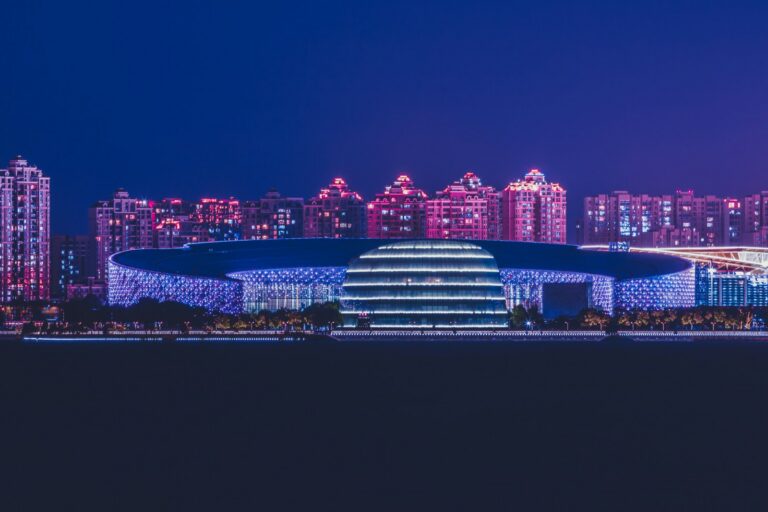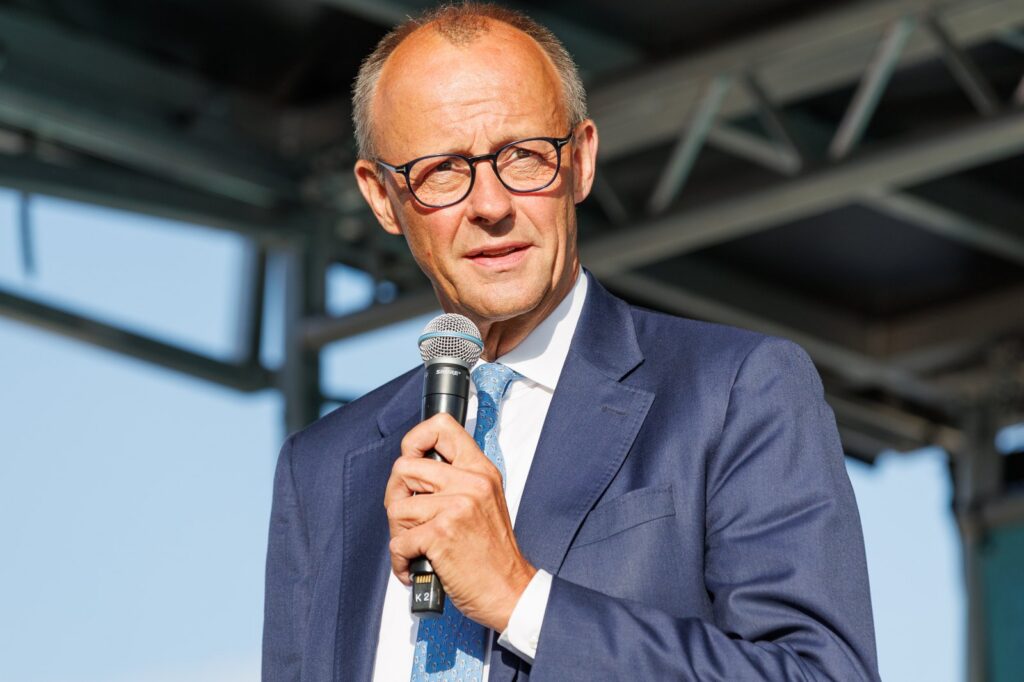
Singapore made a fitting stage for a warning about the world order. In a lecture there on Tuesday, German Chancellor Friedrich Merz said the collapse of the old global order threatens the interests of middle powers in Europe and in Asia. His answer was closer cooperation between the two regions, including a combining of their trade agreements.
A Trip Built Around Trade
Merz opened a four-day, business-oriented trip in Singapore that will carry him on to Japan and South Korea. European and Asian nations, he said, must find their own place in a changing order. “We must assert our interests in an international environment shaped by renewed great-power rivalry,” he told his audience.
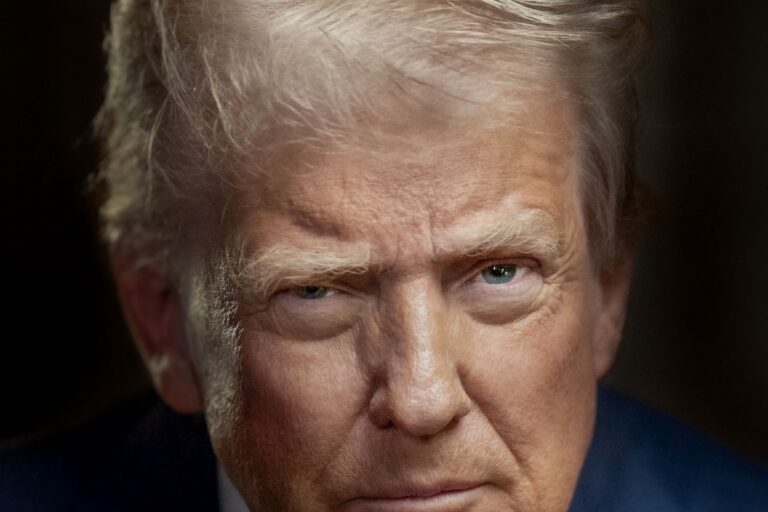
Against a backdrop of unpredictable tariffs from the United States under President Donald Trump and trade restrictions from China, he held up Germany and the rest of Europe as a source of stability. “This is a deliberate counterpoint to what we are currently seeing,” Merz said. “We want to do things differently, and we want to show that there is a better way.” Europe wants wider partnerships, he added, built on free trade, open competition, reliability and a rules-based order.
His concrete proposal was a new free-trade agreement between the 27-member European Union and the CPTPP, the Trans-Pacific partnership of 12 countries on five continents. Australia, Canada, Japan, Mexico and the United Kingdom belong to it. The United States and China do not.
After meeting Prime Minister Lawrence Wong, Merz said investment conditions would keep improving under his government, and that he finds “a great deal of confidence” in Germany and Europe as places to invest. Wong replied that Singapore’s investors, its sovereign wealth funds among them, have put money into Germany for a long time and will keep doing so, because they believe in the long-term potential of Germany and Europe. The two leaders agreed to expand cooperation on security and defense, trade, investment, sustainable energy and artificial intelligence.
Steinmeier in Hefei
While Merz spoke in Singapore, President Frank-Walter Steinmeier began a farewell tour of China. He brought no companies along, since the trip was meant to centre on culture and science. Even so, the first day in Hefei, the capital of Anhui Province, turned mostly on the economy. “When you travel in China, you’re amazed at how highly Germany and German technology are still valued here,” he said, and he urged German businesses to act with confidence in those markets.
He visited the Volkswagen China Technology Company, an electric-mobility research center that Europe’s largest automaker opened about three years ago and that now employs 3,000 people. Johannes Volkmann, a lawmaker travelling with the president, struck a more cautious note. Germany must not “lose its leadership in innovation”, he said, and must avoid new dependencies that would arise if innovation and value creation happen only outside Europe. He plans to take that call home and work on competitive conditions there.
Steinmeier did not hide his own worry. China’s growing trade surplus “naturally causes us concern”, he said, because the successful model of economic cooperation is tipping out of balance. Cooperation should continue, but to the mutual benefit of both sides. The figures explain the unease. Germany’s trade deficit with China stood at just under €90 billion ($100 billion) in 2025, according to the Federal Statistical Office: China sold €170.6 billion of goods to Germany and bought €81.3 billion in return. EU Trade Commissioner Maros Sefcovic put the deficit across the 27-member bloc at almost €197 billion for the first half of 2026.
Security and a Courtroom in Hamburg
Defense Minister Boris Pistorius joined counterparts from France, Italy, Poland and the UK in an op-ed, published online and in Tuesday’s Tagesspiegel, that calls Russia “the most acute and long-term threat to Euro-Atlantic security and stability.” The five ministers wrote of building “a stronger Europe within a stronger NATO”, described the United States as an “indispensable ally”, and renewed their political, military and financial support for Kyiv.
In Hamburg, a court rejected a defense request to end the trial of Serhii Kuznietsov, 50, a former Ukrainian army officer accused of sabotaging the Nord Stream gas pipelines. He is charged with causing an explosion, damaging property, disrupting public services and being an accomplice to war crimes. His trial began this month.
Sources
- Germany's Merz says erosion of global order means middle powers in Europe and Asia must be more assertive
- Germany's Merz says erosion of global order means middle powers in Europe and Asia must be more assertive
- Merz says collapse of global order threatens Europe, Asia interests
Photo: Steffen Prößdorf (CC BY-SA 4.0)