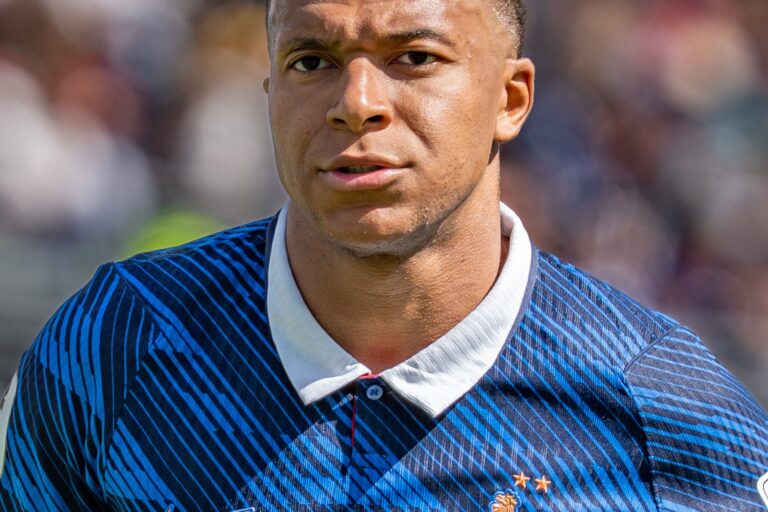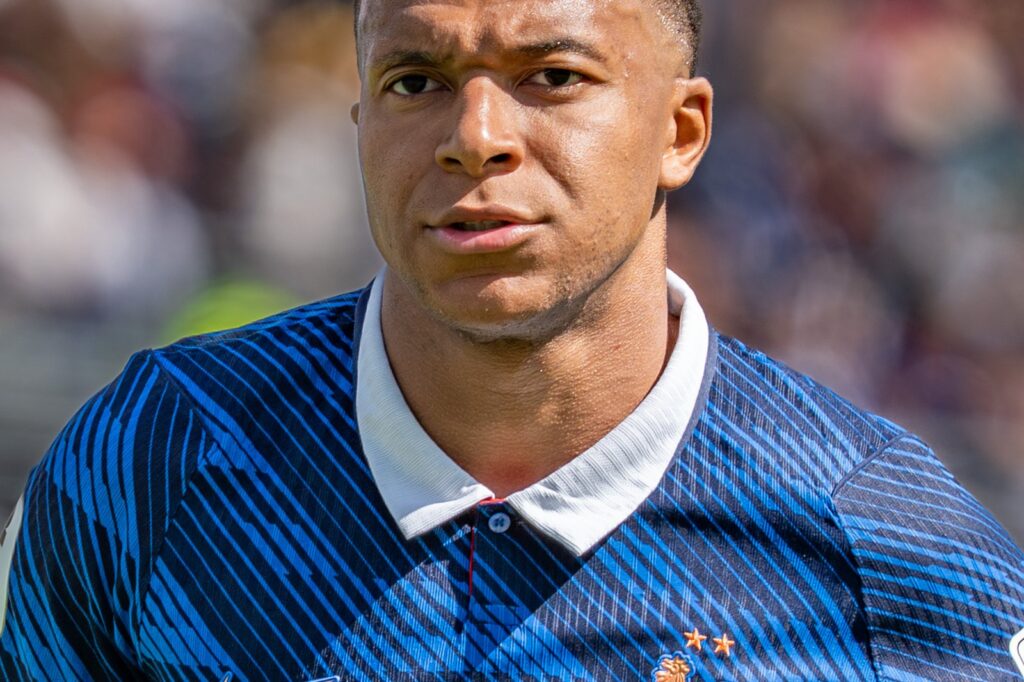
Global soccer star Kylian Mbappé is losing sponsors in China after he joked about Chairman Mao, illustrating how quickly international athletes can face severe economic penalties when navigating Beijing’s strict political taboos.
A Single Comment Sparks Immediate Brand Boycotts
The controversy erupted following a clip from an interview with “The Bridge,” a French podcast co-hosted by one of Mbappé’s teammates. In the segment, the French forward identified a specific meme as his favorite, describing it as a video where his face was superimposed onto that of “some guy — I think he’s a Chinese dictator.”
The video subsequently displayed an image of Mao Zedong with Mbappé’s face edited over him. While millions died under Mao’s leadership, the late leader is still revered by the Chinese Communist Party for his role as the founding father of modern China, making jokes about him politically sensitive.
The Fallout: Brands Cut Ties and Platforms Suspend Accounts
The backlash was swift. On Tuesday, October 27, 2026, a host of prominent Chinese brands announced they were terminating their partnerships with the PSG forward. These companies included Dongpeng Beverage, known for its energy drinks; Inner Mongolia Mengniu Dairy, one of China’s largest dairy producers; and cheesemaker Milkground.
Social media giant Xiaohongshu also distanced itself from Mbappé, stating that its contract with him had ended after the viral ad appeared. A note on his suspended account, which previously held more than a million followers, indicated it had been closed for “violating community guidelines.”
The Broader Context: Navigating Chinese Sensitivities
For foreign sports figures operating in China, the rules are clear and unforgiving. According to Foreign Ministry spokesperson Guo Jiakun, “Words and actions that hurt the feelings of the Chinese people will naturally be met with a collective boycott by all sectors of Chinese society.”
This environment means that even ill-judged remarks about historical figures or political leaders can lead to immediate economic consequences. La Liga, the Spanish league where Mbappé plays, apologized and attempted to distance itself from his comments. Similarly, in 2019, NBA games were largely suspended from Chinese broadcasts after a Houston Rockets manager expressed support for anti-government protests in Hong Kong.
Analysts note that the scale of this boycott highlights how rapidly a celebrity’s status can shift from having their face plastered on subway stations and drink bottles to facing condemnation over political sensitivities little understood outside China. For an athlete like Mbappé, whose career has seen him become the all-time top goalscorer for both Paris Saint-Germain (256 goals) and the France national team (67 goals), such a loss of market access represents a significant strategic setback in one of his most lucrative regions.
Mbappé’s Apology and Ongoing Market Impact
Following the immediate termination of partnerships, Mbappé issued a public apology on Tuesday morning, acknowledging the severity of the backlash. In a statement posted in English, French, and Mandarin, the forward admitted his comment was “ill-judged” and expressed remorse for the offense caused. “I now understand that it hurt many people in China and in Chinese communities around the world,” Mbappé said. “I apologize to everyone my words have upset. This was absolutely not my intention. I have deep respect for the Chinese people and their history, and I am sincerely sorry.” Despite the apology, the economic repercussions continued to mount. On’s share price dropped more than 4% in early trading on Tuesday after the brand confirmed it was severing its long-term deal with the athlete. Furthermore, Mbappé’s status as the face of EA Sports’ FC game series was called into question, highlighting how a single moment of insensitivity can dismantle years of carefully cultivated brand equity in one of the world’s most valuable sports markets.
The incident has also intensified scrutiny on the precarious nature of celebrity endorsements within China’s digital ecosystem. While Mbappé’s camp attempted to mitigate the damage through swift contrition, the speed at which Chinese platforms and corporations acted underscores a shifting landscape where political alignment is increasingly tied to commercial viability. Analysts suggest that for global athletes, the episode serves as a stark reminder that humor acceptable in Western contexts can carry severe professional penalties in authoritarian regimes. As Mbappé looks to rebuild his image, the loss of these high-value partnerships represents not just a financial setback, but a fundamental test of how international sports figures navigate the intersection of entertainment, politics, and global commerce.
Historical Precedents and Commercial Stakes
The incident involving Dongpeng and Mengniu is not an isolated event but part of a broader pattern where foreign athletes face severe economic consequences for navigating Chinese political sensitivities incorrectly. According to Foreign Ministry spokesperson Guo Jiakun, “Words and actions that hurt the feelings of the Chinese people will naturally be met with a collective boycott by all sectors of Swiss shoemaker On’s expanding soccer business” following similar backlash. This environment means that even ill-judged remarks about historical figures or political leaders can lead to immediate economic consequences. Similarly, in 2019, NBA games were largely suspended from Chinese broadcasts after a Houston Rockets manager expressed support for anti-government protests in Hong Kong.
Mbappé’s status as one of the most marketable athletes in global sports makes him particularly vulnerable to such shifts. In 2017, while still a teenager, he commanded a transfer fee of over $210 million, and he has since become the face of EA Sports’ FC game series. His career achievements are staggering; he is the all-time top goalscorer for Paris Saint-Germain (256 goals) and the France national team (67 goals). However, such a loss of market access represents a significant strategic setback in one of his most lucrative regions. For an athlete like Mbappé, whose career has seen him become the highest-scoring player in the FIFA World Cup (22), such a loss of market access represents a significant strategic setback.
The scale of this boycott highlights how rapidly a celebrity’s status can shift from having their face plastered on subway stations and drink bottles to facing condemnation over political sensitivities little understood outside China. Analysts suggest that for global athletes, the episode serves as a stark reminder that humor acceptable in Western contexts can carry severe professional penalties in authoritarian regimes. As Mbappé looks to rebuild his image, the loss of these high-value partnerships represents not just a financial setback, but a fundamental test of how international sports figures navigate the intersection of entertainment, politics, and global commerce.
Sources
- Global soccer star Kylian Mbappé is losing sponsors in China after he joked about Chairman Mao
- Kylian Mbappé
- Mao, memes and Mbappé: Chinese brands drop soccer star in fury over ‘dictator’ joke
Photo: Bryan Berlin (CC BY-SA 4.0)