
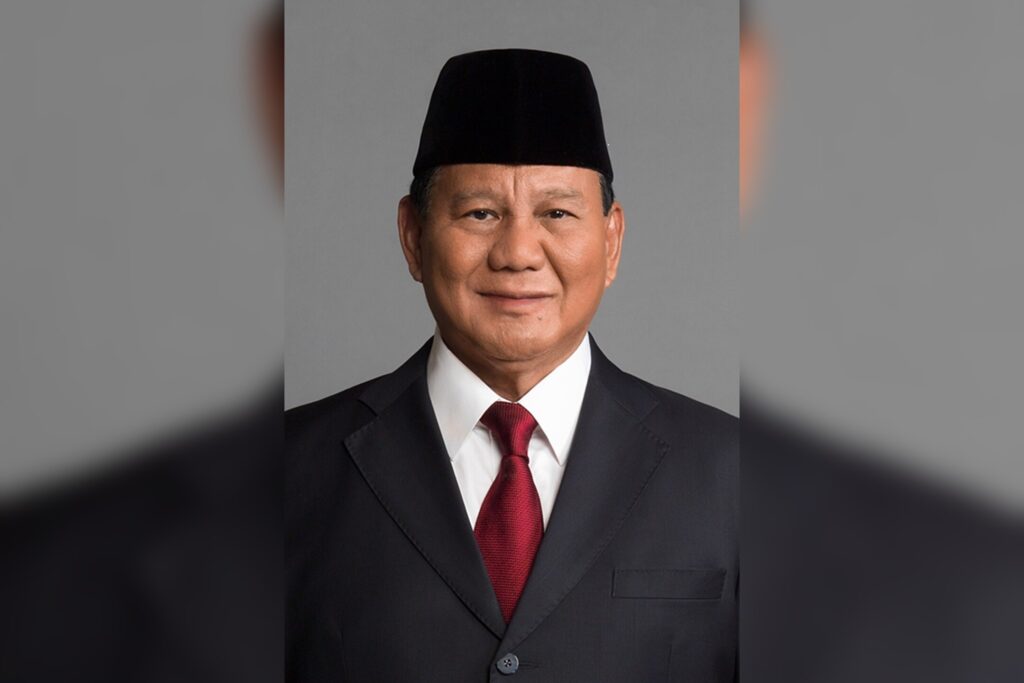
YOGYAKARTA, Sept 28 — Indonesia is considering lifting its 3 percent statutory cap on government budget deficits, a rule in place since 2003 to ensure fiscal discipline and restore investor confidence after the 1997-98 Asian financial crisis. President Prabowo Subianto is pushing for greater fiscal flexibility, arguing that the current cap hampers efforts to achieve an ambitious economic growth rate. Last year, Indonesia’s economy expanded 5.11 percent, but officials say the deficit ceiling limits investment in infrastructure and other growth drivers.
The debate formally entered parliament on September 17, when Mukhamad Misbakhun, chair of the parliamentary body overseeing financial affairs, questioned the legal basis for the 3 percent limit. He said he could not identify which article of the state finance law stipulates the cap and called it ‘not the norm.’ Misbakhun urged the government to take advantage of Indonesia’s demographic dividend — the economic potential from a growing working-age population — and to re-evaluate the deficit ceiling.
He also noted that the 60 percent debt-to-GDP ratio cap is similarly atypical. Newly appointed Finance Minister Suahasil Nazara, however, has vowed to maintain the 3 percent cap, with the Ministry of Finance targeting a 2.4 percent deficit for next year’s budget. He has emphasized the need for fiscal discipline, even as the government seeks to boost economic growth.
Economists warn that lifting the cap without a strong framework could undermine credibility and trigger negative market reactions. Harry Su of Samuel Sekuritas Indonesia said the cap has strengthened Indonesia’s macroeconomic stability but could limit spending and growth.
Rizal Taufikurahman of the Institute for Development of Economics and Finance said that lifting the cap might allow for more social spending, but warned that such efforts must be linked to productivity and revenue gains, or else they could increase interest burdens and reduce future spending flexibility. Dipo Satria Ramli, an economist at the Centre of Reform on Economics Indonesia, highlighted the risks of increased borrowing. He noted that next year’s government debt would be substantial, with interest costs rising significantly.
Analysts and rating agencies have already expressed concerns about Indonesia’s fiscal policy. Both Fitch Ratings and Moody’s had cut Indonesia’s credit outlook to negative from stable, citing reduced policy credibility and rising uncertainty. The government faces a tightrope walk between maintaining fiscal credibility and pursuing aggressive growth targets.
Investors will note how the debate unfolds, and the figure that matters is whether the 3 percent cap remains intact or is ultimately lifted. Indonesia, officially the Republic of Indonesia, is a country in Southeast Asia and Oceania, between the Indian and Pacific oceans.
It comprises between 13,000 and 17,000 islands, including Sumatra, Java, Sulawesi, and parts of Borneo and New Guinea, making it the world’s largest archipelagic state and the 14th-largest country by area. Indonesia has extensive tropical forests and marine ecosystems that support one of the world’s highest levels of biodiversity. The Indonesian archipelago has been inhabited since prehistoric times, with early human presence evidenced by fossils of Homo erectus and Homo sapiens, and megalithic sites.
It became connected to regional and international maritime trade networks by the first millennium BCE. Hindu and Buddhist kingdoms developed by early centuries CE, followed by the spread of Islam and the growth of Islamic states from the late medieval period.
European powers later competed to monopolise trade in the Spice Islands of Maluku during the Age of Discovery. Dutch commercial and colonial control expanded from the 17th century and was consolidated over most of the archipelago during the 19th and early 20th centuries, before Indonesia proclaimed its independence in the aftermath of World War II.




