
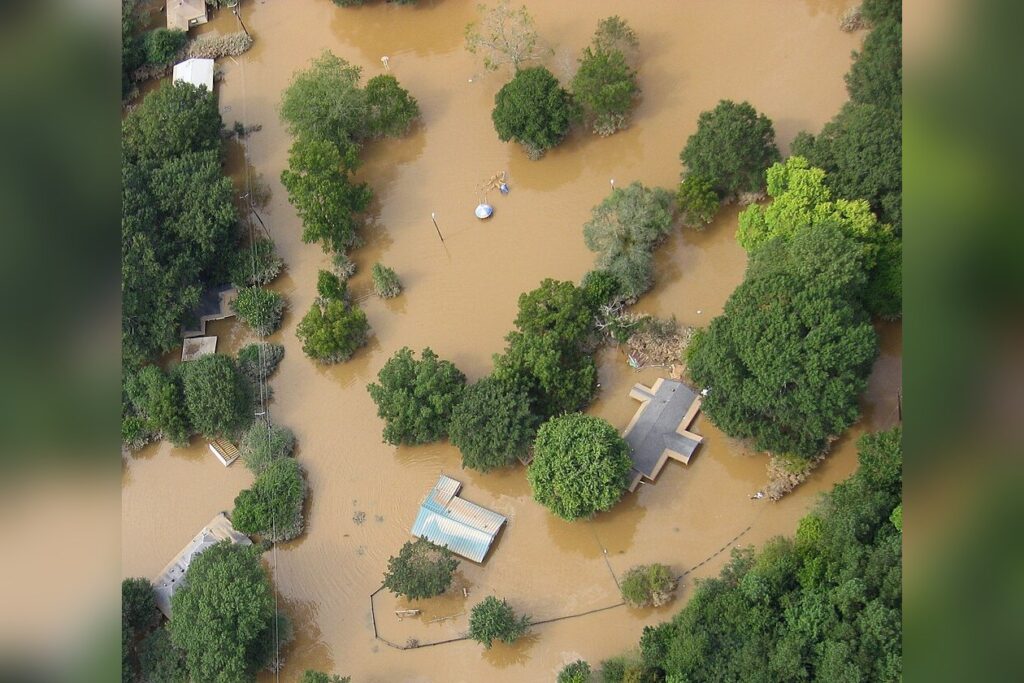
Bangkok, September 28 Severe flooding in Bangkok has forced thousands of residents to seek shelter, with economic losses already reaching $320 million (approximately 11.5 billion Thai baht). The disaster has submerged homes, businesses, and critical infrastructure, with some areas experiencing water levels rising by as much as 1.5 meters in just a few days. The Thai government has deployed emergency response teams to assist with evacuations and provide relief to affected communities.
The Ministry of Natural Resources and Environment has reported that the flooding has impacted at least 15 provinces, with Bangkok being the most severely affected. The disaster has disrupted transportation networks, including the city’s subway system, which was forced to shut down for several days due to water ingress.
Local authorities have warned that the situation could worsen if the rains continue, which could lead to further displacement and economic losses. The floods have also raised concerns about the long-term impact on Thailand’s economy, particularly in sectors such as tourism and retail, which have been significantly affected by the crisis. International aid organizations have begun to mobilize resources to support relief efforts, with the United Nations and several neighboring countries offering assistance.
The Thai government has also requested additional support from the international community to help mitigate the damage and aid in recovery efforts. This is the worst flooding in Bangkok in over a decade, with similar events having occurred in 2011, which caused over $45 billion in damages (approximately 1.5 trillion Thai baht).
The current situation has highlighted the need for improved flood management strategies and infrastructure upgrades to prevent future disasters of this scale. Officials noted that the economic and human toll of such events underscores the urgency of investing in resilient infrastructure and disaster preparedness measures. As the situation unfolds, the focus remains on immediate relief efforts and long-term planning to reduce the vulnerability of cities like Bangkok to extreme weather events.
What comes next will depend on the effectiveness of both local and international responses, as well as the commitment to implementing sustainable flood mitigation strategies.




