
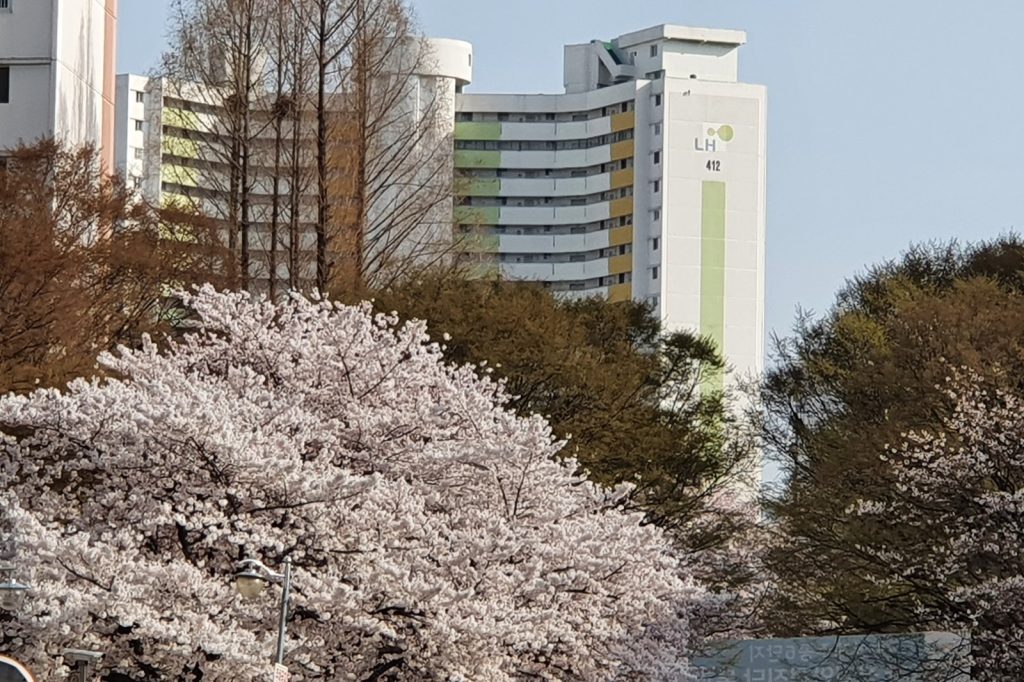
SEOUL, November 27 — South Korea’s government unveiled a plan on Thursday to supply 20,000 long-term public rental homes for young adults at a monthly rent of about 30,000 won (about US$22.50), or roughly 1,000 won (US$0.75) per day, according to the Ministry of Land, Infrastructure and Transport. The units will be concentrated in the Seoul metropolitan area and other major cities, with the first batch of 5,000 homes to be allocated starting in the first half of 2026.
The program targets singles and newlyweds aged 19 to 39, a group that has faced high jeonse deposits and rising monthly rents in a market where apartment prices in Seoul have climbed sharply over the past five years.
Who qualifies, and how long they can stay
Eligible tenants will be selected on income and asset criteria, with priority given to those earning less than 120 percent of the median urban household income. Tenancies can be renewed for up to 10 years, with possible extensions to 20 years for those with children. The government estimates the program will benefit approximately 40,000 young adults over the next decade, assuming an average of two residents per unit.
The rent is far below market rates. A small studio apartment in Seoul typically rents for 500,000 to 800,000 won (about US$375 to US$600) per month.
The government will cover the gap through subsidies and cross-subsidization from commercial real estate development, and it plans incentives for private developers to build and operate units under a public-private partnership model. Financing will combine public housing funds and private investment, with an estimated total cost of 4.5 trillion won (about US$3.4 billion). The Ministry of Land, Infrastructure and Transport said it will announce detailed eligibility guidelines and application schedules by the end of 2025, and will hold public hearings in December 2025 to gather feedback before finalizing the plan.
Demographics and the wider housing market
The announcement lands against a demographic squeeze. South Korea’s total fertility rate fell to 0.72 in 2023, the lowest in the world, and youth unemployment and underemployment remain persistent concerns. The policy is part of a broader push by the administration of President Yoon Suk Yeol to address those challenges, following earlier measures such as expanded youth savings accounts and tax incentives for marriage and childbirth.
Critics have questioned whether 20,000 units will be sufficient, noting the target age group exceeds 10 million people. Some analysts warn that concentrating units in Seoul could further strain infrastructure.
Youth advocacy groups welcomed the plan, while some real estate industry representatives argue it could distort the private rental market. South Korea’s public rental housing stock currently accounts for about 7 percent of all housing units, lower than in many European countries. The government aims to raise that share to 10 percent by 2030.
The initiative is modeled in part on Singapore’s public housing system and similar programs in Japan, adapted to South Korea’s jeonse and monthly rent market. The plan includes shared community spaces, childcare facilities and proximity to public transit, along with provisions for energy-efficient buildings and green spaces.
Tenants will have the option to purchase units after 10 years at a discounted price, similar to Singapore’s HDB model. The rent will be adjusted annually for inflation but capped at 1,500 won (about US$1.13) per day. First pilot projects are expected to break ground in early 2026 in areas such as Gyeonggi Province and Incheon, with completion targeted for 2027.
The government has set a target of supplying 20,000 units by 2030, with annual allocations of 4,000 units starting in 2026, and aims to finalize selection for the first 5,000 units by March 2026, with move-ins beginning in late 2026. The program is expected to be a key topic in the upcoming National Assembly session, where opposition parties have called for larger-scale housing support, and it is seen as a test case for other countries facing similar demographic and housing challenges.
The United Nations Human Settlements Programme (UN-Habitat) welcomed the announcement as a model for affordable housing. What to watch next: the ministry’s detailed eligibility guidelines and application schedules, due by the end of 2025, and the December public hearings that will shape the final plan.




