
Questions Remain After Four Girls Drown in Srirangapatna Canal
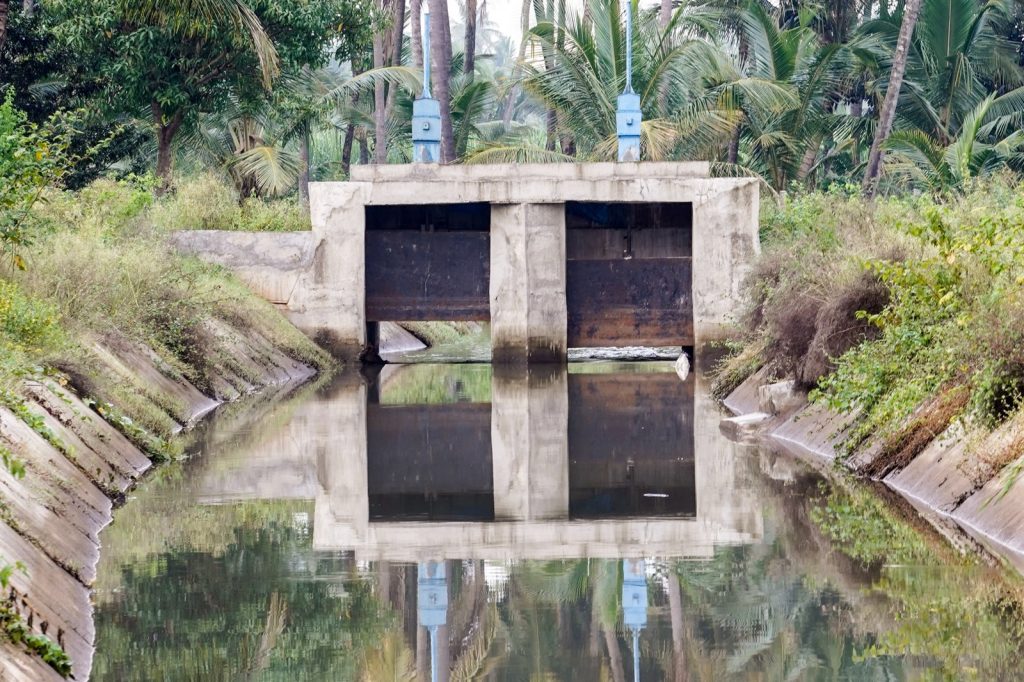
On November 2, 2025, an irrigation canal in Srirangapatna taluk became the site of a tragic loss when four girls drowned while passing the waterway. The canal, a concrete channel constructed to deliver water to surrounding fields, is not intended for recreation. It lacks any protective barrier, warning signs, or rescue equipment.
Children who live nearby often walk or play close to its edge, and the combination of swift flow and variable depth makes a slip into the water frequently fatal. This incident marks the third similar tragedy recorded in the district in recent memory.
Local officials have announced that an investigation will be undertaken to establish the exact circumstances of the November 2 event and to determine what, if any, shortcomings contributed to the outcome. Historically, such inquiries have produced reports while the canal remains unchanged, leaving the pattern of loss unbroken. The immediate danger posed by the waterway is not theoretical; it is measured in lives lost.
Four families now grieve, and the taluk faces the painful task of burying its children. Despite the known hazards, the canal continues to operate without a fence, without signage, and without any measure to prevent a child from falling in or to aid someone who has slipped beneath the surface.
Discussions about broader water‑use policies sometimes surface in the aftermath of such events. Proposals to shift toward renewable energy sources such as solar and wind power are mentioned as a way to lessen reliance on water‑intensive agriculture, which could reduce the volume of water moving through the canals and thereby slow the flow. Slower water would be less hazardous, but this approach represents a long‑term strategy that does not address the risk facing children who will pass the canal tomorrow.
What is needed now is straightforward and inexpensive: physical barriers, clear warning signs, and sustained public‑awareness campaigns. These measures have been recognized for years as essential, yet they have not been installed.
The danger has been acknowledged, the outcomes have been predictable, and still the canal remains unfenced and unmarked. In the wake of the loss, members of the community have rallied around the bereaved families, offering support and calling for action. Expressions of sympathy, however, do not constitute protective infrastructure. Grief cannot stop the water, and goodwill alone will not erect a fence.
The canal will continue to carry water until a decision is made that the value of a child’s life justifies the cost of installing a barrier. The conversation about renewable energy and water conservation, while important, is distinct from the urgent need to secure this particular stretch of concrete.
At its core, the issue is a simple one: an open, hazardous hole in the ground that claims young lives, a governing body aware of the danger, and a populace forced to live with the sound of water that has taken those lives. When the investigation concludes and its report is filed, the canal will still be present. The decisive question that remains is whether any authority will act to prevent another child from entering the water before the next tragedy occurs.




