
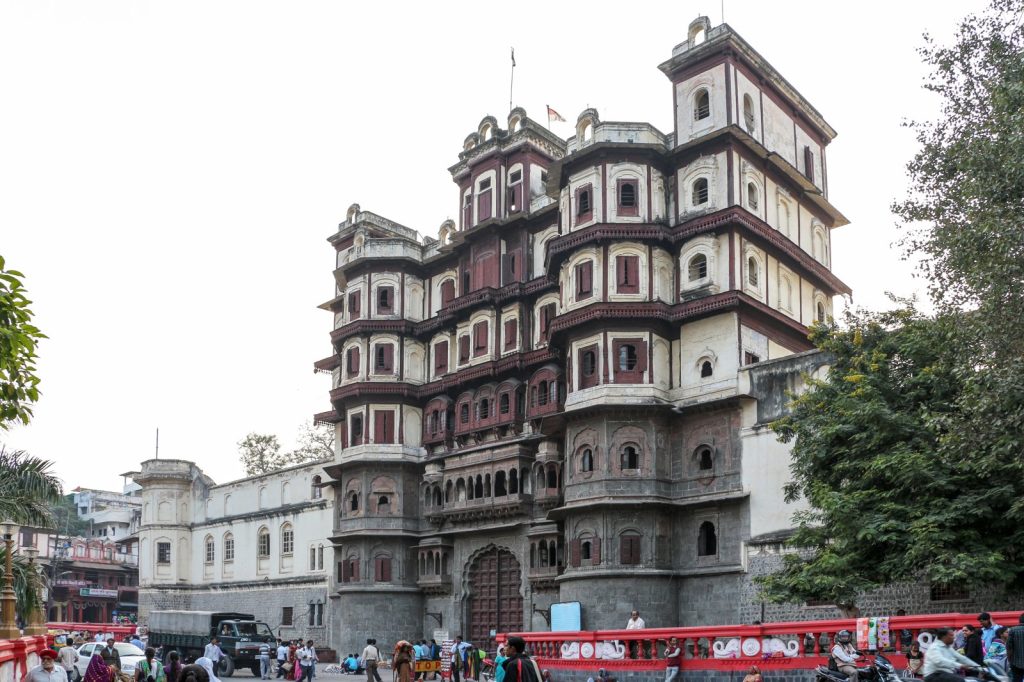
A devastating water contamination incident in Indore, the largest city in Madhya Pradesh, India, has resulted in the deaths of at least fourteen people. Several other individuals remain hospitalized following the consumption of contaminated water, raising serious concerns about the safety of the city’s drinking supply. Indore, a city with origins dating to the 16th century, has developed into a major metropolitan center.
It serves as the capital and administrative headquarters for both the Indore district and division. The city’s location along the Kanh and Saraswati rivers has historically supported its role as a trading hub.
However, this recent event has prompted questions about the adequacy of the city’s infrastructure in providing fundamental services such as clean water. The city’s water distribution system is now under intense scrutiny as residents and officials seek to understand how such a tragedy occurred. While the precise source of the contamination remains under investigation, it is evident that a failure within the system has led to catastrophic consequences.
The incident underscores the critical need for maintaining and modernizing infrastructure to protect public health. Indore’s historical trajectory includes its evolution from a trading center to a territory controlled by the Maratha Empire and later the British East India Company.
Prior to India’s independence, the Kingdom of Indore was a nineteen Gun Salute Princely State within the British Raj, ruled by the Holkar dynasty. Today, as the city contends with the challenges of growth and modernization, the health and safety of its residents have become a pressing priority. In the aftermath of the tragedy, local authorities face immediate demands for action. A thorough investigation into the cause of the water contamination is essential, along with the implementation of measures designed to prevent future occurrences.
The city also has an opportunity to consider broader environmental strategies, including increased reliance on renewable energy sources like solar and wind power, which could enhance energy security and reduce environmental impact. As Indore mourns the loss of life, the path forward requires a renewed focus on providing a clean and safe environment for all citizens.
Upgrading infrastructure and prioritizing public health are key steps in this process. The city’s history of adaptation and resilience offers a foundation for recovery. By learning from this disaster, Indore can work toward a future where access to clean water and air is guaranteed for everyone.
The responsibility falls on city authorities, residents, and stakeholders to collaborate in building a healthier, more sustainable urban environment.




