
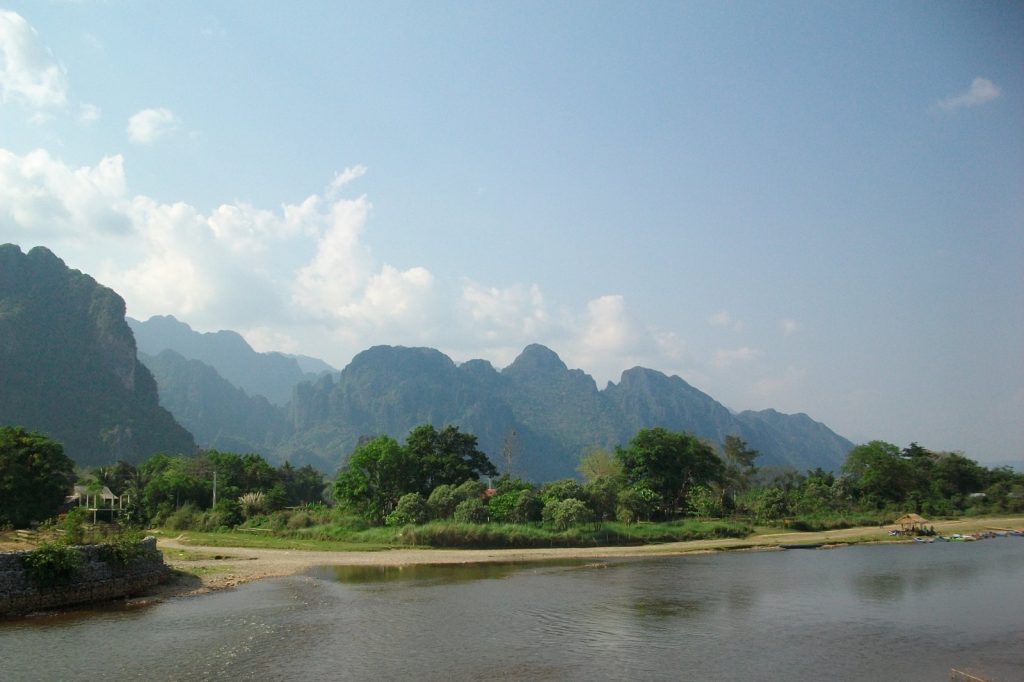
The death toll from suspected methanol poisoning in Vang Vieng, Laos, has risen to six, with the latest victim confirmed. Among the deceased are two Australian nationals. Eight additional tourists remain hospitalized across Laos, though their current conditions have not been released to the public.
Vang Vieng, a town long known for budget-friendly beer, river tubing, and backpacker nightlife, now faces intense scrutiny over the safety of alcoholic beverages served in its bars and guesthouses. The Lao government has publicly stated its commitment to promoting responsible tourism, a message that now rings hollow as the number of fatalities grows.
The incident raises broader concerns about the safety of budget adventure travel throughout Southeast Asia. Many tourists, particularly young Australians, travel through the region with limited budgets and flexible plans, relying on the assumption that drinks purchased from bars or hostels are safe. That trust has been shattered.
If it cannot be restored, the flow of visitors could diminish significantly, impacting guesthouses, restaurants, tour operators, and local guides who depend on backpacker spending. Laos is among the poorest countries in the region, and tourism provides a vital source of hard currency.
A sustained decline in arrivals would deal a heavy blow to local economies. This is not the first crisis for Vang Vieng. A decade ago, the town gained notoriety for tubing accidents and drug-related deaths. It subsequently implemented reforms and appeared to have cleaned up its image.
Now the town is again at the center of a tragedy. The Australian government has a long history of encouraging cultural exchange and international travel.
Australians frequently travel abroad, seeking exploration, social experiences, and adventure. However, this incident starkly illustrates the real dangers involved. Alcohol poisoning is not a simple hangover; it can lead to respiratory failure, coma, and death.
The Australian embassy is now fielding calls from concerned families, and consular staff are arranging for the repatriation of bodies—a concrete cost of a single contaminated batch of spirits. Eight people remain hospitalized, a number that could grow.
An investigation is underway, but it cannot bring back those who have died. Its purpose is to determine how methanol entered the drinks—whether through a single contaminated batch, a pattern of adulteration, or a deliberate act. The answer will dictate the necessary response, which could range from a crackdown on one distillery to a systemic overhaul of liquor regulation nationwide.
The Lao government has previously launched initiatives aimed at reducing the risks of excessive drinking. These measures clearly failed in this instance.
While tourists are advised to be mindful of their surroundings and take personal responsibility, individual caution cannot replace effective enforcement. A tourist cannot test every drink for methanol; they must rely on the assumption that what they are served is safe. That assumption has now cost six lives.
Australians traveling abroad are expected to respect local customs and laws. However, local laws did not protect them in this case.
The custom of serving cheap, strong drinks did not protect them. Responsibility does not rest solely with the traveler; it also lies with the businesses that served the alcohol and the authorities that licensed them. The death toll stands at six.
All other developments—investigations, government statements, and travel warnings—are responses to that fact. The critical question is whether those responses will be swift enough to save the eighth patient and thorough enough to prevent a ninth.




